
Last updated October 31, 2026
 Home additions & ADU
 Kitchen remodeling
 Bathroom remodeling
 Roofing
 Windows & doors
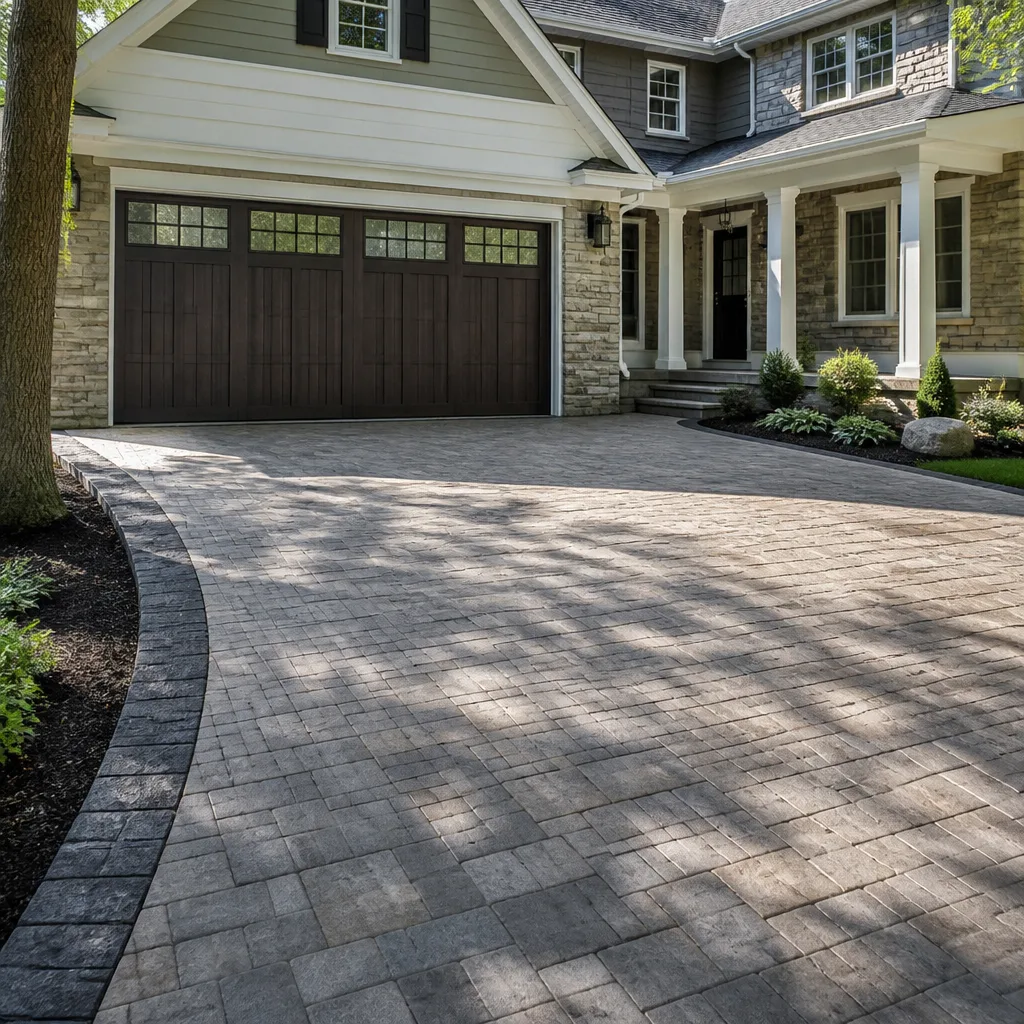 Driveway & pavers
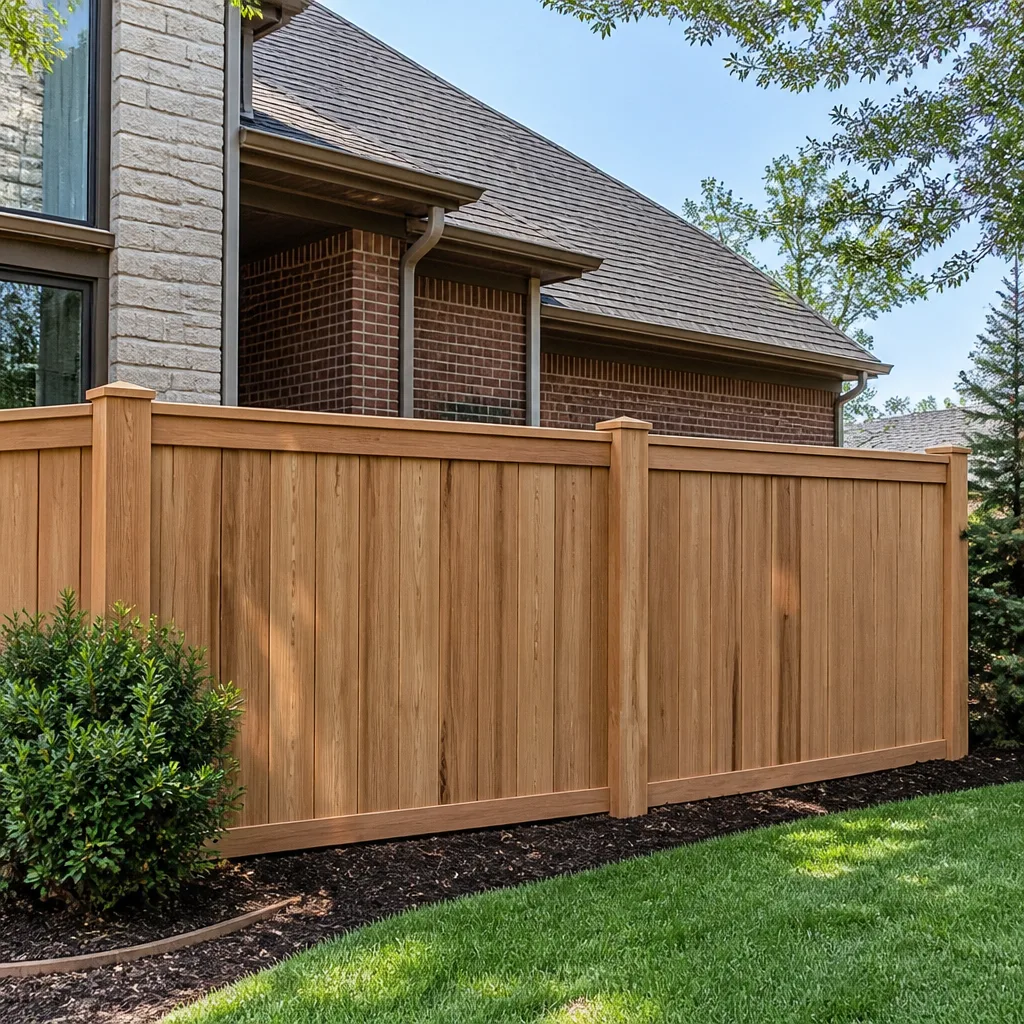 Fence
Free written scope consultation - allowances, timeline, and change-order rules on paper before a single trade is scheduled
DIY vs Professional Construction: The Foster City Homeowner’s Decision Guide
A Foster City homeowner who installs their own recessed lights without a permit isn’t just risking an inspection. They’re creating a disclosure liability that can delay or derail a home sale, because San Mateo County title searches flag unpermitted electrical work and buyers’ inspectors are trained to find it. This guide draws the line where Foster City’s building codes, HOA covenants, and insurance policies actually draw it. Some projects genuinely belong to the homeowner. Others carry liability and code risk that make DIY the more expensive choice in the long run. By the end, you’ll know exactly which is which, and why the smartest path is often a hybrid where you handle what you legally can and a licensed contractor handles what you legally must. For more on this approach, see our How to Hire a Construction Contractor in Foster City: A Step-by-Step Guide.
Styles & brands we work with
Quick Answer
DIY makes sense in Foster City for cosmetic interior work that doesn’t touch structure, electrical, plumbing, or load-bearing walls: painting, cabinet hardware, fixture swaps under existing rough-in, and landscaping within grade. Professional construction is legally required or strongly advisable for anything that triggers a permit, touches the exterior envelope, alters structure, or requires HOA design review: window and door replacement, roofing, siding, electrical panel work, load-bearing wall removal, and any addition or ADU. The decision isn’t about skill level in Foster City. It’s about permit exposure, disclosure liability, and whether your homeowner’s insurance will still cover the house after you’re done.
Table of Contents
- What Actually Triggers a Permit in Foster City
- Owner-Builder vs. Licensed Contractor: What California Law Says
- HOA Design Review: The Layer Most Guides Skip
- The DIY-Safe List: Work That Actually Saves You Money
- The Hidden Cost of DIY on Structural and Envelope Work
- The Hybrid Model: Split the Work Without Splitting Liability
- Why Material Selection Favors Professional Access
- Common Mistakes to Avoid
- When to Call a Professional
- Frequently Asked Questions
- The Bottom Line
What Actually Triggers a Permit in Foster City
Foster City enforces the California Building Code with local amendments. The city’s building division issues permits for work that affects structure, life safety, energy compliance, or the building envelope. If your project touches any of these systems, you’re entering permit territory. There’s no gray area. The code is specific about what counts.
Here’s the permit trigger list most relevant to Foster City homeowners. If your project appears here, it needs a permit and a licensed professional unless you qualify as an owner-builder under the narrow exception we cover below.
- Structural alterations: removing a wall, cutting into a ceiling joist, adding a beam, or any framing modification.
- Electrical beyond like-for-like replacement: new circuits, panel upgrades, recessed lighting additions, and any wire run longer than a few feet of extension from an existing box.
- Plumbing beyond fixture replacement: moving a drain line, adding a bathroom, relocating a water heater, or changing gas line routing.
- Mechanical work: HVAC unit replacement that changes capacity, ductwork modification, or ventilation changes.
- Exterior envelope work: window replacement that changes rough opening size, door replacement that alters framing, siding replacement, roof replacement, and any exterior wall penetration larger than a small vent.
- Any addition or accessory structure over 120 square feet: this includes attached decks, sun porches, ADUs, and detached structures with electrical or plumbing.
The rule we apply at Ashford Contractors is simple: if our work changes how the house carries weight, breathes, or conducts electricity, it’s a permitted job. We’ve seen homeowners in Foster City treat permit triggers as optional. The code doesn’t treat them that way, and neither does the buyer’s inspector who finds the work later.
One nuance worth understanding: Foster City, like most Bay Area municipalities, uses the permit history on file when you sell. If you do unpermitted work and the city catches it before you list, you’ll pay the permit fee plus a penalty of up to double the standard fee. If the buyer’s inspector catches it, you’ll negotiate from a position of weakness and usually pay for corrections at closing.
Owner-Builder vs. Licensed Contractor: What California Law Says
California allows homeowners to act as owner-builders on their own primary residence. This legal right lets you pull permits in your own name and perform work yourself. The key word is primary residence. If you own a rental property or a second home in Foster City, the owner-builder exception doesn’t apply, and you must use a licensed contractor for any permitted work.
Owner-builder status in Foster City and throughout San Mateo County comes with conditions. You sign a declaration stating you’ll occupy the home for at least 12 months after the work is complete. You assume full liability for code compliance, inspections, and any failures. And if you ever sell within that 12-month window, you’re required to disclose the owner-builder work, which complicates the sale transaction.
The practical question for most Foster City homeowners isn’t whether owner-builder status exists. It’s whether you want to carry it. In our experience, owner-builder makes real sense only for projects with no structural or envelope component: a bathroom refresh that keeps all rough-in in place, a kitchen facelift with no wall changes, flooring replacement, or interior painting. The moment framing, electrical circuits, or plumbing drains move, the owner-builder path loads you with the coordination burden of scheduling inspections, correcting red tags, and interpreting code amendments. That’s where a licensed general contractor earns the fee.
We’ve worked with Foster City homeowners who pulled owner-builder permits and then called us halfway through when the project entangled electrical service upgrades or shear wall requirements. It’s almost always more expensive to transfer a half-permitted project to a contractor than to scope it correctly from day one.
For a deeper look at how a General Contractor in Foster City handles the permit and inspection process, see our full service overview.
HOA Design Review: The Layer Most Guides Skip
Foster City has one of the most active HOA landscapes in San Mateo County. Most of the city’s single-family homes fall under a community association with architectural design review authority. This is the layer that catches homeowners off guard, because HOA design review operates independently from city permits. Your project might be building-code exempt and still require HOA approval before you lift a tool.
Foster City HOAs commonly require design review for:
- Exterior paint color changes: even if the city doesn’t care, your HOA’s paint palette does. Most associations maintain approved color lists and require board approval before painting.
- Front door replacement: a door swap might not need a city permit if the rough opening stays the same, but most Foster City HOAs require design review for front-facing doors. Material, color, and hardware finish all matter. We’ve seen homeowners install a Therma-Tru fiberglass door, a genuinely excellent product, only to have the HOA require repainting because the color wasn’t in the approval book.
- Window replacement: this one surprises people. Swapping windows doesn’t necessarily trigger a city permit if the rough openings are unchanged, but Foster City HOAs typically require design review for any visible window change. Frame material, grid pattern, and glass tint are standard review points.
- Roofing material and color: the city requires a permit for roof replacement regardless, but the HOA layer adds its own restriction. Some Foster City associations restrict roofing material types, asphalt shingle colors, or even whether a standing seam metal roof is allowed on a street-facing plane.
- Fencing and hardscape: front-facing or street-visible fence changes, driveway paver choices, and walkway materials often need HOA sign-off even when no city permit is required.
Our team at Ashford Contractors has navigated Foster City HOA design review enough times to know the standard process: submit the application with product specs, material samples, and proposed colors, wait for the next board meeting or architectural committee review, respond to any conditions, and only then schedule the work. It adds time. Skipping it is worse, because the HOA can require you to undo completed work at your own expense.
If you’re planning a Home Remodeling in Foster City that touches any exterior surface, factor HOA review into your timeline from the start.
The DIY-Safe List: Work That Actually Saves You Money
There’s a real, meaningful category of work in Foster City where DIY makes financial sense. These projects don’t require permits, don’t touch the HOA design review layer, don’t affect insurance, and don’t create disclosure problems. They’re also jobs where labor cost is the dominant expense and material cost is relatively low.
Here’s the DIY-safe list we recommend to Foster City homeowners:
- Interior painting: no permit, no HOA involvement, no structural risk. Proper taping, patching, and surface prep are skills that improve quickly with practice. The material cost for a quality interior repaint typically runs $800 to $1,400 in Foster City for a 2,000-square-foot home, and professional labor would add $4,000 to $7,000 on top of that.
- Cabinet hardware replacement: swapping knobs and pulls requires a screwdriver, a template or measuring tape, and maybe an afternoon. This is pure cosmetic work with zero code implications.
- Fixture swaps under existing rough-in: replacing a faucet, a light fixture, or a ceiling fan that connects to an existing box is generally owner-friendly. The key phrase is existing rough-in. If you’re not moving wires, drains, or supply lines, you’re not doing permitted work. If you move any of those, you’re in permit territory.
- Landscaping within grade: planting, mulching, flower bed creation, sod replacement, and drip irrigation that doesn’t permanently alter drainage patterns. Foster City’s flat, lagoon-side topography means drainage changes can have real consequences, so keep grading intact.
- Caulking and exterior sealant maintenance: refreshing caulk around windows, doors, and trim is homeowner-level work that genuinely extends envelope life. This doesn’t require a permit and doesn’t typically trigger HOA review if you match existing colors.
- Weather stripping and door sweep replacement: on existing doors, this is purely mechanical and fully reversible. It improves energy performance and costs almost nothing.
The pattern here is clear: DIY-safe work is cosmetic, reversible, and bolt-on. It doesn’t alter structure, envelope, or systems. It doesn’t change what the house is. It only changes how the house looks or how tightly it seals. That’s the homeowner’s territory, and it’s real savings.
The Hidden Cost of DIY on Structural and Envelope Work
When you DIY structural or envelope work in Foster City, the true cost shows up in places the initial project quote doesn’t cover. We’ve seen these costs materialize repeatedly across neighborhoods from the waterfront lagoons to the inland tracts. Here’s what actually happens.
Insurance coverage gaps. Homeowner’s insurance policies in California generally exclude damage caused by the homeowner’s own construction work. If you remove a load-bearing wall without proper engineering, and that wall eventually causes cracking, differential settlement, or a partial ceiling failure, your insurer can deny the claim based on defective self-performed work. The same applies to roof work, window flashing, and any envelope penetration. A licensed contractor’s work, by contrast, is covered under their liability policy and their workmanship warranty.
Material warranty voiding. Roofing manufacturers like GAF and Owens Corning condition their extended warranties on installation by a certified, licensed contractor. If you install your own roof or hire an unlicensed crew, you get the base material warranty only, which covers defective shingles but not labor, and not the failure modes that actually matter: leaks at flashing, valleys, and penetrations. The same pattern applies to window brands: Therma-Tru door warranties are only honored when installed by a certified professional per manufacturer spec. We source these products specifically because the manufacturer’s warranty is only as good as the installation behind it.
Correction cost when a licensed contractor has to redo unpermitted work. This is the line item most homeowners never budget for. When unpermitted work is discovered, either by a city inspection triggered by a neighbor complaint or by a buyer’s inspector during escrow, the owner must bring it into compliance. Compliance usually means exposing the work, having it inspected, correcting any deficiencies, and re-closing. That cost routinely runs double or triple what the original permitted work would have cost. We’ve corrected unpermitted electrical additions in Foster City homes where the wire runs had to be opened, replaced, and re-inspected because the original work didn’t meet minimum conductor sizing for the load.
Disclosure liability on resale. California’s real estate disclosure requirements are the strictest in the nation. Sellers must disclose all known material facts about the property, including unpermitted work. An undisclosed unpermitted addition or electrical modification is a lawsuit waiting to happen. Buyers’ inspectors in San Mateo County are trained to look for clues: new framing that doesn’t match permit records, panel labels that don’t correspond to actual circuits, and fresh drywall that hides recent work. When the inspector finds it, the seller either pays for correction or accepts a price reduction.
The Hybrid Model: Split the Work Without Splitting Liability
Here’s what most Foster City homeowners actually need: a structure where they handle the finish-level work they enjoy and a licensed contractor handles the permitted structural and envelope work they’re legally responsible for. This isn’t a compromise. It’s the most financially rational way to run a renovation, and it’s a model we support and actively help clients structure.
The clean split looks like this.
- Licensed contractor handles: any work requiring a permit, any work touching structure or envelope, any work affecting electrical or plumbing systems, all HOA design review submissions, and all material procurement for structural components.
- Homeowner handles: demolition of cosmetic surfaces, finish selections, painting, cabinet hardware, light fixture swaps under existing rough-in, and final cleanup. Some clients want to handle more; some want to handle less. The line is always drawn at permits and envelopes.
A well-structured hybrid saves money without creating liability. The homeowner’s labor hours remove cost from the quote. The contractor’s permit work removes risk from the homeowner. The key is that the hybrid split is agreed upon before the project starts, written into the scope of work, and reflected in the pricing. No ambiguity means no disputes later.
We’ve structured this hybrid with Foster City homeowners on kitchen remodels, bathroom refreshes, and whole-home envelope replacements. The savings typically range from 10% to 20% of the labor budget, depending on how much finish work the homeowner takes on. That’s real money, but it doesn’t come at the cost of permits, inspections, or manufacturer warranties.
For the full picture on how a Home Renovation in Foster City can be scoped as a hybrid, see our renovation guide.
Why Material Selection Favors Professional Access
There’s a quiet advantage to working with a professional contractor that most DIY-versus-pro conversations miss entirely: material access and pricing. The brands a contractor can source, and the price they source them at, are materially different from what a homeowner gets at retail. This is not a margin strategy. It’s a supply chain reality.
Take exterior doors. A Therma-Tru fiberglass entry door is a genuinely excellent product, and we’ve installed them across Foster City. But the retail channel that a homeowner sees at a big-box store is a different product tier than what we order through our trade account. The core slab is similar, but the frame options, hardware integration, and factory finishing available to a contractor aren’t available to a walk-in buyer. The same applies to window brands. ViewLux windows, for example, perform significantly better when installed by crews trained on the brand’s flashing and thermal break details. The window is only as good as its installation, and installation quality is a training problem, not a product problem.
On the roofing side, our relationship with manufacturers like GAF and Owens Corning means we can offer genuine material choice at multiple price points. A homeowner pricing shingles at retail sees one or two lines. We can quote across the spectrum and match the roof to the home’s architecture and the owner’s timeline for resale. That’s the difference between buying a product and buying a system.
Hardscape is where this is most visible. Belgard, Unilock, and Techo-Bloc pavers are professional-channel products. The premium segments of those lines are not available for retail purchase. A homeowner can buy a similar-looking paver at a landscape supply yard, but not the same product, and not with the same jointing system or warranty. The distinction matters on Foster City’s flat, low-lying lots where drainage and base preparation determine whether a paver patio lasts ten years or twenty-five.
The brand roster isn’t a marketing point. It’s the mechanism that determines how your project’s materials perform over time. We work with 50-plus manufacturers across cabinetry, countertops, roofing, windows, doors, siding, fencing, and hardscape specifically so every material is selected for the job, not for the shelf.
Common Mistakes to Avoid
- Assuming “small electrical change” means no permit. In Foster City, adding a single recessed light fixture with a new switch leg requires a permit. California’s electrical code amendments are specific. “Small” doesn’t mean “unpermitted.”
- Ignoring the HOA layer entirely. The city doesn’t care about your front door color, but your association does. We’ve seen Foster City homeowners repaint or re-replace doors and windows because the HOA approval step was skipped. The cost to redo completed work is always higher than the cost to wait.
- Conflating owner-builder rights with rental property freedom. The owner-builder exception is limited to your primary residence. If you try to pull owner-builder permits for a rental property in Foster City, the city will reject the application. If you do the work without permits, the exposure is worse.
- Buying materials first and assuming the project will fit around them. Material-first planning creates problems: a door slab that doesn’t fit the rough opening, a window with the wrong glass package for Foster City’s Title 24 energy requirements, a paver that doesn’t meet the HOA’s approved material list. Scope first, materials second.
- Underestimating the disclosure burden. California sellers must disclose unpermitted work. The cost of bringing that work into compliance at sale time is heavier than the upfront permit cost would have been. We’ve watched escrow deals stretch by weeks over permit retroactive filings.
- Doing roof work yourself. Foster City’s wind exposure, especially for homes near the bay edge, creates real lifting and fastening challenges. A roof that looks fine from the ground can be a cascade of flashing errors waiting for the first winter storm. Roof manufacturers condition their warranties on certified installation, and insurers ask who installed the roof when claims are filed.
When to Call a Professional
Call a licensed contractor when the work touches structure, envelope, electrical, plumbing, or HOA design review. Call when the project involves any product whose warranty depends on certified installation: roofing, windows, doors, and siding. Call when you’re planning work that will be visible to a buyer’s inspector at resale. Call when the project spans multiple systems and synchronization matters: a kitchen remodel that moves plumbing, electrical, and a wall is three trades that need one schedule. Ashford Contractors offers free estimates in Foster City, and we’re glad to walk the project with you before you commit to anything. For ongoing maintenance after your project, see our General Contractor Maintenance Checklist for Foster City Homeowners. Call (877) 752-3868 to schedule yours.
Frequently Asked Questions
General contractor fees in Foster City typically run 10% to 20% of total project cost depending on scope, project duration, and whether the contractor is managing multiple trades or performing work directly. A full-scope remodel that touches structure, envelope, and finishes will carry a different fee structure than a single-trade project. Honest bids are itemized, and word of mouth matters more than any advertised rate. Call (877) 752-3868 for a free, line-item estimate.
Yes, if the property is your primary residence and the project qualifies for the owner-builder exception under California law. That exception requires you to occupy the home for 12 months after completion and to sign a declaration accepting full liability for code compliance. Rental properties and second homes do not qualify. The question isn’t whether the law allows it but whether the liability is worth the savings on any project touching structure or systems.
Yes. Most Foster City single-family homes fall under an HOA with architectural design review authority, and exterior paint color is the most common approval item. Even if the building code is silent, the association’s covenants and restrictions are enforceable. Painting without approval can result in a notice to repaint at your expense. Check your association’s approved palette before choosing a color.
The biggest cost difference isn’t the visible finish work. It’s the hidden work: moving plumbing supply and drain lines, adding electrical circuits, modifying structure for an open floor plan, and bringing the existing conditions up to current code. A homeowner can save 10% to 20% of labor cost by handling demolition, painting, and fixture swaps. A licensed contractor buys you permit compliance, coordinated scheduling across trades, and material warranties that survive resale.
Typically no. Most California homeowner’s insurance policies exclude damage caused by the homeowner’s own construction or remodeling work. If self-performed structural or envelope work fails and causes damage, the insurer can deny the claim on the basis of defective workmanship. Licensed contractors carry liability insurance and workmanship warranties that cover the work they perform. That insurance difference is a real financial consideration, not a technicality.
For a single window replacement where the rough opening is unchanged, the project may not trigger a city permit, but it will likely trigger HOA design review if the window is street-visible. A contractor who installs ViewLux or another quality window brand under those conditions ensures the flashing is correct, the thermal break is intact, and the manufacturer’s warranty stays valid. The install fee on a single window is modest compared to the cost of repairing a flashing error that leaks into the wall cavity.
The Bottom Line
DIY and professional construction in Foster City aren’t competing philosophies. They’re different tools for different jobs. The homeowner who handles interior painting, cabinet hardware, and fixture swaps under existing rough-in saves real money. The homeowner who tries to handle structural or envelope work to save on contractor fees creates a liability that follows the house into the next sale. The smart approach is the hybrid: hire a licensed contractor for everything that requires a permit or touches the envelope, and keep the cosmetic work for yourself. It’s the approach we recommend most often, because it saves money without cutting corners on the parts of the house that actually keep you safe and dry. For an honest read on your specific project, call Ashford Contractors at (877) 752-3868. Browse more guides & resources for Foster City homeowners. We’ll tell you what’s worth doing yourself and what isn’t.
Written by the team at Ashford Contractors, serving Foster City since 2013.
See the difference
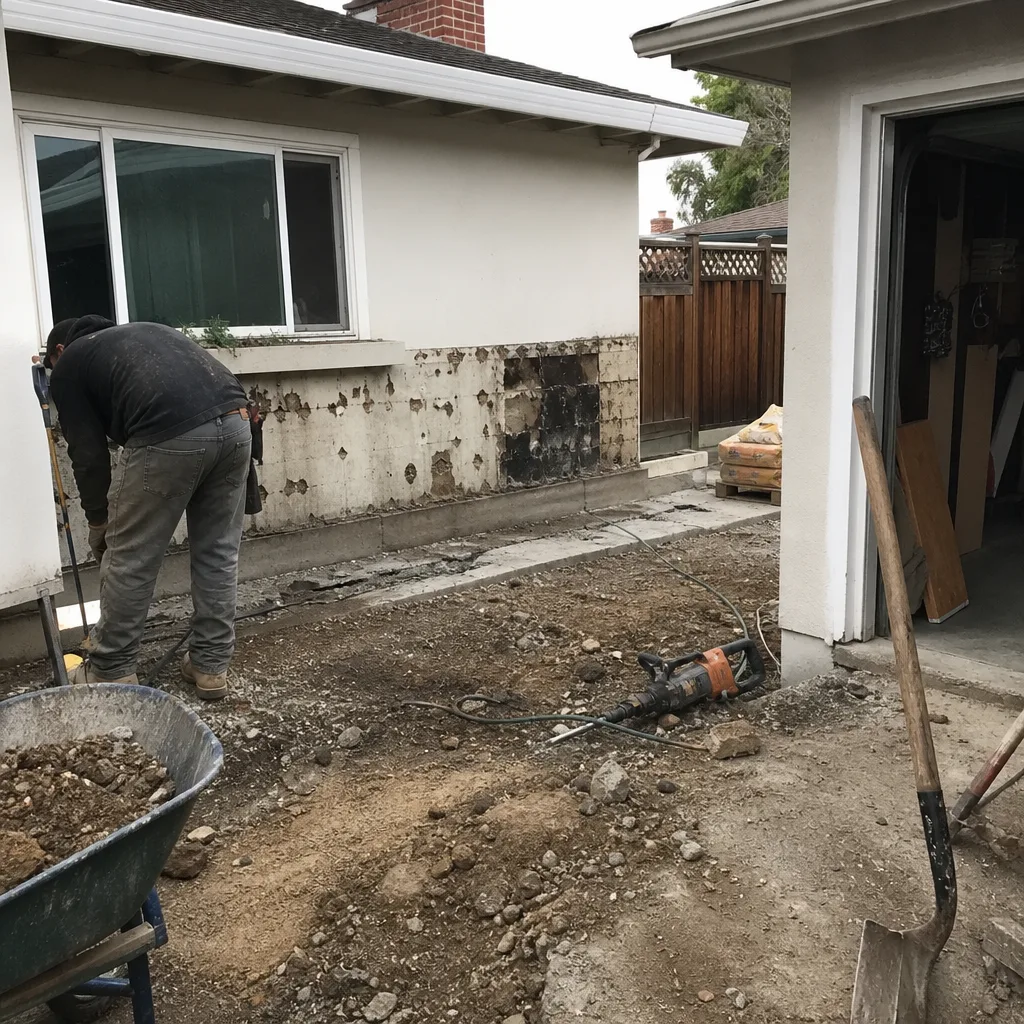 Before
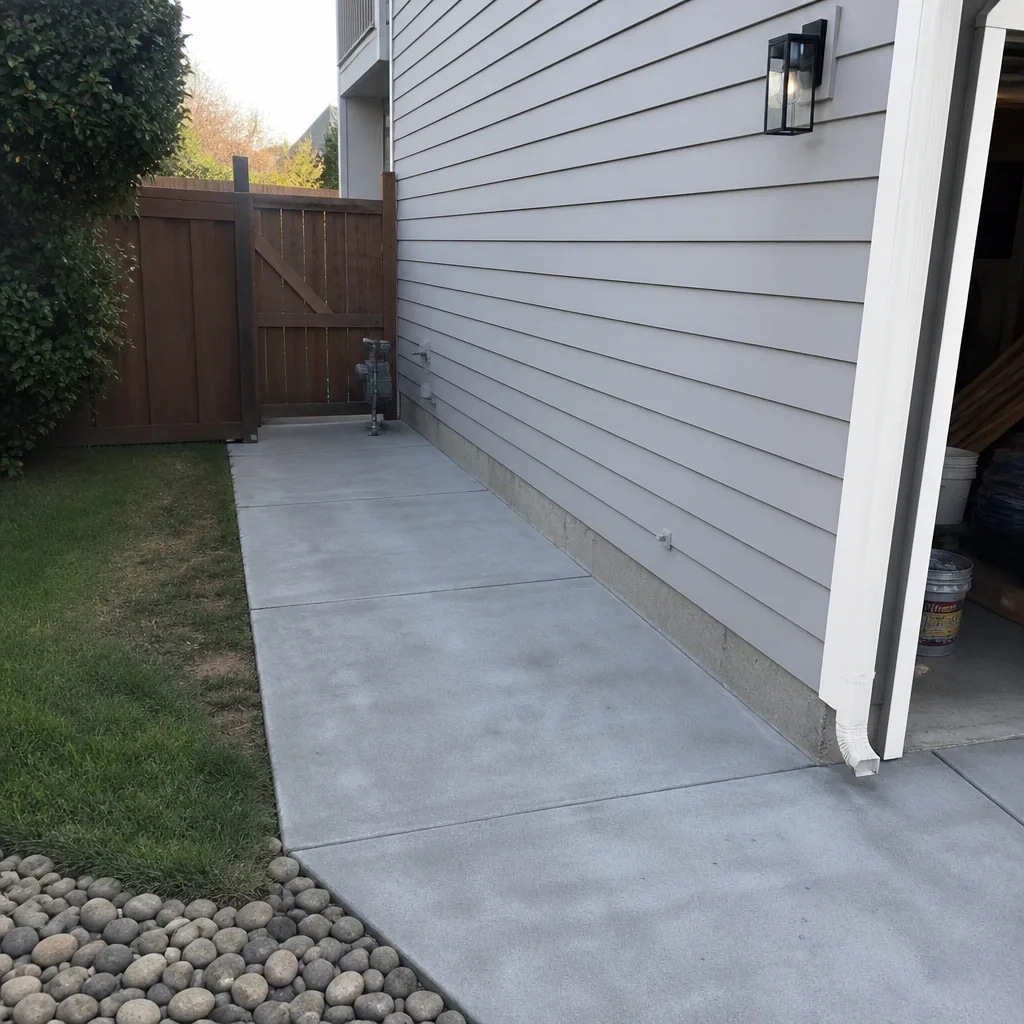 After
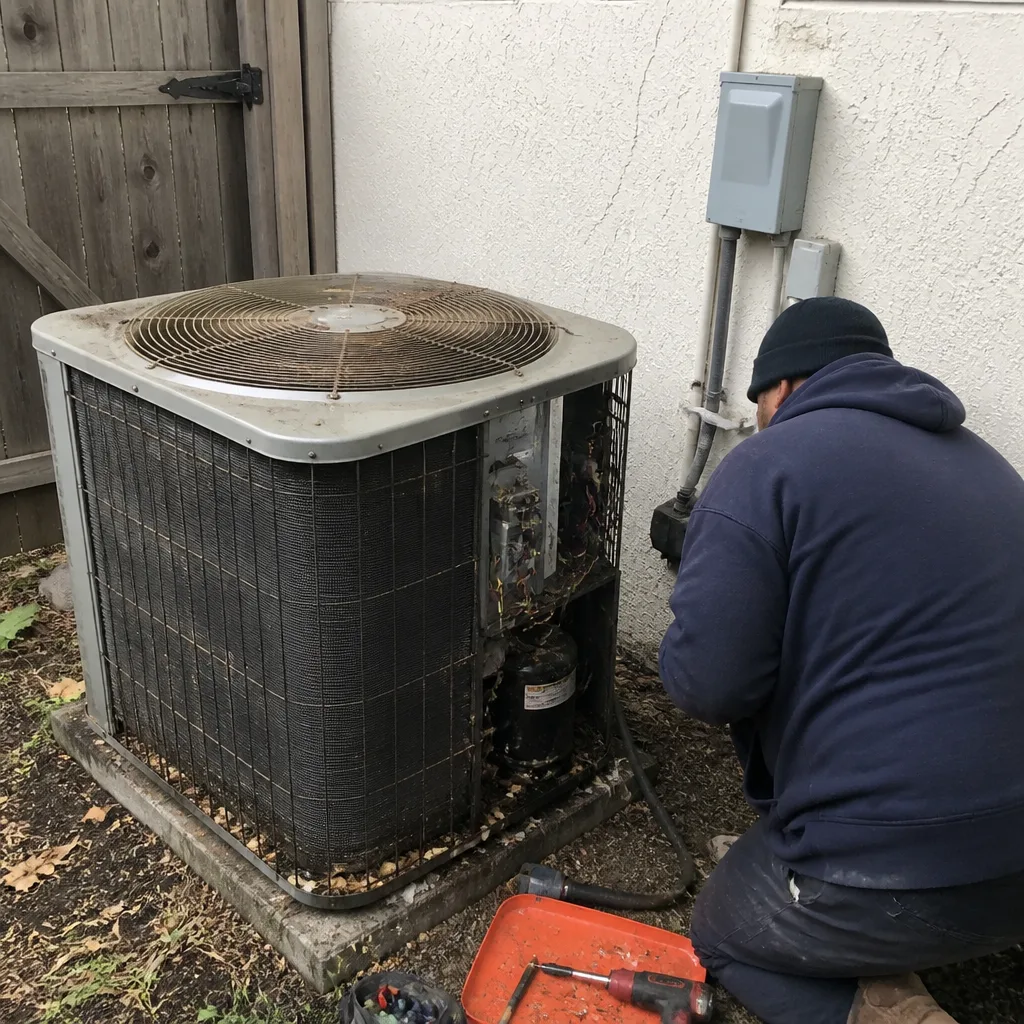 Before
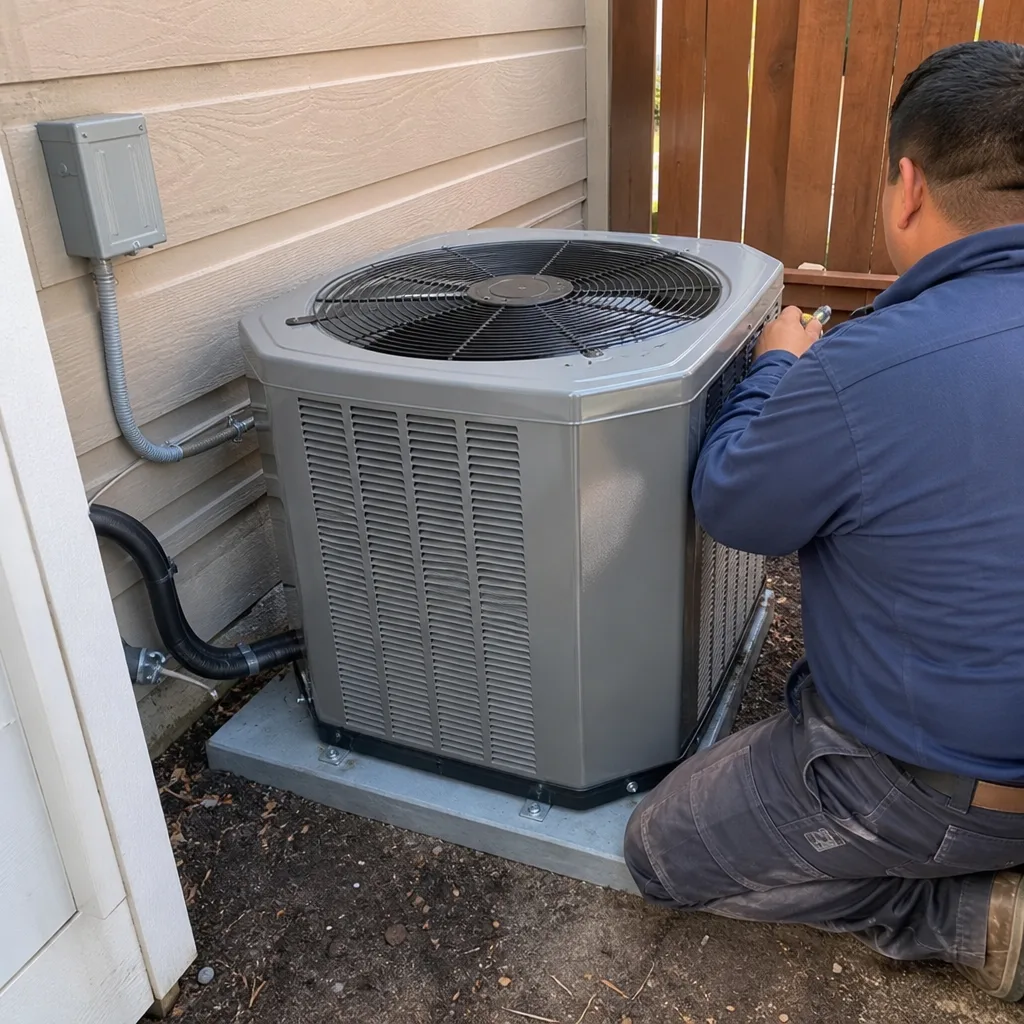 After
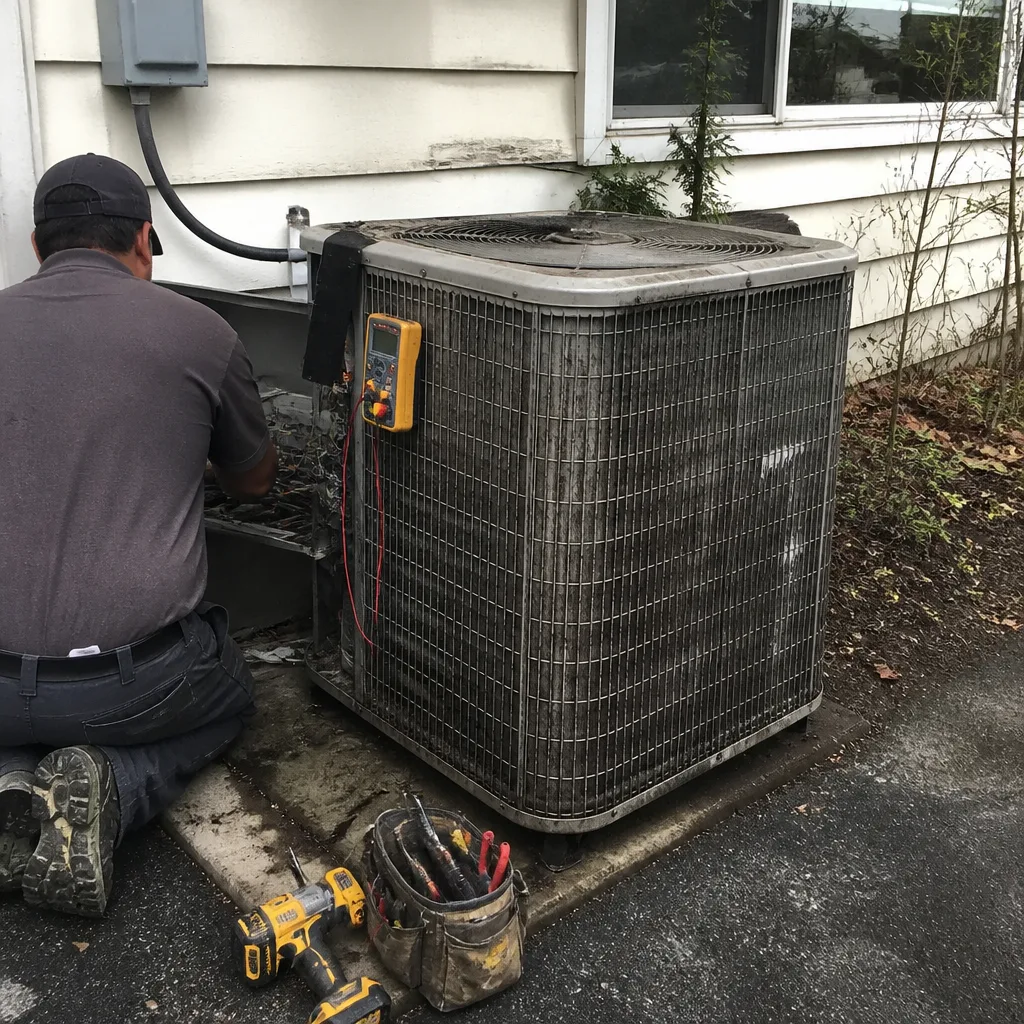 Before
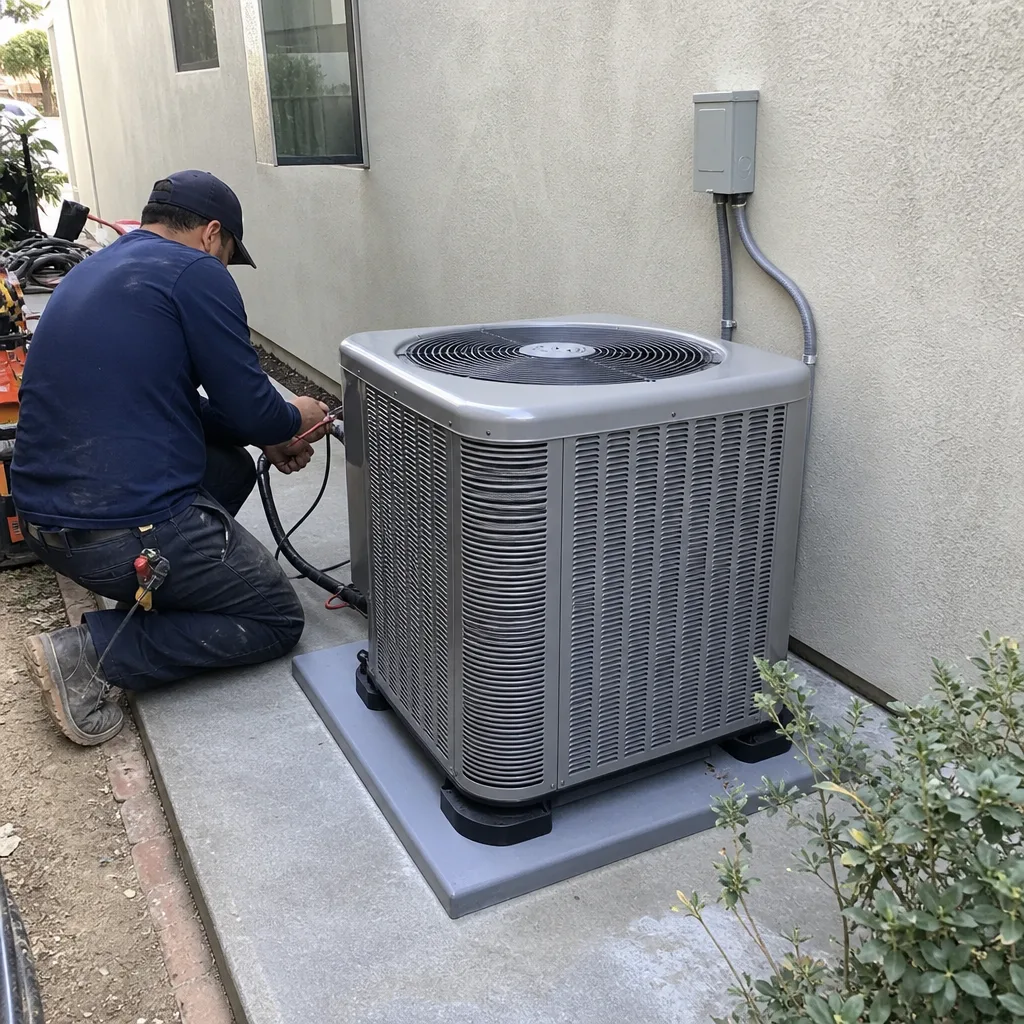 After