
Last updated October 31, 2026
 Kitchen remodeling
 Bathroom remodeling
 Home additions & ADU
 Roofing
 Windows & doors
 Driveway & pavers
 Fence
Free written scope consultation - allowances, timeline, and change-order rules on paper before a single trade is scheduled
General Contractor Troubleshooting: Common Problems and How to Fix Them
Most homeowners assume the biggest risk in a remodel is bad tile work or a crooked cabinet line. It isn’t. The most common complaint we hear in Foster City isn’t about craftsmanship at all. It’s that the homeowner didn’t know something was wrong until it was too late to fix it without a fight. That’s a communication and contract structure problem, not a trade skill problem. This guide breaks down the five categories of failure that derail remodels before the first hammer swings, and gives you a concrete intervention for each one. You’ll learn what a scope creep pattern actually looks like on paper, what your rights are when materials get swapped without notice, and how to build a communication cadence that catches problems at day three instead of week six.
Quick Answer
Most general contractor problems fall into five buckets: scope creep, permit and inspection failures, subcontractor accountability gaps, unauthorized material substitution, and communication breakdowns. Each has an early warning sign you can spot in the contract or the first two weeks of work. The fix is almost always the same thing in different clothes: a written paper trail, a clearly defined single point of accountability, and an escalation path that doesn’t rely on the contractor policing themselves.
Styles & brands we work with
Table of Contents
- Spotting Scope Creep Before It Costs You
- Permits, Failed Inspections, and Who’s Responsible
- The Subcontractor Accountability Gap
- Material Substitution Without Notice
- Building a Communication Protocol That Works
- Contract Red Flags to Catch at Signing
- Change Order Discipline: The Discipline Most Projects Lack
- When to Escalate: The CSLB and Beyond
Spotting Scope Creep Before It Costs You
Scope creep rarely announces itself with a single large change order. It announces itself with a pattern: small additions that each feel reasonable in isolation and together add 18 percent to the budget before the drywall is even hung. In Foster City remodels, where interior and exterior scopes often run simultaneously, the risk multiplies because a “small addition” on the kitchen side can ripple into the roof or hardscape side without anyone noticing the total.
Here’s what the pattern looks like on paper, based on what we’ve seen across projects that started with a clean contract and ended with a blown budget:
- Change orders arrive verbally first, in writing second. A legitimate change order is written before the work happens, with a price attached. If you’re being told about the change after the crew already framed it, that’s not a change order. That’s a surprise.
- Invoices start grouping unrelated line items. You see “miscellaneous materials” or “additional labor” as a single line with no breakdown. That’s where scope creep hides. Every invoice line should trace to a specific change order or the original scope of work.
- The words “while we’re in there” appear. This phrase is the single most reliable early indicator of scope drift. It almost always precedes an unbudgeted upgrade. The work may be worth doing, but the pattern to break is approval after the fact rather than before.
- Allowance overages hit without warning. If your cabinetry allowance was based on a certain quality tier and the actual selection lands 40 percent higher, you should know at selection, not at invoice. A contractor managing allowances well flags overages the same week they happen.
We work with KraftMaid and Wellborn on the cabinetry side, plus Cambria and Silestone for countertops, and one thing those manufacturer programs have in common is detailed, predictable line-item pricing. When a contractor sources from an authorized brand channel, allowances become forecastable. When the invoice looks murky, the murk is usually in the contractor’s process, not the material cost.
The intervention: Request a written change order log updated weekly. It should list every change, its cost, its status (proposed, approved, in progress, complete), and the current total variance from the original contract. If your contractor can’t produce this log in an hour, the project is already drifting.
Permits, Failed Inspections, and Who’s Responsible
When a general contractor pulls a permit in Foster City, the legal responsibility for that permit sits with the contractor, not the homeowner. The permit is issued to the licensed contractor whose name and license number appears on the application. When an inspection fails, the contractor is the party the building department holds accountable to correct the work and schedule the re-inspection.
A failed inspection is not automatically a crisis. It happens. Framing inspections fail over minor nailing schedules, electrical rough-ins fail over a missing AFCI breaker, plumbing roughs fail over improper slope on a drain line. What matters is what happens next:
- The correction list. The inspector leaves a written correction notice. The contractor should review it with you, explain each item in plain language, and give you a written timeline for cure. “A few days” is not a timeline. “Corrections completed by Friday, reinspection requested for Monday” is.
- The reinspection window. In California, a contractor has a reasonable window to correct failed work, typically measured in days to a couple of weeks depending on the scope. If your contractor stops responding to reinspection requests or lets the permit lapse, that’s a red flag.
- The payment question. You should not make the next scheduled payment on a phase that failed inspection and remains uncorrected. Your payment schedule should tie to successful inspections, not to the contractor’s say-so.
- Escalation to the CSLB. If the contractor abandons the corrections or refuses to file for reinspection, you can file a complaint with the California Contractors State License Board. The CSLB has authority to investigate and discipline licensees. This is the formal escalation path, and it exists specifically for situations where the contractor is not performing to the permit standard.
One thing we’ll say as a Foster City contractor who manages full-scope projects: a failed inspection is not, by itself, evidence of a bad contractor. It’s evidence of an inspection system working. What separates good contractors from problematic ones is the speed and completeness of the cure. Ask any contractor you’re considering how they handle failed inspections before you sign. If the answer is “we never fail inspections,” you’re talking to someone who either hasn’t done enough volume or isn’t being straight with you.
The Subcontractor Accountability Gap
The multi-scope remodel creates a structural problem most homeowners don’t see coming: you hire one general contractor, but the work is performed by six or eight different subcontractors, and when something goes wrong, each sub points at the other. The drywaller blames the framer. The tiler blames the waterproofing crew. The painter blames the drywall finisher. You’re standing in the middle holding a punch list nobody owns.
This is the accountability gap. It exists because most contracts list the general contractor’s name but don’t explicitly state that the GC is the single point of responsibility for all subcontractor work, including defects discovered after the subs have left the site and moved to their next job.
The contractual fix is a clause that sounds like this:
“General Contractor shall be solely responsible for the work of all subcontractors, suppliers, and material vendors, including any defects in workmanship or materials discovered after the subcontractor’s work is complete. No homeowner shall be required to communicate with or pursue any subcontractor directly for correction of work covered by this agreement.”
That paragraph, or something close to it, is the difference between a project where the GC owns the punch list and one where you become an unpaid project manager chasing other companies’ crews. It’s the single most valuable sentence you can add to a contract before signing.
We operate as a single contract, single project manager model on remodels in Foster City. That means when the James Hardie siding crew finishes and the painter arrives, the painter’s work still rolls up to our punch list. The homeowner never has to figure out which sub installed the flashing wrong. That’s our job to identify and correct. This is how the Ashford Contractors home model works: one point of contact for the entire project, inside and out.
Material Substitution Without Notice
Material substitution is the quietest way a remodel’s quality erodes. The contract says one thing. The delivery shows up with something else. Maybe the roofing underlayment got swapped for a cheaper roll. Maybe the window brand changed from the spec you approved to a house brand you’ve never heard of. Maybe the kitchen faucet went from Moen to a no-name import because “the supply house was out.”
Under California contract law, you have a right to receive what your contract specifies, and a material substitution made without your written approval is a breach, regardless of whether the substituted product is “just as good.” That phrase should put you on alert. Substitutions announced after installation are the most serious, because the cost to correct is highest and the contractor knows it.
Here’s what protection looks like, upfront:
- Brand and model specificity. Your contract should name manufacturers and model numbers for big-ticket items: “Moen Align pull-down faucet” not “kitchen faucet,” “James Hardie HardiePlank lap siding” not “fiber cement siding.” A material spec that could describe five different products is an invitation to substitute.
- A substitution clause with teeth. Language that says any substitution requires your written approval in advance, any substitution without approval may be rejected and replaced at the contractor’s expense, and approval of an unapproved substitution does not waive future enforcement of the clause.
- Delivery confirmation. For high-value materials, ask to confirm delivery against the spec sheet before installation. A 30-second walkthrough of the delivered boxes against the contract line items catches most substitution attempts before anything gets installed.
We source from a roster of more than 50 manufacturers including PGT and CGI on the window and door side, Boral on roofing, and CWS for specialty products, because spec clarity starts with knowing exactly what a manufacturer produces and what the lead times are. When your contractor works with authorized brand channels, the substitution temptation largely disappears. The brand knows what was ordered, and so does the distributor.
Building a Communication Protocol That Works
The projects that end badly don’t fail at week twelve. They fail at day three, when a small issue goes unraised, and then compounds for two months while everyone assumes someone else mentioned it. Every homeowner should establish a communication protocol in the first week, and it should be something both sides commit to in writing.
Here’s what a functional cadence looks like:
- A standing weekly site meeting, same day, same time. Thirty minutes. Walk the site together. Review the week’s completed work against the schedule, the week ahead, and the change order log. Take notes.
- A written weekly update, delivered by email, every Friday. It should cover: what was completed this week, what’s scheduled next week, any issues raised, any decisions needed from the homeowner, and a running budget variance. This document is your early warning system.
- A photo log. Your contractor should be photographing work at inspection points and before drywall closes walls. You should take your own photos too. When a dispute arises later, the photo record is the tiebreaker.
- An escalation path defined in advance. Day-to-day issues go to the project manager or site lead. If unresolved in 48 hours, it goes to the company owner or principal. If unresolved after a week, you file a written notice. You should know who those people are before demo starts.
- Decisions in writing, always. “Approved verbally at the site walk” is how disputes start. Every material selection, change order, and schedule modification should have a paper or email trail within 24 hours.
In Foster City, where remodels frequently touch both interior and exterior systems at once, this cadence matters more because there are more moving pieces; see our Seasonal Construction Care for Foster City: Year-Round Homeowner’s Guide for how timing affects these overlapping scopes. A roofing crew from one manufacturer channel and a cabinetry delivery from another don’t coordinate themselves. The general contractor’s project management system is the coordination layer, and a weekly written update is how you verify that system is actually running.
Contract Red Flags to Catch at Signing
Most of the problems covered in this guide were determined at the moment the contract was signed. The contract is not a formality. It’s the operating system for the entire project, and certain phrasings predict future trouble with uncomfortable accuracy.
Walk through these red flags before you sign anything:
- “Labor and materials as needed.” This phrase is an open checkbook. It means the scope is undefined and the final price will be discovered later, usually by you.
- A payment schedule not tied to milestones. California law caps the down payment at 10 percent or $1,000, whichever is less, for home improvement contracts. After that, payments should track to completed, inspected work. If the schedule says “50 percent at week four regardless of progress,” that’s a red flag.
- No allowance schedule. If the contract says “cabinetry allowance: TBD” or doesn’t list allowances at all for finishes, you’re signing up to negotiate prices mid-project without leverage.
- No explicit subcontractor responsibility clause. Covered above. The absence of this clause is the single biggest predictor of the accountability gap problem.
- A scope of work that fits on one page. A substantial remodel in Foster City, touching kitchen, roof, windows, and hardscape, should have a scope document that runs many pages. One page means the details aren’t captured, and undisputed details are where problems grow.
We write contracts for full-scope work, which means our scope documents are long by necessity. A James Hardie siding re-side, a GAF roof replacement, a Wellborn kitchen, and a Belgard paver patio each have their own spec requirements. One contract, one project manager, but the details get their own space. That’s the General Contractor in Foster City model we run: specificity as the default, not the exception.
Change Order Discipline: The Discipline Most Projects Lack
Change orders are not a sign of project failure. They’re a normal part of remodeling. What separates a healthy project from a scope-crept disaster is whether change orders are treated as an exception requiring process, or as a casual event absorbed into the general flow of work.
This is the discipline: every change order, no matter how small, gets a written document with a price before the work starts. The document states what’s being changed, what it costs, how it affects the schedule, and whether it impacts any other scope area. The homeowner signs it. Then, and only then, does the work proceed.
Here’s why the “small” exemptions are a trap:
- The de minimis exception. “It’s only a couple hundred dollars, we’ll just add it to the next invoice.” Multiply that across six months and twenty small changes, and you have $8,000 of undocumented scope growth.
- The schedule exception. “This won’t affect the timeline at all.” In a full-scope remodel, everything affects the timeline. Paint selection changes affect the painter’s schedule, which affects the cabinet installation, which affects the countertop templating, which affects the backsplash date.
- The allowance exception. “We’ll true up the allowance at the end.” That’s a change order you haven’t approved yet, with a price you don’t know yet.
The fix is mechanical. A change order log, updated weekly, reviewed at every site meeting, with a running total variance against the original contract price. If the variance hits 5 percent, the homeowner and contractor should have an explicit conversation about remaining budget. If it hits 10 percent, scope should be reduced or the budget formally amended in writing. This is a discipline we run on every project, and it’s one reason Home Remodeling in Foster City projects stay predictable: the drift gets caught at 3 percent instead of 15.
When to Escalate: The CSLB and Beyond
Escalation is a ladder, and most homeowners either skip rungs or never climb at all. The right sequence, in order:
- Written notice to the contractor. A clear, dated letter or email describing the problem, the contract provision violated, and the date by which correction is required. This paper starts the clock.
- Mediation or arbitration if your contract requires it. Many California residential contracts include a dispute resolution clause. Know what yours says before you sign, because it determines whether you can go to court or must use a private process.
- CSLB complaint. The California Contractors State License Board investigates complaints about licensed contractors, including abandonment, failure to complete work, poor workmanship, and deviation from contract. A CSLB complaint does not cost you legal fees, and it can result in disciplinary action against the license.
- License bond claim. California contractors are required to carry a license bond, currently $25,000. If a contractor breaches the contract and the CSLB process confirms it, the bond can be a source of recovery for smaller claims.
- Construction defect litigation. This is the last rung. It’s expensive, slow, and adversarial, but for significant structural defects or substantial financial loss, it’s the recourse the law provides.
The key to escalation is not to wait. The homeowner who escalates at week three with a written notice usually resolves the issue at week four. The homeowner who waits until week twelve, after the contractor has moved crews to another job, is in a much worse negotiating position. Early written documentation is your leverage.
Common Mistakes to Avoid
- Paying for work before it’s inspected. The inspection is the verification step. If you pay before the city signs off, you’ve spent your leverage. Tie payments to passed inspections.
- Accepting verbal approvals as binding. “We agreed on the phone” is not a contract provision. Every decision that affects scope, schedule, or price goes in writing. No exceptions, no matter how small.
- Hiring without checking the license. In California, you can verify a contractor’s license status on the CSLB website in two minutes. Do it. Check the license number, the classifications, and any disciplinary history. Skipping this step is how unlicensed operators get hired.
- Not specifying materials by brand and model. Generic specs invite substitution. Name the manufacturer and the model number, or at minimum the brand and quality tier, for every major material category.
- Firing the contractor without a paper trail. If you terminate a contract without documented cause, you may be liable for the contractor’s lost profit. Your written notices, failed inspection records, and change order log are the evidence that protects you.
- Ignoring the schedule slips in the first month. A project that’s a week behind at week four is rarely a week behind at week twelve. Schedule variance compounds. Address it the first time it appears.
See the difference
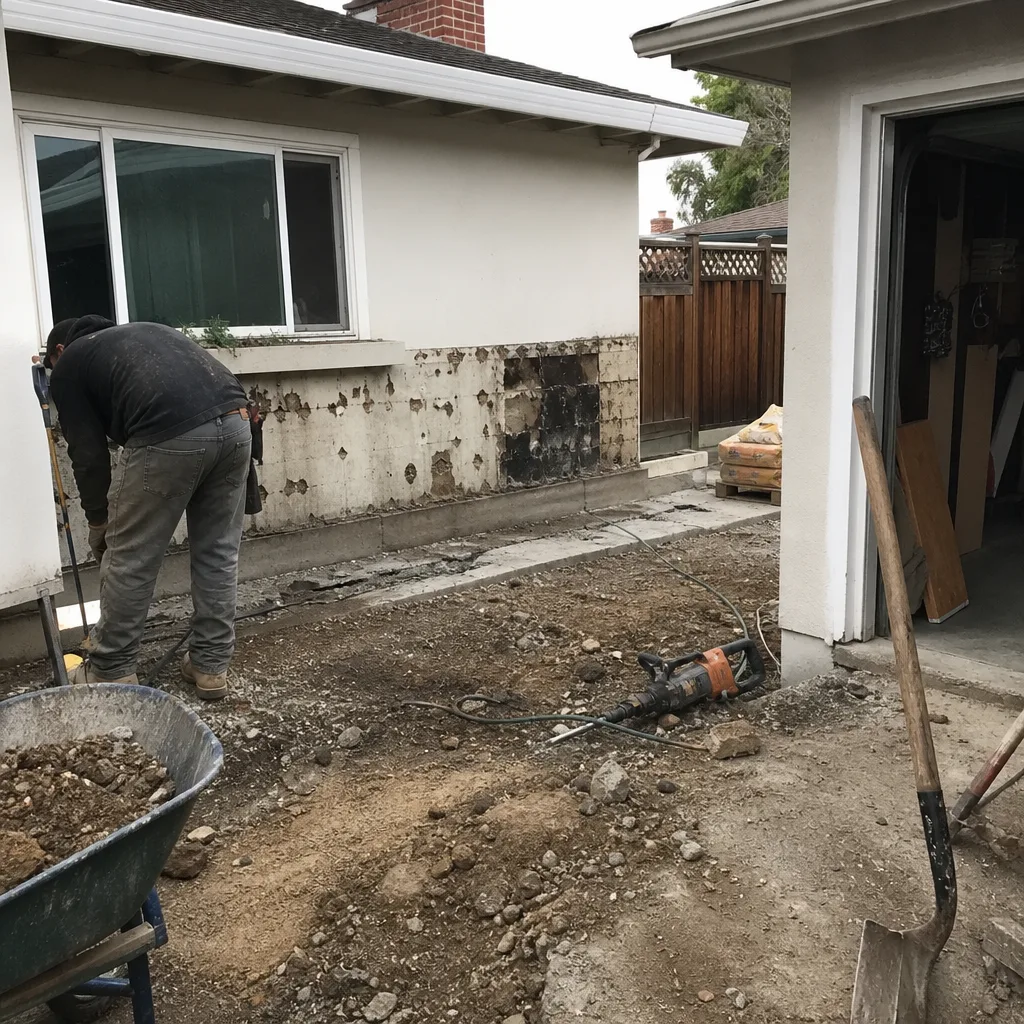 Before
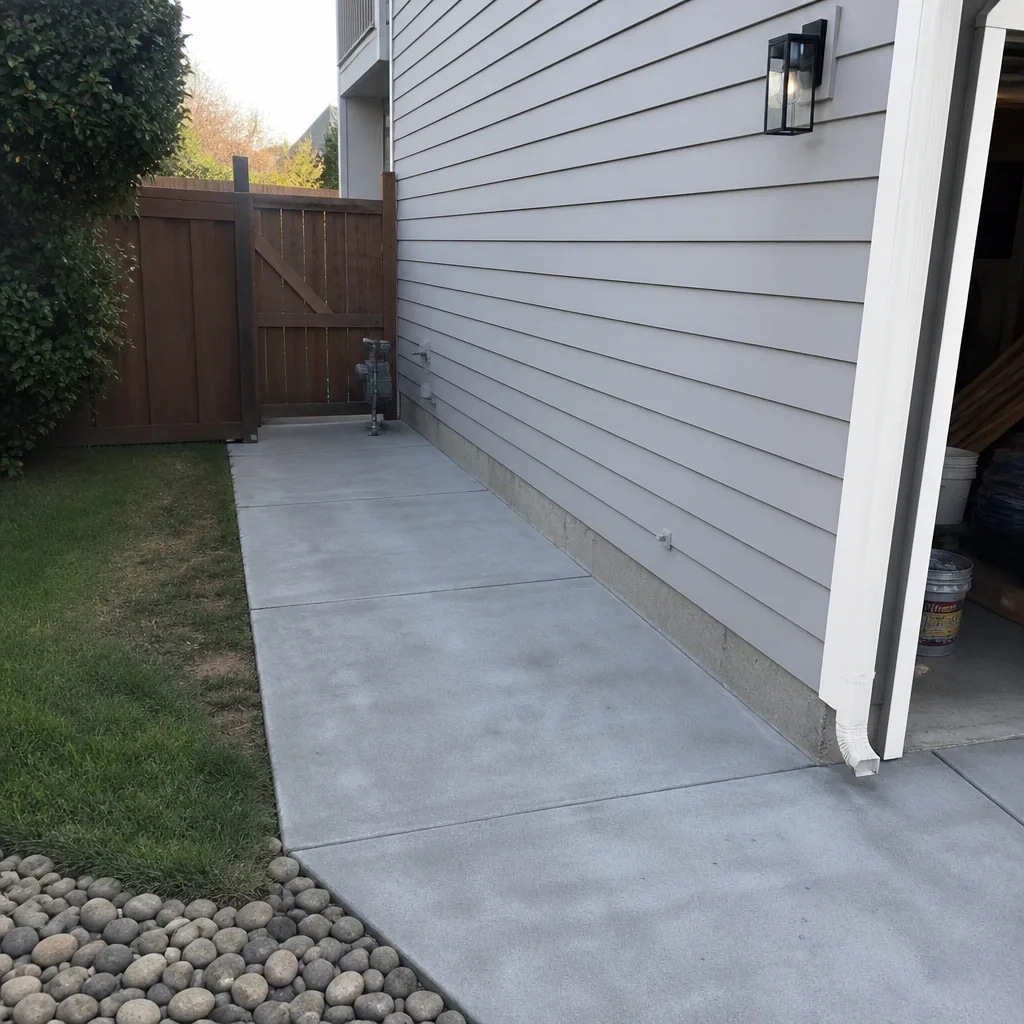 After
 Before
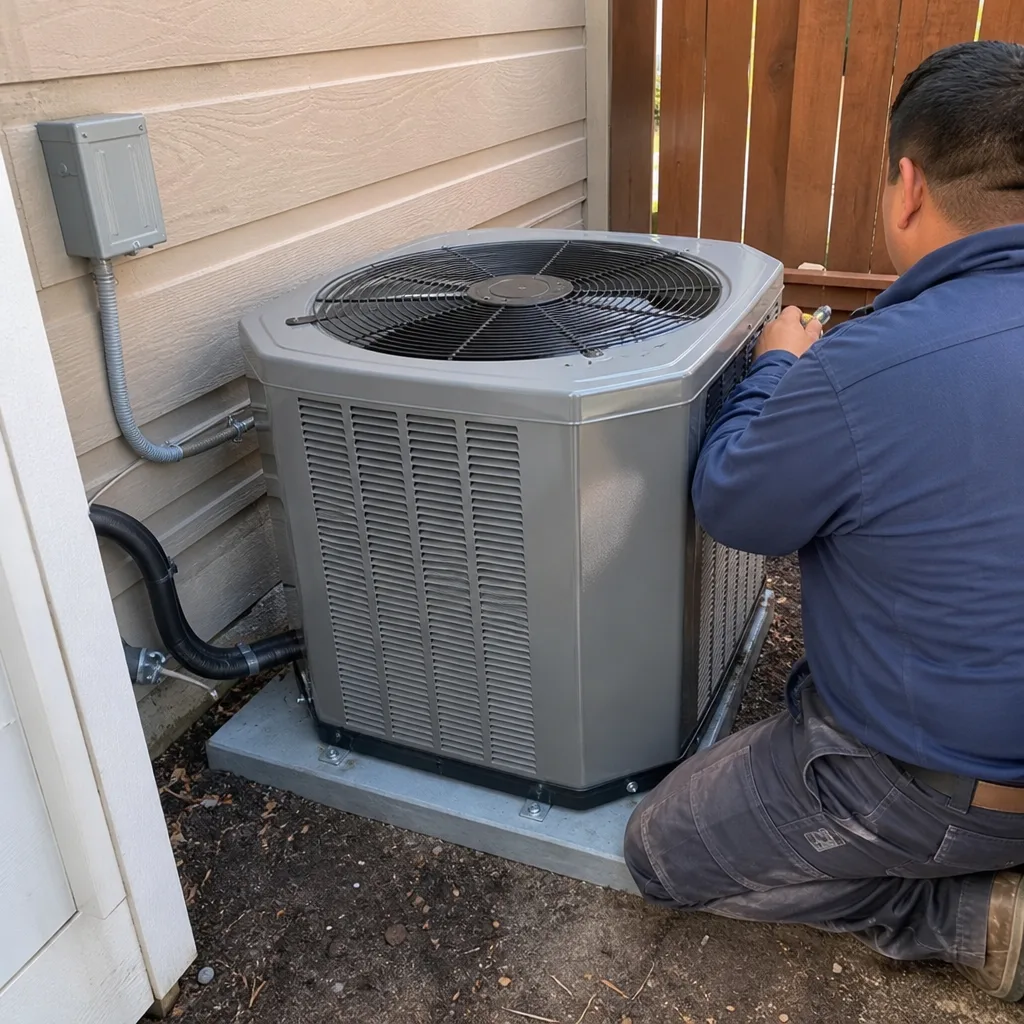 After
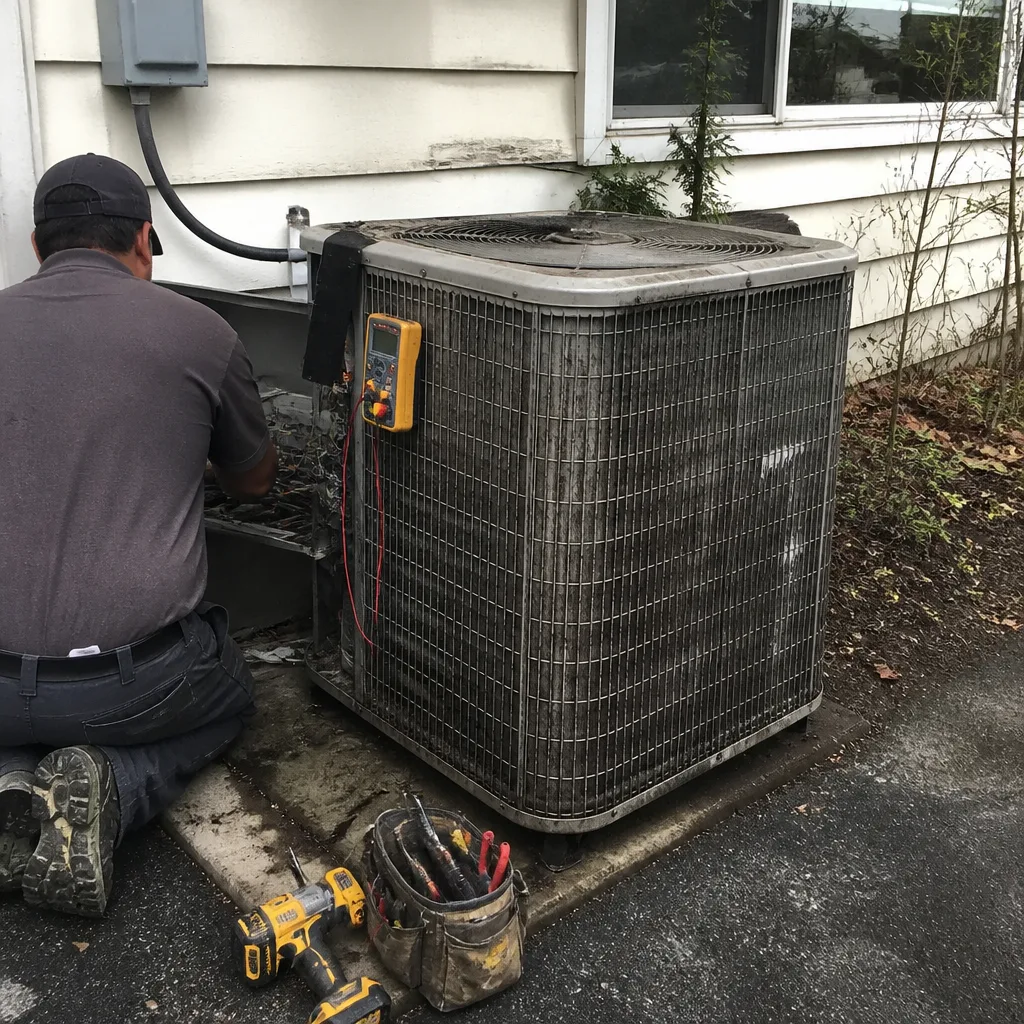 Before
 After
When to Call a Professional
Some problems are visible to a homeowner and fixable by one. A crooked tile line, a paint color that reads differently in daylight, a fixture that arrives in the wrong finish. These are punch list items. But structural issues, permit failures, electrical or plumbing corrections, and anything involving load-bearing elements or waterproofing are not DIY territory. If a failed inspection involves framing connections, shear walls, or roof structure, you need a licensed general contractor to correct it. If waterproofing is failing in a shower or behind stucco, the repair is invasive and sequencing matters. In Foster City, where many homes are original 1960s and 1970s construction now being updated, those older bones often hide surprises. Ashford Contractors in Foster City offers free estimates for homeowners facing these situations. Call (877) 752-3868 to schedule a walkthrough and get a written assessment.
Frequently Asked Questions
The earliest signs appear in the first two weeks: verbal change orders with no written follow-up, invoices with vague line items like “miscellaneous” or “additional labor,” missed schedule milestones without explanation, and a contractor who gets defensive when you ask for documentation. A good contractor welcomes written requests. A problematic one resists them.
Send a written notice demanding a return date and a plan to complete the work. If the contractor fails to respond, file a complaint with the California Contractors State License Board. If the abandonment is permanent, you may need to hire a replacement contractor and potentially seek recovery from the original contractor’s license bond.
The general contractor is. Your contract is with them, and they are the party responsible for the work of every subcontractor they hire. Never accept being told to call the subcontractor directly. That’s the GC’s job, and any contract you sign should state it explicitly.
The cost depends entirely on what failed. A minor nailing schedule correction might take a day of labor and a couple hundred dollars. A failed structural inspection could require engineering review and significant rework. The important question is whether the correction is covered by the contractor or billed as a change order. If the work deviated from the approved plans, the correction is generally the contractor’s responsibility, not a change order.
Yes, for any work that alters structure, electrical, plumbing, or mechanical systems, and for many exterior changes. Foster City building codes require permits for substantial remodels, re-roofs, window replacements, and hardscape projects of certain size. A contractor who suggests skipping permits is not doing you a favor. Unpermitted work can complicate future sales and may not meet current code requirements.
Name specific brands and models in your contract, include a clause requiring written approval for any substitution, and verify delivered materials against the spec sheet before installation. If a substitution happens without approval, put your objection in writing immediately and do not make the next scheduled payment for that phase until the issue is resolved. Call (877) 752-3868 if you’re unsure what brand specificity looks like in practice.
The Bottom Line
General contractor problems are rarely mysteries. They follow patterns, and those patterns are visible early if you know what to look for. Scope creep shows up in change order patterns. Accountability gaps are written into contracts before the first day of work. Material substitutions are preventable with brand-specific specs. Communication failures compound because there’s no cadence in place to catch them at day three. The common thread is documentation: written contracts, written change orders, written weekly updates, written notices. The homeowners who insist on paper are the ones who don’t end up in disputes. The ones who rely on verbal trust are the ones who do. In Foster City and beyond, the fix is the same: specific contracts, verified materials, disciplined change order logs, and a communication protocol that puts everything in writing. The Home Renovation in Foster City process works when the paperwork is as solid as the framing.
Written by the team at Ashford Contractors, serving Foster City since 2013. Explore more guides & resources.