
Last updated October 31, 2026
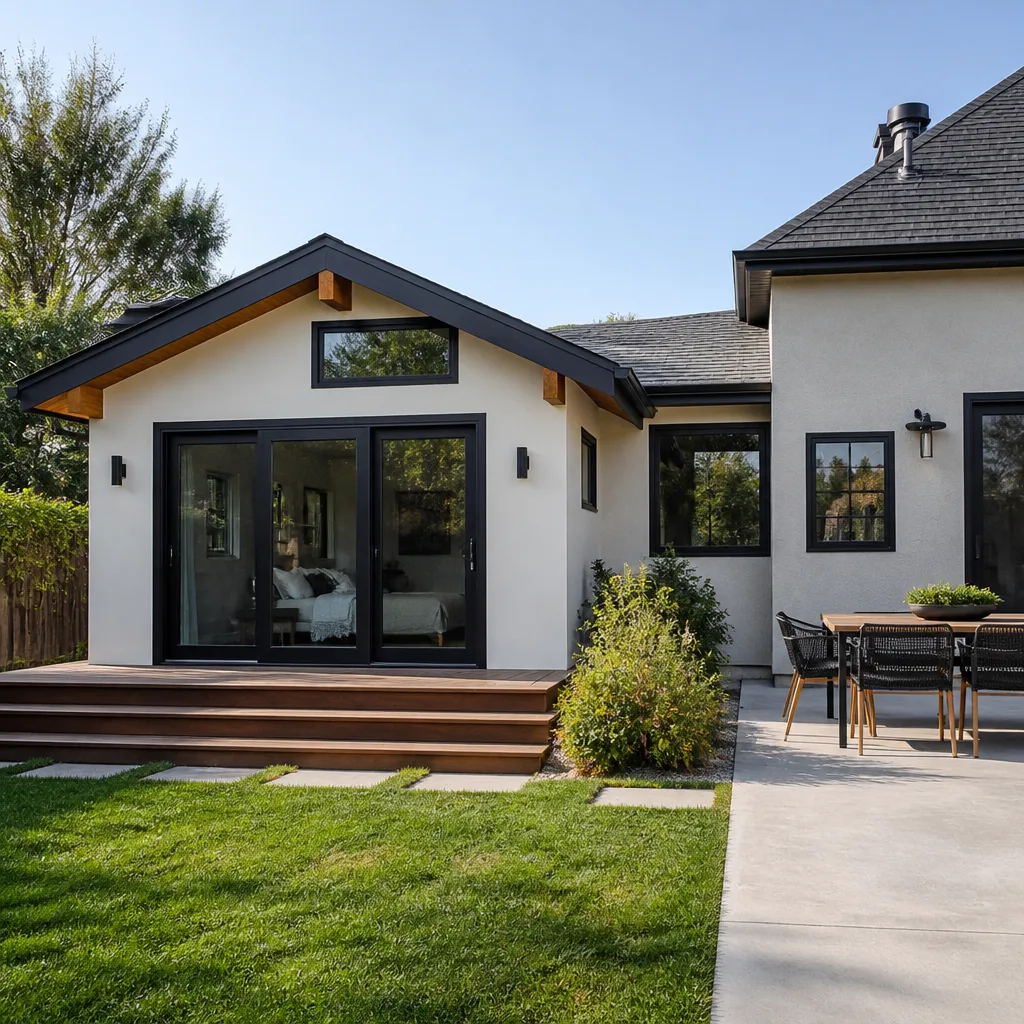 Home additions & ADU
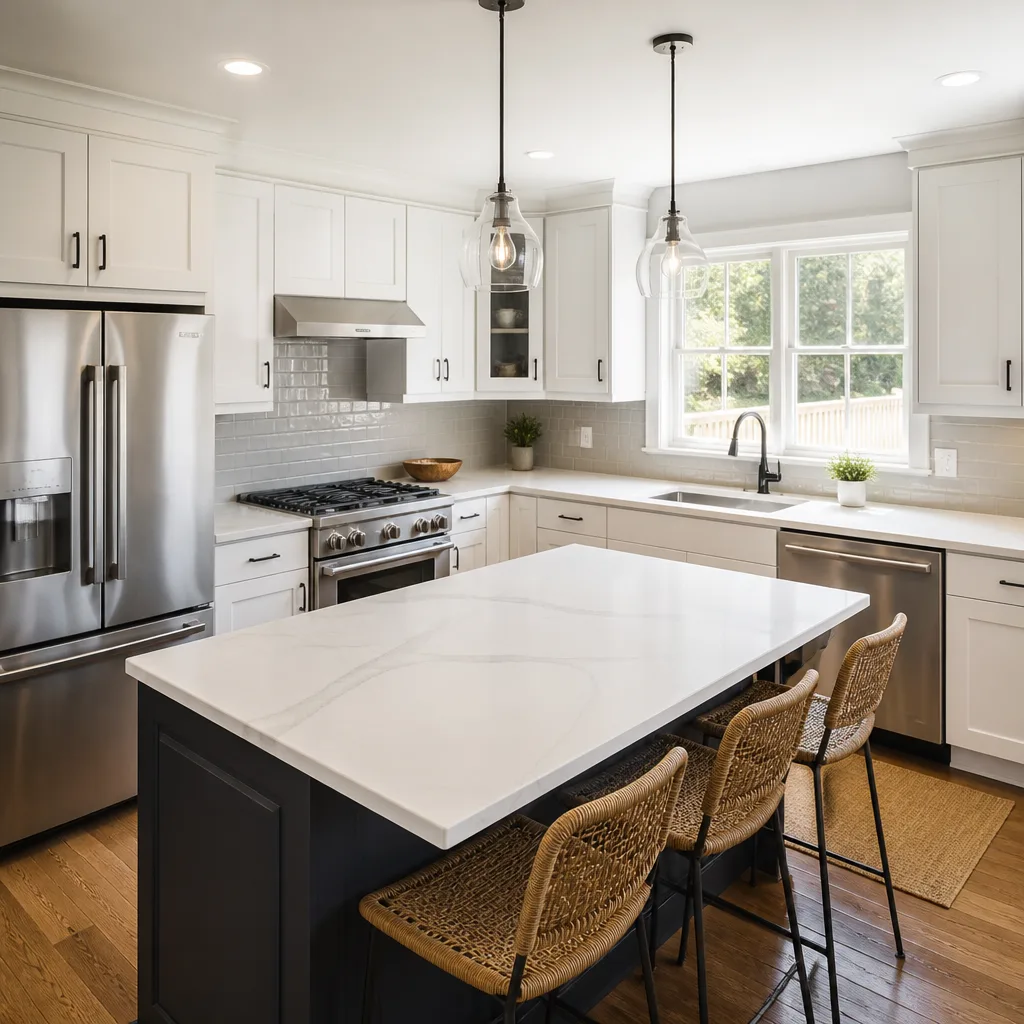 Kitchen remodeling
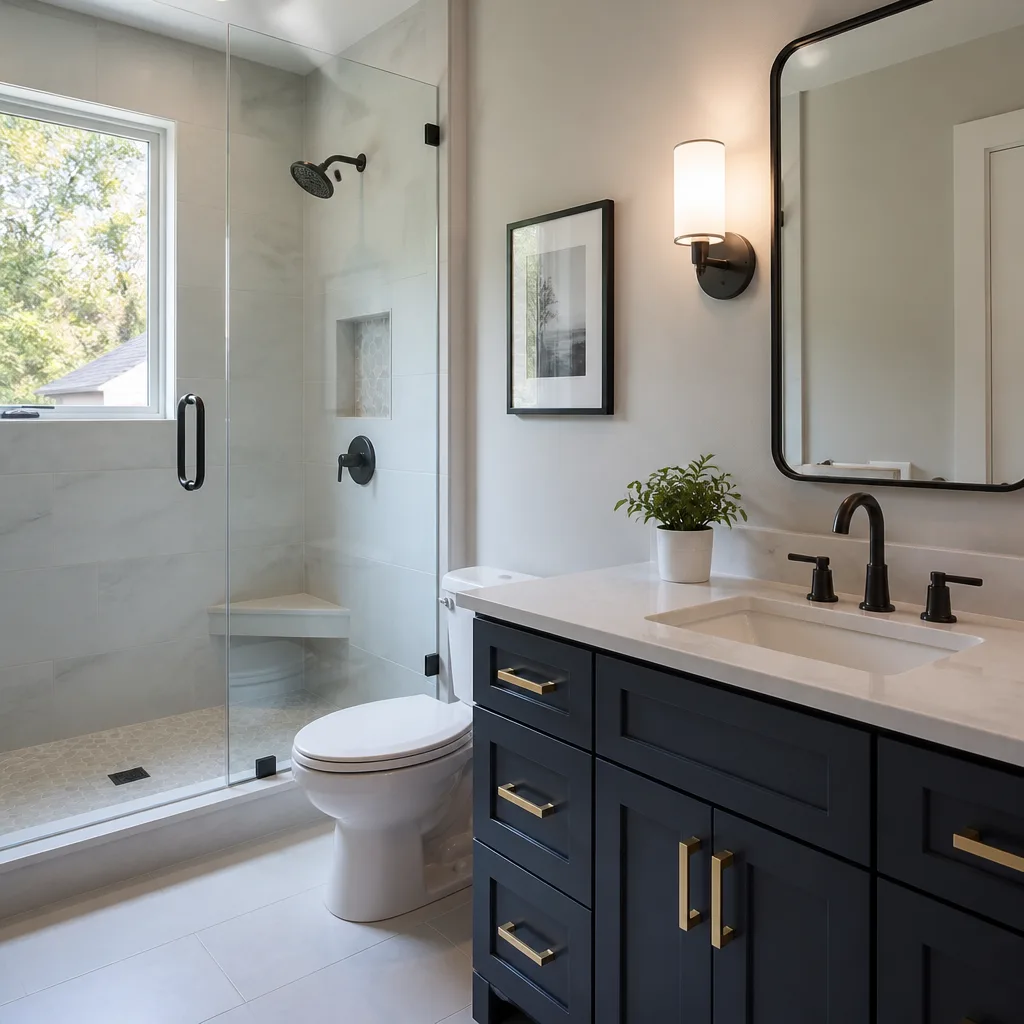 Bathroom remodeling
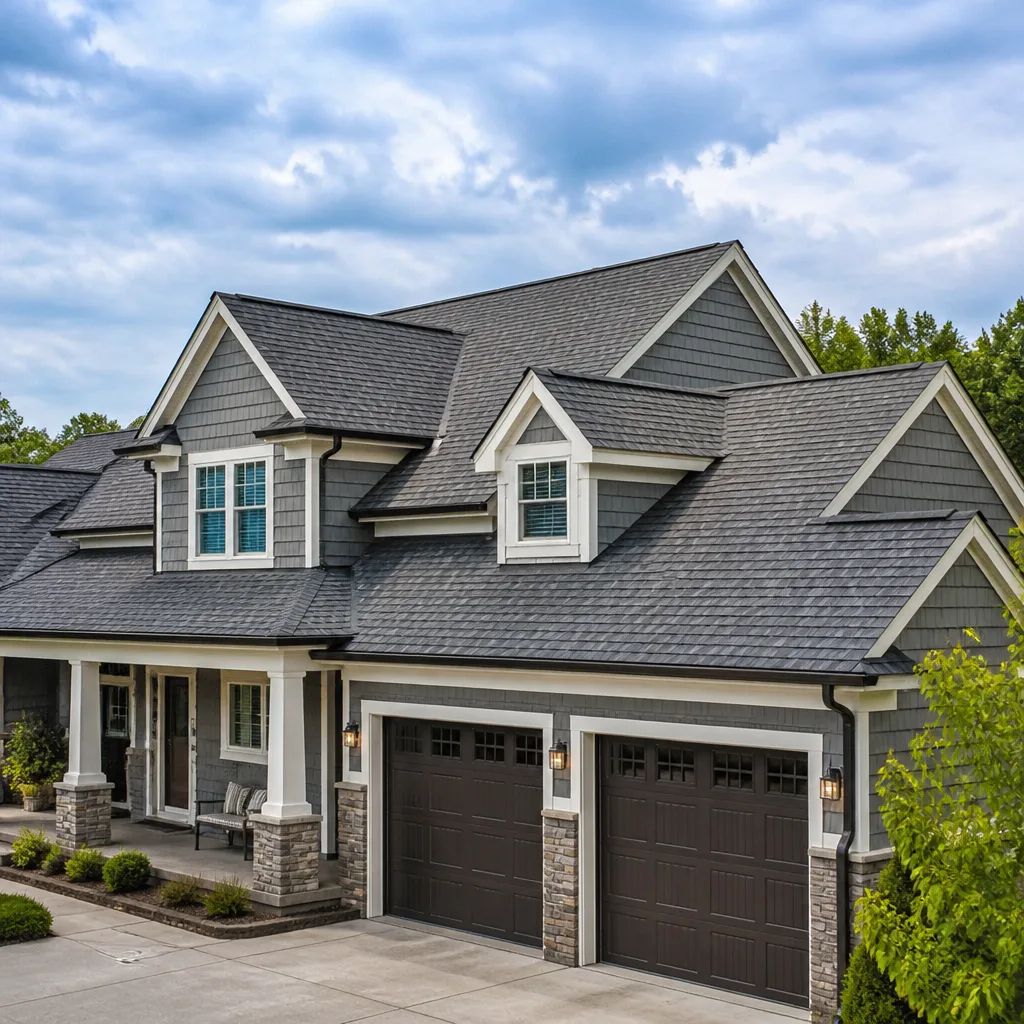 Roofing
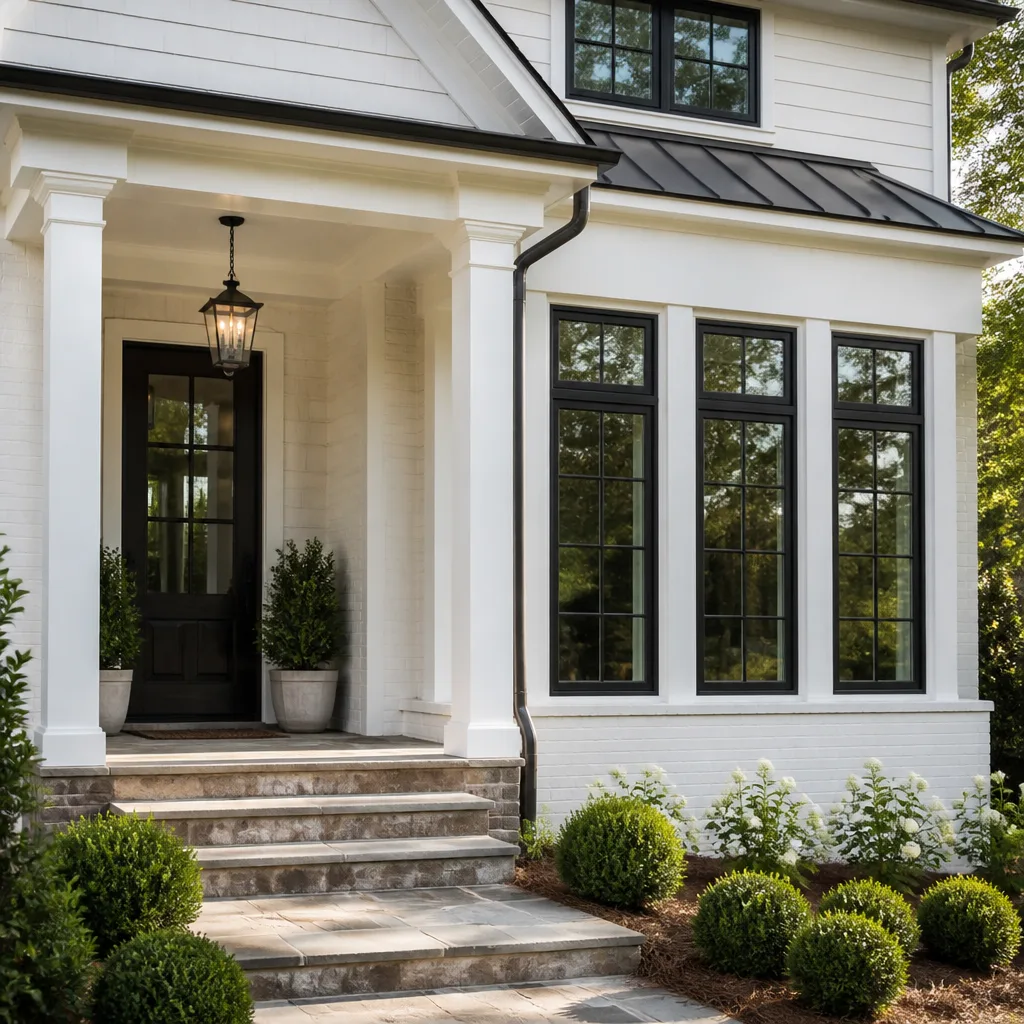 Windows & doors
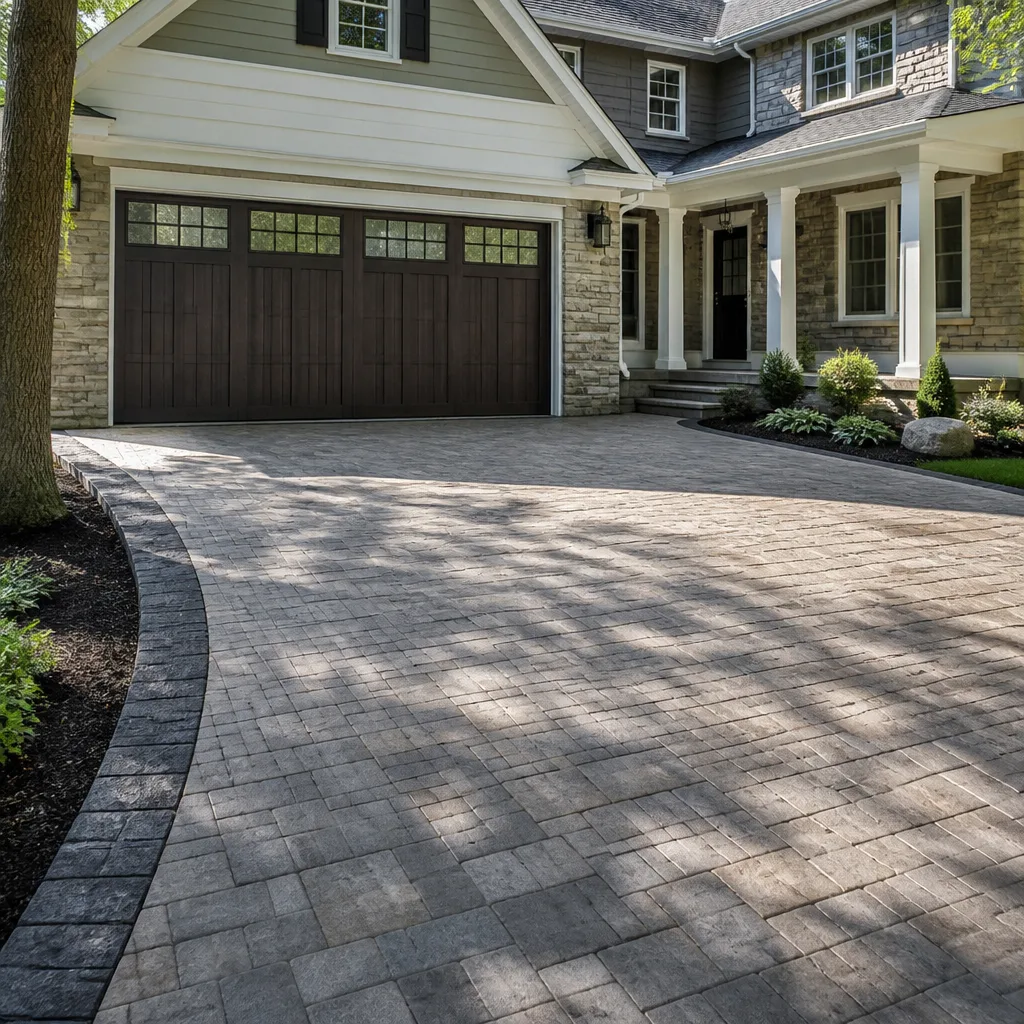 Driveway & pavers
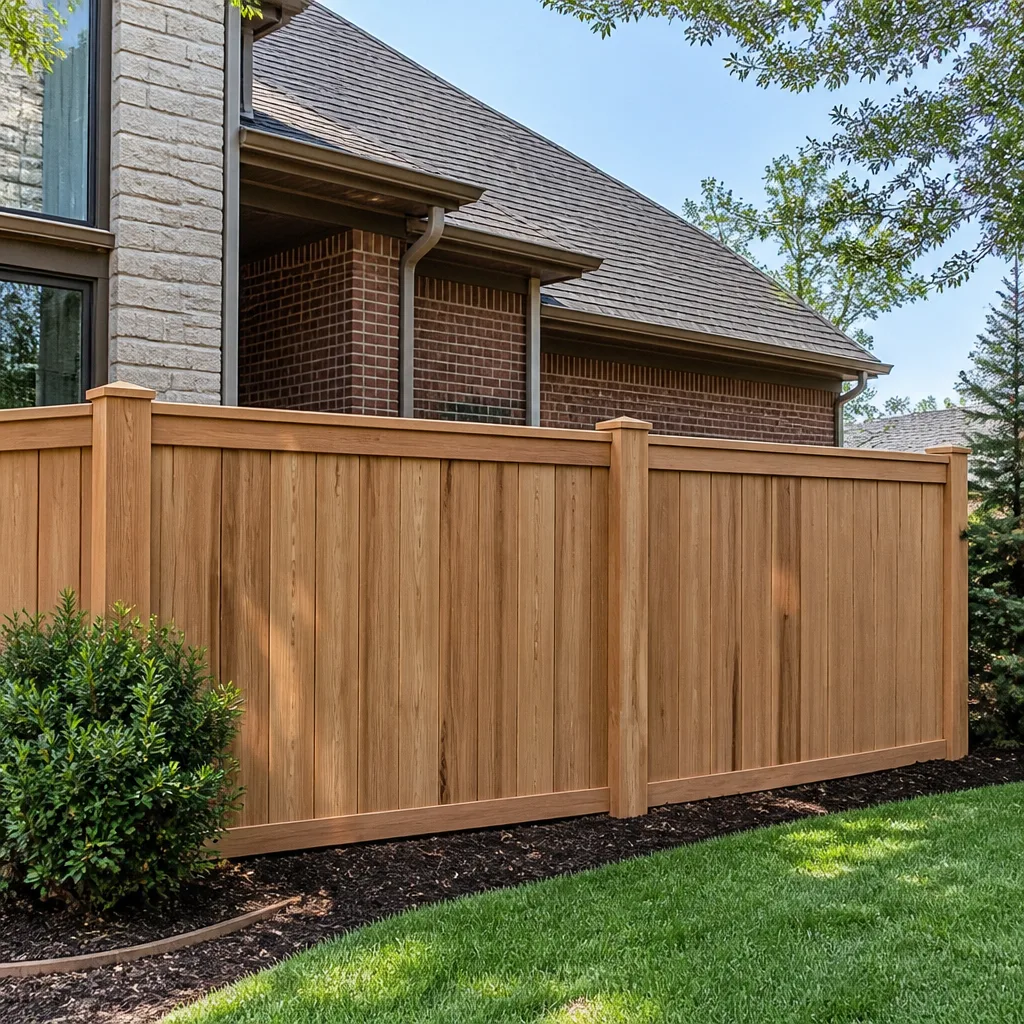 Fence
Free written scope consultation - allowances, timeline, and change-order rules on paper before a single trade is scheduled
Construction Cost Breakdown: The Foster City Homeowner’s Reference for 2026
Ask any Foster City homeowner who finished a major remodel last year what surprised them most, and the answer rarely has anything to do with tile prices. It’s the change orders. The wall that hid plumbing nobody mapped. The roof decking that met code in 1978 but not in 2026. The gap between what the interior contractor quoted and what the exterior work actually required. This guide covers the numbers most estimates leave out: the permit fees San Mateo County adds, the labor premium Foster City pays for its lagoonside location, and the real cost of running two or three separate contractors on one property. You’ll walk away knowing how to read a GC bid line by line, benchmark each scope against what your neighbors are actually paying, and spot an allowance that’s been set low on purpose.
Styles & brands we work with
Quick Answer
Home construction costs in Foster City for 2026 run between $285 and $575 per square foot for most interior work, with full exterior remodels landing between $48,000 and $165,000 depending on scope and material tier. Permits, school fees, and energy compliance add 9 – 14% on top of the construction line item before a single trade sets foot on the property. Hiring one full-scope general contractor typically saves Foster City homeowners 8 – 15% on the total project cost compared to coordinating separate interior and exterior contractors, because scope gaps and redundant mobilization charges disappear from the budget.
Table of Contents
- 2026 Per-Square-Foot Benchmarks by Project Type
- The Permit Cost Layer Foster City Estimates Omit
- Labor Rate Reality: Why Bay Area Trades Cost 15 – 22% More
- The True Cost of the Multi-Contractor Model
- How to Read a GC Estimate for Completeness
- Material Tier Breakdown: Builder Grade vs. Mid-Grade vs. Premium
- Case Study: Where Scope Gaps Hide in Foster City Homes
- Common Mistakes to Avoid
- When to Call a Professional
- Frequently Asked Questions
2026 Per-Square-Foot Benchmarks by Project Type
Foster City sits inside the San Mateo County construction market, which means material costs track the Peninsula, not the wider Bay Area average. The numbers below reflect what we see on signed contracts in this city, not what national cost guides publish. The single biggest driver of spread inside each range is access: whether your kitchen sits on a slab, whether the roof pitch allows standard staging, whether city crews need to close a lane of sidewalk during the tear-off.
Kitchen Remodels
- Builder grade: $18,000 – $28,000 – stock cabinets, laminate counters, standard appliance package
- Mid-grade: $38,000 – $65,000 – semi-custom cabinetry from KraftMaid or Wellborn, quartz from Cambria or Silestone, mid-tier appliance suite
- Premium: $78,000 – $130,000 – fully custom layout changes, stone slab work, Kohler or Grohe fixture package, waterfall islands, built-in refrigeration
Kitchen costs in Foster City run roughly 6% above the East Bay equivalent because water-adjacent lots on the lagoon side often have soil conditions that complicate gas line extensions and drain relocation. The city’s 1970s and 1980s building stock also means a surprising number of kitchens still have aluminum branch wiring, and bringing that up to current code is a real line item, not a footnote.
Bathroom Remodels
- Builder grade: $12,000 – $19,000 – fiberglass surround, stock vanity, builder-grade fixtures
- Mid-grade: $24,000 – $42,000 – porcelain tile, custom shower pan, Moen or Toto fixtures, frameless glass
- Premium: $48,000 – $85,000 – full wet-room design, heated floors, curbless entries, custom millwork, linear drains
Bathroom numbers are deceptively compact. A small primary bath that costs $31,000 in Kansas City runs $44,000 here because the trade minimums are the real cost. Plumbers and electricians in the Peninsula market carry minimum trip charges and half-day minimums that smaller rooms can’t dilute. That’s not padding, it’s math.
ADU Construction
- Detached 400 – 600 sq ft: $165,000 – $285,000 turnkey
- Attached conversion (garage or bonus room): $95,000 – $175,000
- Prefab ADUs (Abodu, Dvele, Mighty Buildings, Boxabl, or Plant Prefab): $140,000 – $320,000 including site work and utility connection
School district fees for ADUs in San Mateo County run lower than in neighboring counties because of recent state changes, but Foster City still requires third-party energy compliance reporting that most owners don’t budget for. A prefab ADU often looks cheaper on the factory invoice, but Foster City’s foundation anchoring requirements for lagoon-adjacent sites can add $12,000 – $28,000 that the prefab quote doesn’t include. This is exactly the kind of gap a general contractor pricing the full scope catches before the contract gets signed.
Room Additions
- Builder grade (unfinished attic-to-bedroom, standard framing): $220 – $290 per sq ft
- Mid-grade (ground-floor bump-out, standard finishes): $295 – $380 per sq ft
- Premium (second-story addition with roofline integration): $360 – $515 per sq ft
Foster City additions face structural review that older, non-lagoon neighborhoods in San Mateo avoid. Wind exposure on the water-adjacent side of the city triggers uplift calculations on roof framing, and the soil reports for slab-sited homes often recommend deeper footings than the original 1970s construction used. A competent full-scope general contractor prices these conditions in; a single-trade contractor discovers them mid-project.
Full Exterior Remodels
- Siding replacement with James Hardie fiber cement: $42,000 – $78,000 for a typical 2,000 sq ft ranch
- Roof replacement (GAF, CertainTeed, Owens Corning, IKO, Atlas, Tamko, or Boral): $14,000 – $32,000 depending on slope, layers, and material tier
- Hardscape and paver work (Belgard, Unilock, Tremron, Cambridge Pavers, Techo-Bloc): $18,000 – $65,000 for driveways, patios, and walkways
- Window replacement from Therma-Tru on the door line and major manufacturers on windows: $900 – $2,400 per opening installed
Foster City’s proximity to the bay means exterior materials take salt-air exposure that inland neighborhoods don’t. That affects material selection more than cost, but it does matter: not every fascia board sold in the Bay Area is rated for the moisture load a lagoonside home endures. We’ve watched homeowners pay twice for exterior trim because a low bid supplied interior-grade lumber. The cost guide numbers above assume appropriate exterior-grade materials from the start.
The Permit Cost Layer Foster City Estimates Omit
Most published cost guides price construction as if the building department didn’t exist. In Foster City, permits are not a footnote. They’re a seven-to-fourteen percent line item on most projects over $40,000, and the fees stack in ways homeowners don’t see until plan check comes back.
What Actually Gets Charged
- Building permit fees: Foster City, like most San Mateo County jurisdictions, charges based on valuation. A $75,000 remodel typically carries $1,900 – $3,800 in city permit fees alone.
- Plan check fees: Usually 65% of the permit fee, charged separately when drawings are submitted, not when work begins.
- School district fees for ADUs: San Mateo County ADUs pay school impact fees that have been reduced under recent state legislation, but still run $3 – $6 per square foot on new detached units. A 600 sq ft ADU owes roughly $1,800 – $3,600 before construction starts.
- Third-party energy compliance: Foster City requires Title 24 energy modeling and, on many projects, HERS verification. Plan reviewers increasingly ask for this documentation up front. Budget $900 – $2,600 depending on project size.
- Structural observation requirements: For lagoon-side and water-adjacent lots, Foster City may require a geotechnical report ($2,500 – $6,000) and special inspection during foundation work ($800 – $2,000), not optional.
When we bid a project in Foster City, the permit layer is built into the estimate as a separate line item with transparent pass-through documentation. If a bid treats permits as “included,” ask for the breakdown. The ones that can’t produce one are usually baking an optimistic guess into the number, and the difference comes back as a change order.
Labor Rate Reality: Why Bay Area Trades Cost 15 – 22% More
The skilled trades labor market in San Mateo County operates on a different cost floor than the Central Valley. A framing crew in Stockton bills out at $52 – $68 per hour. The same crew working in Foster City bills $68 – $88 per hour. The reasons are structural, not arbitrary.
What Drives the Gap
- Commute and parking costs: Trades traveling to Foster City from the East Bay or South Bay spend real money on bridge tolls, fuel, and time. That cost shows up in the hourly rate.
- City-imposed work windows: Foster City enforces noise ordinances that restrict construction hours more tightly than unincorporated county land. A shorter workday means the same crew produces less per hour on site, and that inefficiency is priced in.
- Competition from commercial projects: The Peninsula’s commercial construction boom pulls skilled crews toward higher-paying commercial work. Residential remodelers compete against that wage floor.
- Insurance and workers’ comp premiums: California’s comp rates already run high. In the Bay Area metro, the mod factors and policy costs tack another 6 – 10% onto labor billing rates.
- Licensing and continuing education: San Mateo County doesn’t add licensing requirements beyond the state standard, but the contractors who work here invest in specialized training and certification to stay competitive. That cost passes through to their billing rate.
The practical consequence for a Foster City homeowner is this: the labor component of an estimate printed for a generic “San Francisco Bay Area” cost guide will understate your actual cost by 15 – 22% if the guide sourced data from inland counties. Guides that blend regional averages without county-level adjustment are the most common source of sticker shock in the home remodeling industry. Your neighbor’s actual contract is a better reference than any national calculator.
The True Cost of the Multi-Contractor Model
Here’s the number most cost breakdowns don’t show. When a Foster City homeowner hires one contractor for the kitchen, another for the roof, a third for hardscape, and a fourth for windows, they pay a hidden coordination tax of 8 – 15% on the total project cost. That tax doesn’t appear on any single invoice. It shows up in the accumulation of small gaps and redundant charges.
Where the Money Leaks
- Mobilization redundancy: Every contractor charges to show up. Mobilization fees, delivery fees, and setup labor cost $500 – $1,500 per contractor per phase. Four contractors means four mobilization charges for what a single full-scope GC does once.
- Scope gap change orders: The interior contractor prices the electrical for the new kitchen island. The exterior contractor prices the service panel upgrade for the new HVAC equipment. Neither one prices the trench from the panel to the island. That’s a $1,800 – $4,200 change order no one budgeted for. This is the exact scenario the opening hook describes, and it happens on most multi-contractor projects in Foster City.
- Trade overlap disputes: Who cuts the drywall for the plumber’s rough-in? The drywall contractor says the plumber should cut their own holes. The plumber says the drywall contractor should open the wall. Both are right, both are annoyed, and the homeowner pays for resolution time.
- Schedule drag: When the tile contractor finishes late, the glass contractor can’t template. When the glass contractor can’t template, the plumber can’t final. Each delay compounds, and the homeowner carries the financing cost on a project that runs 30 – 60 days longer than a coordinated remodel would have taken.
- Warranty finger-pointing: When a leak appears at the intersection of a roof replacement and a new skylight installed by an interior remodeler, each contractor blames the other’s scope. The homeowner becomes the general contractor for the warranty claim, without an hourly rate.
One full-scope general contractor pricing the whole project from the roofline to the foundation eliminates this entire layer of cost. That’s not a sales pitch; it’s arithmetic. The GC’s margin, typically 15 – 20%, replaces the coordination tax instead of adding to it, because the GC absorbs the scope-gap risk and carries the mobilization overhead internally. For a full interior and exterior renovation in Foster City, the single-contract model is the financially dominant strategy.
How to Read a GC Estimate for Completeness
Most Foster City homeowners have never been taught to audit a construction estimate. They scan the bottom number and jump to the payment schedule. The problem is that an incomplete estimate looks smaller, and the cheapest bid on day one becomes the most expensive project by month four. Here’s what a complete line-item estimate should include when a general contractor prices a remodel or addition.
The 10 Line Items Every Complete Estimate Contains
- Demolition and disposal: Specific rooms, specific dumpster sizes, specific haul-away assumptions. Foster City has debris recycling requirements, and a cheap estimate that assumes “standard” disposal will underprice this by 40 – 60%.
- Rough framing and structural work: Include beam sizes, header spans, and any engineering language. An estimate that says “framing as needed” is not an estimate.
- Rough plumbing with fixture allowances: A named brand and model line, even if the final selection changes. “Allowance, $800 per fixture” tells you the GC priced something. “Plumbing per plan” tells you nothing.
- Rough electrical with panel and circuit details: Number of new circuits, panel capacity assessment, and any AFC/GFCI upgrade notes. Foster City homes built before 1990 frequently need panel work priced up front.
- HVAC modifications: Duct rerouting, register relocation, any equipment changes. This line item goes missing from most cheap bids because single-trade contractors don’t touch it.
- Insulation and weatherproofing: Specific R-values, specific materials, specific locations. Foster City’s Title 24 enforcement is strict, and an estimate that omits insulation upgrades won’t pass final inspection.
- Drywall, texture, and paint: Number of rooms, finish level (Level 4 or Level 5), paint brand and number of coats. This is the most commonly undervalued line item by 20 – 30%.
- Finish carpentry and trim: Baseboards, crown, door and window casing. A full remodel fills a surprising volume of trim, and stock trim versus custom runs to very different numbers.
- Tile, countertops, and flooring: Named materials, square footage, and installation method. Cambria and Silestone both make quartz, but they price at different tiers and install differently. An estimate that says “quartz counters, 65 sq ft” is incomplete without the stone name or at least the price band.
- Permits, fees, and compliance: Separate line. Named percentage. Pass-through documentation. This is the section that exposes underbidding faster than any other.
Allowance Red Flags
- Flooring allowance under $4 per sq ft installed: Suspiciously low. Material alone for mid-grade LVP or porcelain runs above that before labor.
- Cabinet allowance under $8,000 for a full kitchen: Semi-custom cabinets from Wellborn or KraftMaid start above that. An allowance this low means the GC priced builder-grade stock and plans to upsell later.
- Countertop allowance under $2,500: Quartz from Cambria or Silestone installed at 60 – 70 sq ft runs higher. This allowance pre-selects laminate or low-tier quartzite.
- Plumbing fixture allowance under $1,200 total: One decent faucet from Kohler or Grohe costs $400 – $700. An estimate that sets the whole bathroom fixture allowance at $1,200 budgets for builder-grade only and makes mid-grade a change order.
Before you sign anything, ask the contractor to walk line-by-line through the estimate and explain what each number includes. If they can’t or won’t, that’s your signal. A professional full-scope general contractor builds estimates the way they build projects: one line at a time, fully costed, no mystery math. Ashford Contractors provides line-item estimates as standard practice on every Foster City bid, because a homeowner who understands the numbers is a homeowner who won’t get surprised later. For more guides & resources on navigating construction costs, visit our blog.
Material Tier Breakdown: Builder Grade vs. Mid-Grade vs. Premium
Understanding the cost gap between material tiers helps Foster City homeowners decide where to spend and where to save. The tiers below reflect what we quote on real projects in this city, using brands we source and install directly. The numbers are for a standard 10×12 kitchen and a 5×8 bathroom to keep comparisons consistent.
Kitchen Cabinetry
- Builder grade: $4,500 – $7,500 – stock boxes, limited door styles, melamine interiors
- Mid-grade: $11,000 – $19,000 – KraftMaid or Wellborn semi-custom, soft-close, plywood boxes, wider style selection
- Premium: $24,000 – $42,000 – fully custom, furniture-grade finishes, exotic veneers, integrated lighting
Countertops
- Builder grade: $1,800 – $3,200 – laminate or basic granite
- Mid-grade: $4,500 – $8,500 – quartz from Cambria or Silestone, standard edge profiles
- Premium: $9,000 – $16,000 – bookmatched stone, waterfall edges, exotic quartzite, full-height backsplash slabs
Plumbing Fixtures
- Builder grade: $400 – $900 – standard chrome, mass-market brands, basic shower valve
- Mid-grade: $1,800 – $3,500 – Moen or Toto fixtures, brushed nickel or matte black, thermostatic shower valves
- Premium: $5,000 – $11,000 – Kohler or Grohe product lines, custom finishes, digital controls, body sprays, freestanding tubs
Roofing Materials
- Builder grade: $7,500 – $11,000 – three-tab asphalt, basic underlayment, standard flashing
- Mid-grade: $12,000 – $18,000 – architectural shingles from GAF, CertainTeed, or Owens Corning, upgraded underlayment
- Premium: $20,000 – $32,000+ – standing seam, synthetic slate from Boral, or high-end architectural lines from multiple manufacturers
Hardscape Pavers
- Builder grade: $8 – $12 per sq ft installed – basic concrete pavers, standard patterns
- Mid-grade: $14 – $22 per sq ft installed – Belgard or Unilock product lines, permeable options, border accents
- Premium: $24 – $40+ per sq ft installed – Techo-Bloc or Cambridge Pavers high-end lines, custom patterns, integrated lighting, multiscale surfaces
One note on sourcing. Ashford Contractors carries agreements with more than 50 manufacturers across cabinetry, countertops, plumbing, roofing, windows, doors, siding, fencing, hardscape, and ADU systems. That matters in practical terms: when a homeowner wants a specific paver from Techo-Bloc for the driveway and a specific shingle from Owens Corning for the roof, a full-scope GC sources both through existing channels without adding a sourcing premium or asking the homeowner to buy materials themselves. The single-contract model doesn’t just coordinate labor, it consolidates material sourcing at professional volume pricing.
Case Study: Where Scope Gaps Hide in Foster City Homes
Foster City’s building stock creates specific scope-gap patterns that a cost guide written for a generic suburban market won’t capture. The city’s homes, mostly built between 1968 and 1985, share common conditions that become expensive when separate contractors miss them. These are the patterns we see repeatedly.
The Lagoon-Side Electrical Gap
A homeowner on the water-adjacent side of Foster City hires a kitchen remodeler and a roofer. The roofer replaces the roof. The kitchen remodeler rewires the kitchen. Neither one inspects the service entrance cable, which sits exposed on the exterior wall where salt-air corrosion has degraded the jacket. Final inspection fails because the exposed cable now violates code once the work area brought it to the inspector’s attention. The repair: a $2,800 – $4,500 service entrance replacement that neither contractor’s bid included. A full-scope GC walking the property before pricing would have caught the corroded cable in the initial assessment.
The Slab Plumbing Gap
Foster City lagoonside homes sit on slab foundations, not raised floors. A bathroom remodeler prices a standard drain relocation assuming crawl space access. The slab has to be cut. The new drain line has to be sleeved and re-routed through the foundation at a different angle. The additional cost: $3,500 – $7,000 in concrete cutting, patching, and plumbing labor. The estimate was built on an assumption that didn’t match the home’s actual foundation type. A general contractor who sees the slab during a pre-bid walkthrough prices it correctly from day one.
The Dry Rot Cascade
A homeowner contracts a siding replacement with James Hardie fiber cement. The bid covers removal and replacement of the siding. It does not cover the rim joist behind the siding, which has been silently decaying for 15 years because the original builders in 1974 didn’t flash the bottom course correctly. When the siding comes off, the rim joist is exposed. The fix requires structural repair, a new flashing detail, and possibly engineering sign-off: $6,000 – $14,000. The siding contractor’s contract excludes hidden damage. The homeowner is legally obligated to pay, even though the problem wasn’t visible. A full-scope GC with exterior envelope experience anticipates dry rot as a standard Foster City condition and sets a realistic contingency so the homeowner isn’t blindsided.
These three patterns share one thing: the cost didn’t appear in any estimate because no single contractor had visibility across scopes. The multi-contractor model doesn’t just add coordination overhead, it structurally guarantees that inter-scope conditions fall through the cracks. In Foster City, where the housing stock is aging and the water-adjacent lots accelerate material degradation, cracks are not rare.
Common Mistakes to Avoid
- Pricing from national cost guides without Bay Area adjustment: National averages are meaningless in Foster City. Labor runs 15 – 22% above the national baseline, and materials carry Bay Area distribution costs. If the guide you’re reading doesn’t mention San Mateo County specifically, adjust everything up.
- Signing a contract with an “as needed” line item on structural work: Any framing, foundation, or structural language that doesn’t include specific dimensions, materials, and engineering references is an open invitation for change orders. Get it priced, not described.
- Ignoring the permit fee as if it’s optional: Foster City enforces permit requirements on remodels, additions, and even some exterior replacements. The permit itself is only part of the cost: plan check, school fees, compliance consulting, and inspection scheduling all add up.
- Choosing the lowest bid across separate contractors: The low bid on the kitchen plus the low bid on the roof plus the low bid on the hardscape equals a high total project cost once scope gaps and coordination failures get priced in. Evaluate single-contract full-scope bids against the accumulated total, not against each other trade by trade.
- Setting allowances too low on purpose to keep the estimate down: Some contractors underbid allowances to win the job, then upsell every selection mid-project. An estimate with realistic allowances from brands like Kohler, Cambria, and James Hardie looks higher on paper but ends up lower at closing.
- Failing to account for Foster City’s specific environmental conditions: Salt-air exposure near the lagoon, wind uplift on water-adjacent lots, and slab foundations don’t appear in generic guides. They absolutely appear in real project costs. Price for the actual site, not a hypothetical one.
- Skipping the pre-bid walkthrough with the actual GC who will run the job: An estimate built from plans alone misses the site conditions that plans don’t show. The walkthrough is where a real contractor catches the corroded service entrance, the suspiciously damp rim joist, and the slab drainage issue. Never sign without one.
When to Call a Professional
If your Foster City project touches more than one system in the house, the professional you need is a full-scope general contractor. A kitchen remodel that moves plumbing and electrical, a room addition that requires structural review and roof integration, an ADU that needs foundation engineering and utility stubs, or a full exterior refresh that combines siding, roofing, and hardscape: these are not projects for trade-by-trade coordination. The cost of the GC is real, but the cost of not having one is the coordination tax plus the scope gaps plus the warranty disputes. Ashford Contractors offers free estimates in Foster City and prices every line item with the full-scope view most cost guides omit. Call (877) 752-3868 to schedule a project walkthrough and get a line-by-line breakdown built for your property, not for a generic Bay Area average.
Frequently Asked Questions
A kitchen remodel in Foster City in 2026 runs $38,000 – $65,000 for a mid-grade scope using semi-custom cabinetry from KraftMaid or Wellborn, quartz counters from Cambria or Silestone, and mid-tier fixtures. Builder-grade kitchens start around $18,000, while premium kitchens exceed $78,000 when layout changes and high-end materials are involved. Permits and compliance add roughly $2,000 – $5,000 on top of these numbers. Call (877) 752-3868 for an exact quote on your kitchen’s scope and condition.
Room additions in Foster City cost $295 – $380 per square foot for mid-grade construction on a ground-floor bump-out. Second-story additions run $360 – $515 per square foot because roof integration and structural work escalate. Foster City’s structural review requirements on water-adjacent lots can add $8,000 – $20,000 beyond a standard addition’s cost for geotechnical work and deeper footings.
Building permits in Foster City typically cost $1,900 – $3,800 for a $75,000 remodel, with plan check fees adding another 65% of that amount. ADU projects also pay school district fees and third-party Title 24 energy compliance costs, which together add $2,700 – $6,200 beyond the city permit fee. Expect total permit and compliance costs to land between 9% and 14% of the construction budget.
No. Hiring separate interior and exterior contractors typically costs 8 – 15% more on the total project due to scope gaps, redundant mobilization fees, schedule drag, and change orders that no single contractor priced. A full-scope general contractor absorbs coordination overhead into a single contract and carries the scope-gap risk instead of passing it to the homeowner as surprise line items.
A complete estimate includes ten specific line items: demolition and disposal, rough framing, rough plumbing with named fixture allowances, rough electrical with panel details, HVAC modifications, insulation and weatherproofing, drywall and paint, finish carpentry, tile and countertops, and a separate permit and fee line. Each should reference specific materials, named brands, and square footage. Estimates with vague language like “framing as needed” or “flooring allowance TBD” are incomplete by design.
Compare the allowances to real material costs from the brands the contractor claims to use. A flooring allowance under $4 per square foot installed, a cabinet allowance under $8,000 for a full kitchen, or a plumbing fixture allowance under $1,200 total are all below mid-grade market pricing. Low allowances are a common tactic to make an estimate look smaller, with the difference arriving later as change orders. Ask for named brands and ask why a number is set where it is.
The Bottom Line
Foster City construction costs in 2026 run higher than most published guides suggest, and the structure of that cost is more important than the headline number. The permit layer, the Bay Area labor premium, and the coordination tax of the multi-contractor model each add real money that generic cost breakdowns omit. The smartest budgeting decision a Foster City homeowner makes isn’t which tile to pick, it’s whether to hire one full-scope general contractor who prices the entire project from the roofline to the foundation. The line-item estimate you can read is worth more than the bottom number you can compare. Do the walkthrough, read the square footage, ask about the allowances, and get it priced once, by one team.
Written by the team at Ashford Contractors, serving Foster City since 2013.
Looking for more detail on a specific scope? Read our guide on General Contractor in Foster City, or explore Home Remodeling in Foster City and Home Renovation in Foster City for project-specific guidance. If you’re ready to price your whole project with one accountable team, start at the Ashford Contractors home page or call (877) 752-3868 for a free estimate.
See the difference
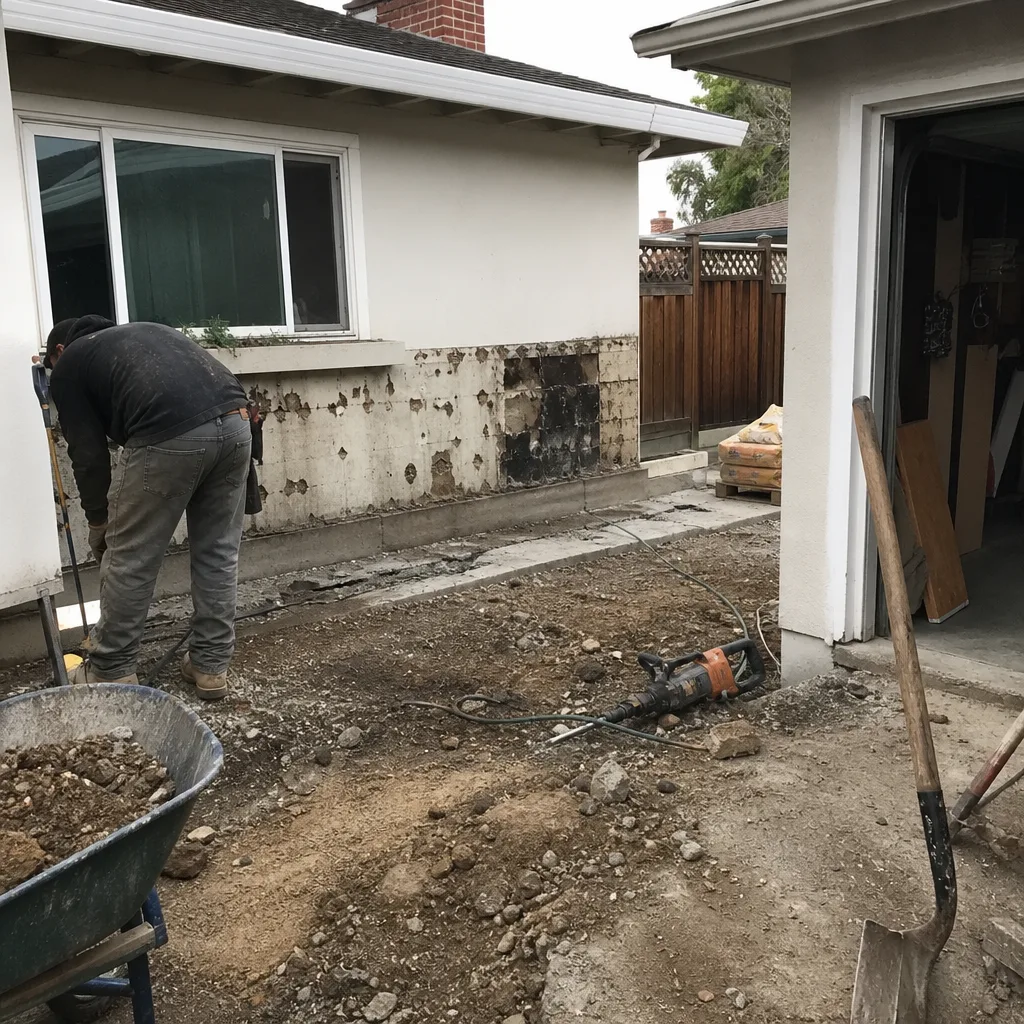 Before
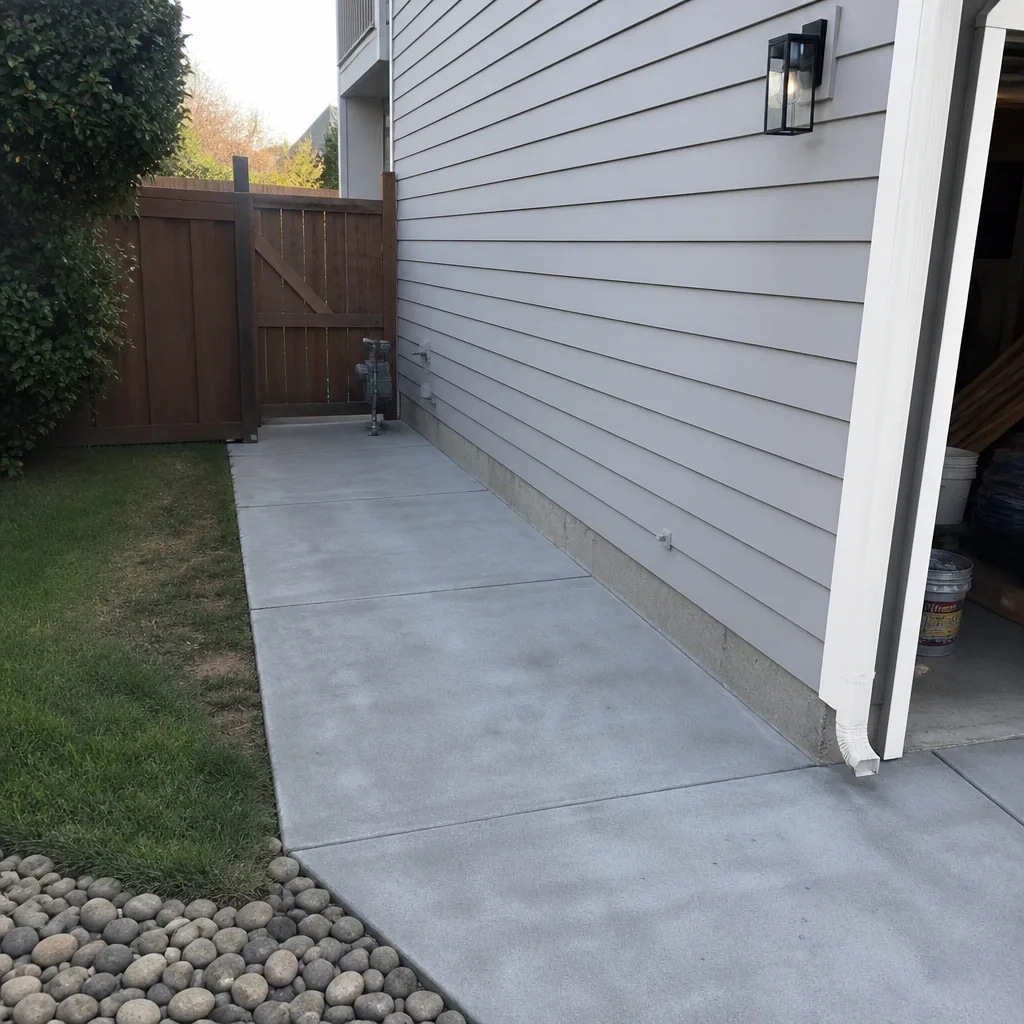 After
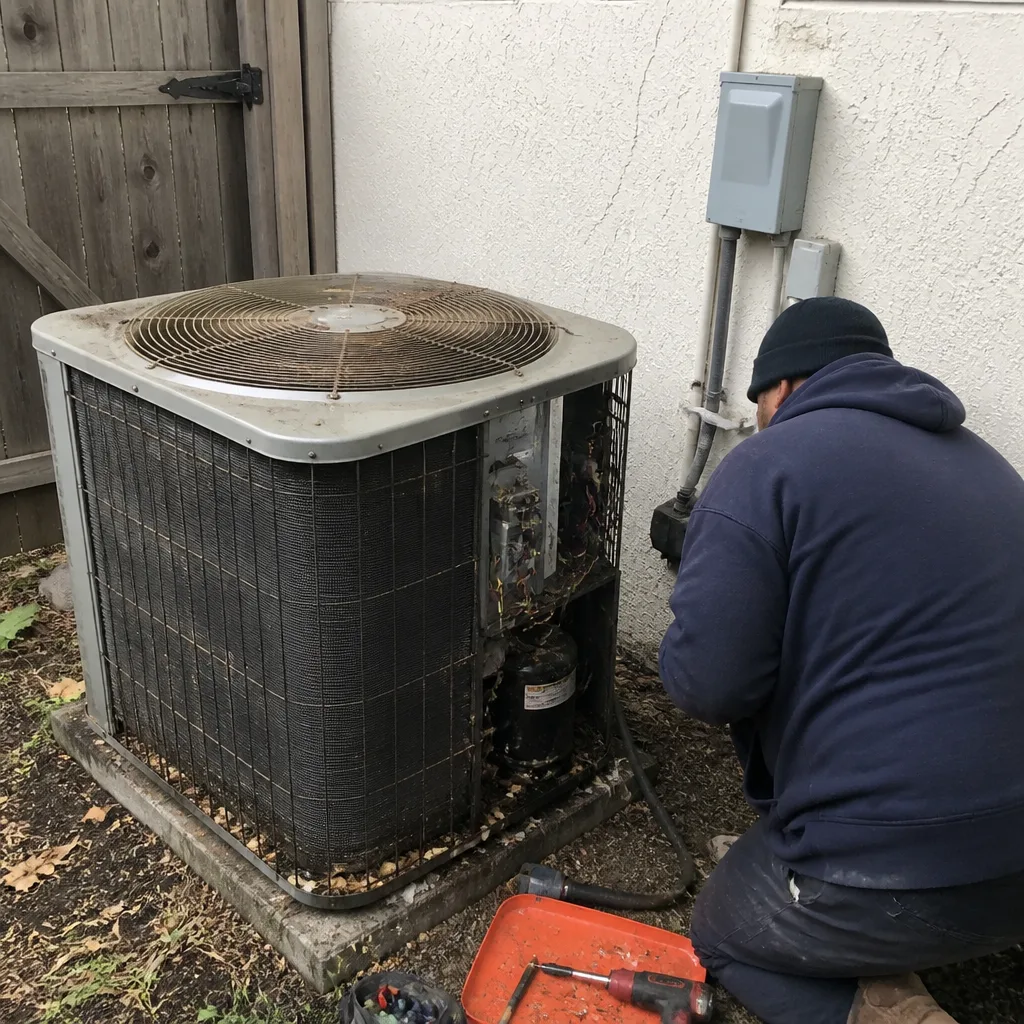 Before
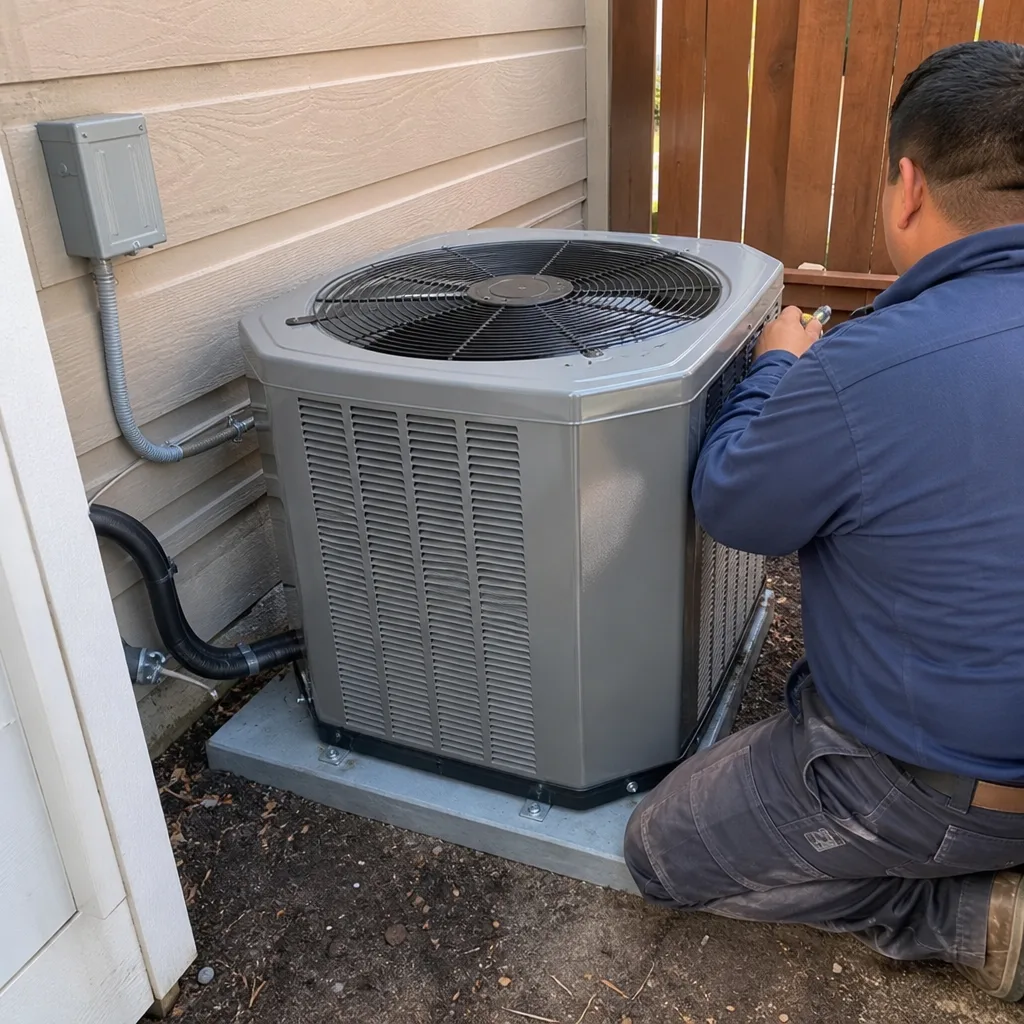 After
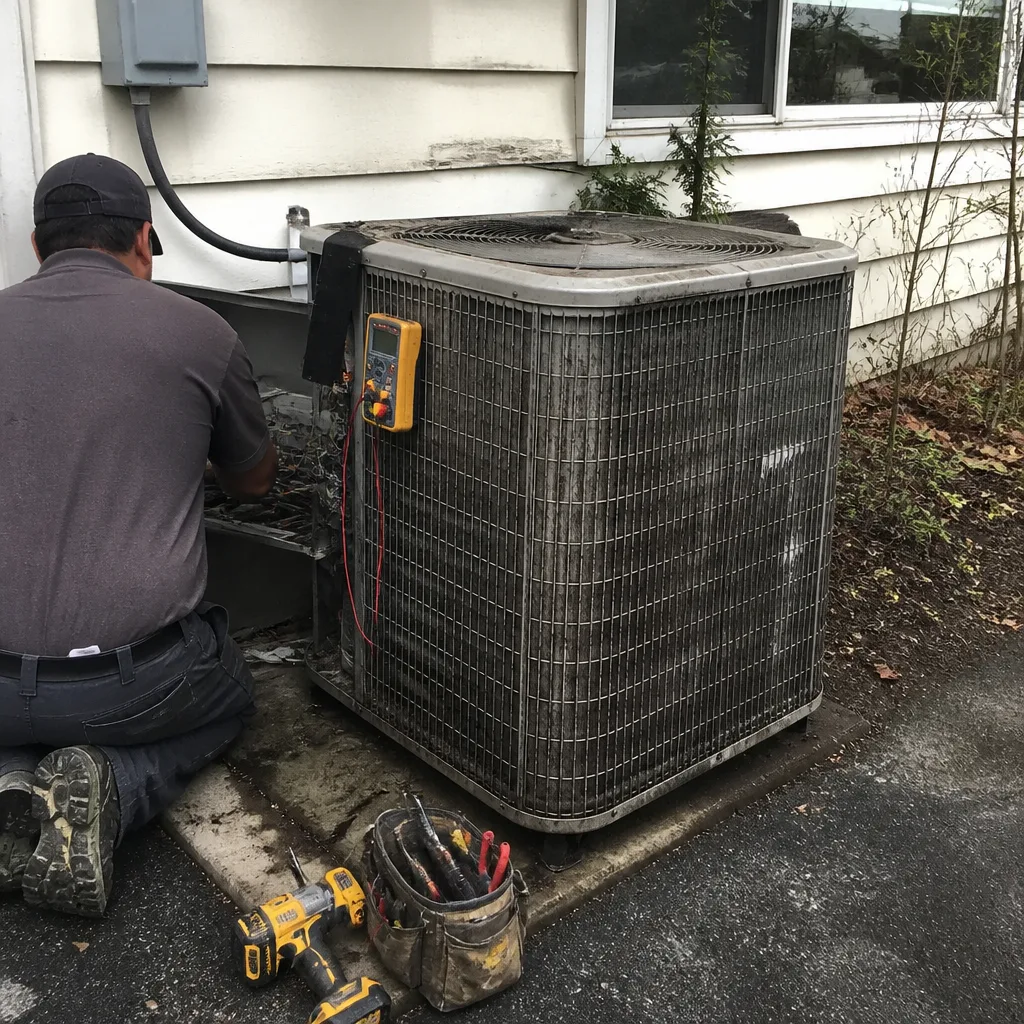 Before
 After