
Last updated October 31, 2026
 Kitchen remodeling
 Bathroom remodeling
 Home additions & ADU
 Roofing
 Windows & doors
 Driveway & pavers
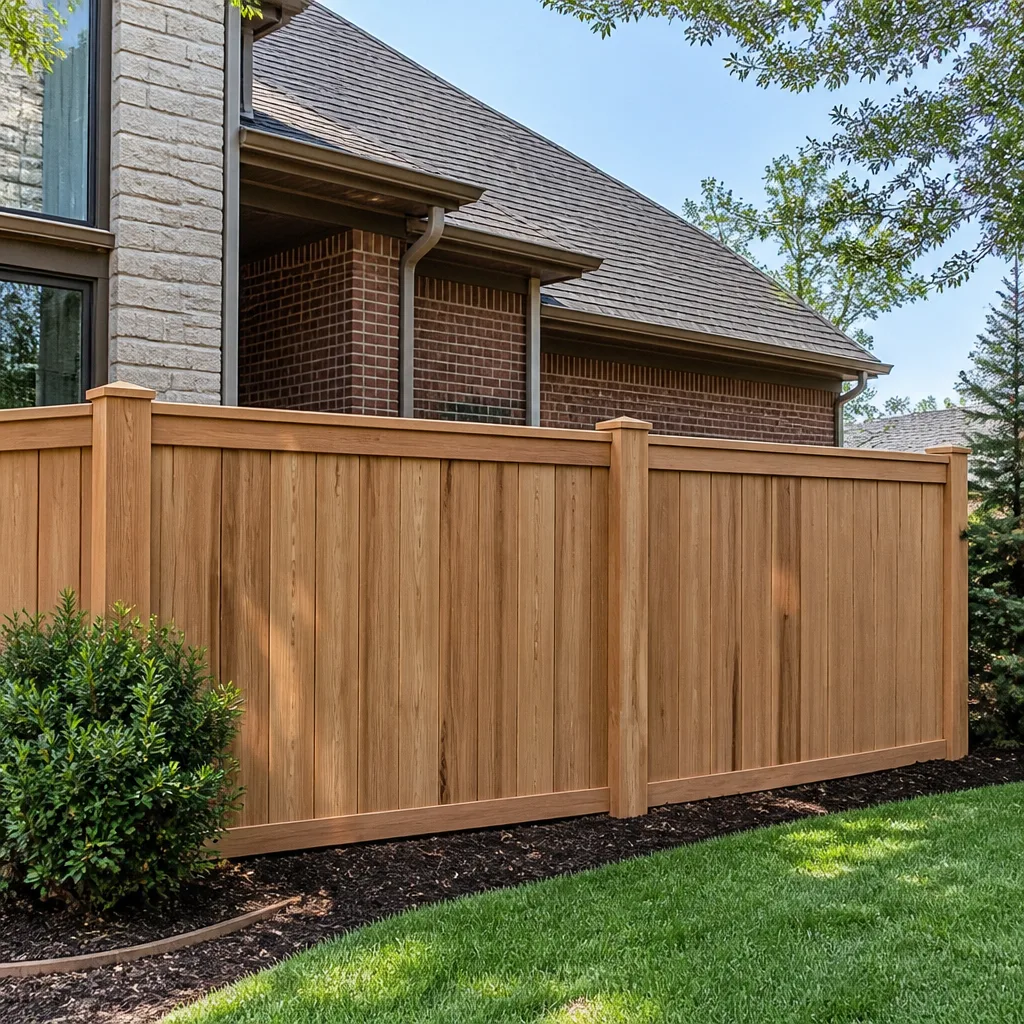 Fence
Free written scope consultation - allowances, timeline, and change-order rules on paper before a single trade is scheduled
How to Hire a Construction Contractor in Foster City: A Step-by-Step Guide
The most common contractor mistake Foster City homeowners make isn’t hiring someone unlicensed. It’s hiring a licensed contractor who has never pulled a permit in San Mateo County and treats the approval process like a formality rather than a six-week technical conversation. This guide walks the entire hiring process from first call to signed contract, with the local accountability layer front and center: HOA design review, county building codes, and the permit history that separates contractors who build in Foster City from contractors who build wherever the phone rings. For more guides & resources on navigating local construction, see our blog. You’ll learn what to verify, what to ask, what belongs in the contract, and which red flags send seasoned homeowners in the other direction.
Quick Answer
To hire a construction contractor in Foster City, verify their California CSLB license, then check their actual permit history with San Mateo County Building Inspection, confirm they’ve navigated Foster City HOA design review before, and get a written contract with specific clauses for change orders, permit delays, and payment schedules. The entire vetting process should take one to two weeks, and the contractor you choose should be able to name the San Mateo County plan check timeline without pausing.
Styles & brands we work with
Table of Contents
- Step 1: Verify the License and Permit History in San Mateo County
- Step 2: Understand Foster City HOA Design Review Before You Sign Anything
- Step 3: Define Your Scope, Then Choose Between a General Contractor and Specialty Subs
- Step 4: Collect Estimates That Actually Compare to Each Other
- Step 5: Review the Contract Clause by Clause
- Step 6: Ask Who’s Actually Doing the Work
- Step 7: Build a Realistic Schedule Around Foster City’s Approval Process
Step 1: Verify the License and Permit History in San Mateo County
Every contractor in California operates under a license issued by the Contractors State License Board, and verifying that license takes three minutes on the CSLB website. But that check only tells you the contractor is legally allowed to work. It doesn’t tell you whether they’ve ever worked in Foster City, or whether their permits sailed through review or got rejected three times for incomplete plans. We’ve seen homeowners hire a contractor with a spotless CSLB record who then spent nine weeks stuck in San Mateo County plan check because the contractor had never submitted a full drawing set to this specific office before.
Here’s how to check the record that actually matters:
- Look up the license number on the CSLB website. Confirm the license is active, the classification matches your project (B for general contractor, C-classifications for specialty trades), and the workers’ compensation insurance is current.
- Ask for three recent Foster City or San Mateo County project addresses. Not just phone numbers of past clients; actual addresses you can use to pull records.
- Search the San Mateo County Building Inspection permit portal. The county maintains a searchable database of building permits. Enter the contractor’s name or license number and see what comes back.
- Look at the permit timeline, not just the permit count. A contractor with fifteen permits issued across San Mateo County over five years is a very different hire than a contractor with one permit issued three years ago.
This step takes an afternoon. Most homeowners skip it entirely. The ones who do it catch problems that would otherwise show up as six-week delays in the middle of a renovation. And in Foster City, where the approval chain runs through HOA architectural committees, county plan check, and sometimes coastal adjacency review, a contractor who has not walked that path in this specific city is learning on your schedule and your budget.
We’re a General Contractor in Foster City, and we pull permits here every month. That familiarity with local reviewers and local codes applies to everything from kitchen remodels to whole-home renovations, and it’s the first thing we recommend homeowners verify when comparing bids.
Step 2: Understand Foster City HOA Design Review Before You Sign Anything
Foster City has one of the densest HOA landscapes in San Mateo County. A large share of homes fall under a homeowners association with architectural guidelines that govern exterior changes: window replacement, roofing material and color, siding, fencing, hardscape, even exterior paint. What many homeowners don’t realize until mid-project is that Foster City HOAs require design review submission before the county permit application goes in. Skip that step, and you’re redoing plans, re-submitting to the HOA, and watching your start date slip by weeks.
Contractors who work in Foster City regularly know which HOAs require what. They know that some associations demand material samples for roofing shingles before approving a home remodeling in Foster City project. They know that exterior changes visible from the street trigger a different review path than interior-only work. They know which HOA committees meet monthly rather than bi-weekly, and they build that into the schedule.
Ask any contractor you interview these three questions:
- Which Foster City HOAs have you submitted design review packages to? If they can’t name at least one or two specific associations, they haven’t done it.
- What goes into a design review package for an exterior project here? The answer should include drawings, material samples, color specifications, and sometimes site photos showing sight lines from neighboring homes.
- How do you sequence HOA approval and county permit submittal? The correct answer is HOA first, county second, and any contractor who suggests otherwise hasn’t built in Foster City.
This is where the accountability layer most guides ignore becomes unavoidable. A contractor’s review of HOA documents before you sign – not after – is one of the strongest signals that they understand the city they’re building in. It’s also one of the areas where a full-scope general contractor earns their fee. When a project touches both interior work and exterior changes, the same person managing the HOA package should be managing the interior permits, the material orders, and the trade schedule. One contact, one accountability chain from roofline to foundation.
Step 3: Define Your Scope, Then Choose Between a General Contractor and Specialty Subs
The single most expensive hiring mistake in Foster City is assembling a roster of specialty subcontractors for a project that needs the right construction partner. A homeowner who hires separate specialists for roofing, windows, siding, and interior finishes is now the project manager. That means tracking four schedules, resolving disputes between trades, absorbing delays when one trade’s work depends on another’s, and owning liability when something fails. Homeowners shouldn’t have to be their own GC, and in Foster City, where a single project can span HOA review, county permits, and multiple trades, that coordination burden compounds fast.
A general contractor is the right hire when your project touches two or more systems that need to work together. That’s true for a full home remodel where cabinetry, countertops, plumbing fixtures, flooring, and painting all need sequencing. It’s true for an exterior transformation where roofing, siding, windows, and hardscape all connect at the envelope. It’s true for an ADU or prefab addition, where site work, foundation, utility connections, and finished interiors all flow through the same permit and inspection chain.
We work as that single point of accountability across the full scope. We source from over 50 manufacturers, which means a homeowner choosing cabinetry can compare KraftMaid and Wellborn lines next to Cambria and Silestone countertops, and the same contract covers the roof above those cabinets if the project extends that far. A specialty sub can offer one trade. A general contractor offers the project. In Foster City, where project delays compound through the approval chain, that distinction is the difference between a renovation that finishes on schedule and one that stalls for months while homeowners try to coordinate trades themselves.
Here’s a simple test we suggest to every homeowner:
- List every scope involved in your project. Interior finishes, exterior structure, utility work, hardscape.
- Ask whether any two scopes physically connect. Roofing ties into siding. Windows tie into exterior trim. Kitchen plumbing ties into walls and flooring.
- If two or more scopes connect, hire a general contractor. The connections are where schedules break and accountability disappears.
If you’re planning an interior remodel, a home renovation in Foster City with a single contract and single project manager avoids the classic problem where the cabinet installer blames the drywall crew, the drywall crew blames the electrician, and you’re stuck in the middle holding four Change Orders.
Step 4: Collect Estimates That Actually Compare to Each Other
Most homeowners collect three estimates and compare the bottom line. That’s the wrong comparison. A $48,000 estimate and a $73,000 estimate for the same described project usually aren’t estimating the same scope. The lower bid omits things: permit fees, HOA submission time, material allowances at a realistic tier, subcontractor cleanup, site protection, waste disposal. What looks like savings on page one of the estimate turns into Change Order after Change Order once the work starts.
Here’s how to collect estimates that actually compare:
- Give every contractor the same written scope. Not a verbal description. A written list of everything included, room by room, system by system, finish level by finish level.
- Ask for a line-item breakdown, not a lump sum. At minimum, separate labor, materials, permits, and contingency. A contractor who gives you a single number with no breakdown is asking you to trust them without evidence.
- Ask what material allowances assume. “Cabinetry allowance: $6,000” means something very different at entry-level stock than it does at KraftMaid or Wellborn grade. If the contractor can’t name the product brands their allowances support, the estimate isn’t real.
- Ask what’s excluded. Dumpster fees. HOA resubmission fees. Structural discoveries once walls open. If the contractor says “nothing is excluded,” ask again, in writing.
In our experience, a Foster City estimate that doesn’t mention HOA design review or San Mateo County permit fees is incomplete by definition. Those costs are part of building here. Contractors who bury them or omit them aren’t doing homeowners a favor; they’re setting up a change order down the line.
We write fixed-price contracts with permitted work scoped honestly up front. That means the number we quote includes the permitting path we actually expect to walk. If a homeowner asks us to compare cabinet lines, we show them what Wellborn costs next to KraftMaid and what Cambria costs next to Silestone, so the material decisions drive the budget, not surprises later.
Step 5: Review the Contract Clause by Clause
California contractors use standard contract forms, but the clauses that matter in Foster City are the ones most homeowners never read. Three clauses in particular determine whether a project stays on track or unravels halfway through: change order authority, permit delay contingencies, and building department relationship.
Change order authority. The contract should state exactly who can authorize a change order and in what form. A verbal “go ahead” to a site supervisor is not a change order, but some contractors act like it is when the bill comes. Require that every change order be in writing, signed by both parties, with a stated price and schedule impact, before any changed work starts.
Permit delay contingencies. San Mateo County plan check timelines vary by workload and project complexity. Your contract should address what happens when the county issues comments that require plan revisions. Does the contractor absorb that time? Do you? What happens if HOA design review sends the plans back for changes? Foster City homeowners who miss this clause discover it mid-project, when the schedule has already slipped and no one owns the delay.
Building department relationship. The contract should state that the contractor is responsible for permit submittal, plan check response, and inspections. Not the homeowner. Homeowners pulling their own owner-builder permits on a major remodel is a red flag in itself; the person who signs the permit should be the person managing the build. Ask any contractor who handles the relationship with San Mateo County Building Inspection. If the answer is “we do,” get it in the contract.
There are other clauses worth confirming too: payment schedule tied to inspection milestones rather than calendar dates, a defined process for material substitutions if a specified product is backordered, and a clear statement of the contractor’s license number and workers’ compensation policy on the contract itself.
Read the whole contract. Ask questions about anything ambiguous. A contractor who resists answering contract questions or rushes you to sign is revealing more about how they’ll handle the project than any written clause ever could.
Step 6: Ask Who’s Actually Doing the Work
A contractor can be fully licensed, fully insured, and still subcontract every trade to people you’ve never met. That’s not inherently a problem; most general contractors use specialty subs for electrical, plumbing, and HVAC. What matters is whether the contractor discloses who those subs are, whether the subs are licensed and insured themselves, and whether anyone is actually managing them on your project.
Here’s the disclosure we recommend homeowners request before signing:
- Which trades will be subcontracted, and which are done in-house? The answer tells you what “we” means when the contractor says “we do the work.”
- Are the subcontractors licensed in California? Each licensed trade should hold a valid CSLB license in their classification. An unlicensed sub working on a permitted project can trigger stop-work orders.
- Who manages the subs day to day? If the answer is a project manager employed by the general contractor, good. If the answer is “they manage themselves,” you’ve just been handed a coordination job you didn’t bid on.
In Foster City, where a project can span roofing, siding, windows, hardscape, and interior finishes, the difference between in-house capability and full subcontracting shows up in the schedule and the quality of the transitions between systems. A contractor who handles hardscape in-house through Belgard, Unilock, or Techo-Bloc pavers is accountable for the driveway and the patio directly. A contractor who subs hardscape to a landscaper has added a layer of coordination and a layer of blame-shifting when the paver edge doesn’t meet the new siding line.
Our approach is different by design. We’re a full-scope general contractor: one contract, one project manager, one point of contact for remodels that touch multiple systems inside and outside the home. The homeowner gets one person to call, regardless of which trade is on site that day. That’s not a marketing line; it’s the structure of the contract and the structure of the site. It’s also the reason we can work with Bufftech or ActiveYards fencing next to a Belgard paver patio next to James Hardie siding next to a full kitchen remodel, all under the same roof and the same accountability.
Step 7: Build a Realistic Schedule Around Foster City’s Approval Process
Every contractor interview should include one question: “Walk me through the schedule from signed contract to completed project, including approvals.” A contractor who can answer this specifically for Foster City is a contractor who has built here. A contractor who gives a generic timeline is guessing.
Here’s what a realistic schedule for a mid-size exterior or mixed-scope project looks like in Foster City:
- Design and scope confirmation: 2-4 weeks, depending on whether drawings already exist or the contractor produces them.
- HOA design review submission: 1-2 weeks to prepare the package, then 2-6 weeks for committee review depending on the HOA’s meeting cadence.
- San Mateo County permit submittal and plan check: 2-8 weeks depending on project complexity, county workload, and the completeness of the drawings.
- Material ordering: 2-12 weeks for cabinetry, custom windows, specialty doors, or prefab components.
- Construction: Project-specific, but a contractor schedules trades based on permit issuance and material arrival, not on an optimistic start date.
The schedule in Foster City is built from the approval chain backward. Contractors who quote a start date without walking through the HOA and county steps are setting up a delay. Contractors who work in Foster City year-round regularly factor in the monthly HOA committee cycles, the county plan check response windows, and material lead times, then give you a schedule that holds.
Permit timelines vary. What doesn’t vary is the sequence: HOA review, then county permit, then material order, then construction. When a contractor reverses that order or skips a step, the schedule breaks. In Foster City, the six-week technical conversation with the building department is part of the job, not an obstacle to the job. The contractor you hire should treat it that way.
Common Mistakes to Avoid
- Hiring the first contractor who answers the phone. A responsive contractor is a good signal, but responsiveness during the sales phase doesn’t tell you anything about how they’ll perform when change orders and permit comments pile up. Vet at least three contractors against the steps above.
- Treating the HOA design review as optional. Foster City HOAs can stop a project that skipped their review, even after county permits are issued. The sequence matters, and contractors who skip it cost homeowners weeks in schedule and sometimes thousands in revised drawings.
- Comparing estimates by bottom line only. A low bid that omits permits, HOA fees, and realistic material allowances isn’t a better deal; it’s a list of change orders waiting to happen. Compare line items, not totals.
- Signing a contract without a change order clause. Verbal approvals become unbilled surprises fast. Every change order should be written, signed, priced, and scheduled before work starts.
- Hiring a specialty sub for a multi-scope project. When roofing, siding, windows, and hardscape all connect, a homeowner acting as their own GC is absorbing liability and coordination burden that a general contractor is paid to carry.
- Not asking who pulls the permit. The person who signs the permit is the person accountable for inspections and code compliance. If a contractor asks you to pull an owner-builder permit on a major remodel, pause and ask why.
- Believing a contractor’s review profile without checking permit history. Reviews tell you about customer service. Permit records tell you about technical competence in this specific jurisdiction. A contractor with five-star reviews and zero Foster City permits is a risk.
See the difference
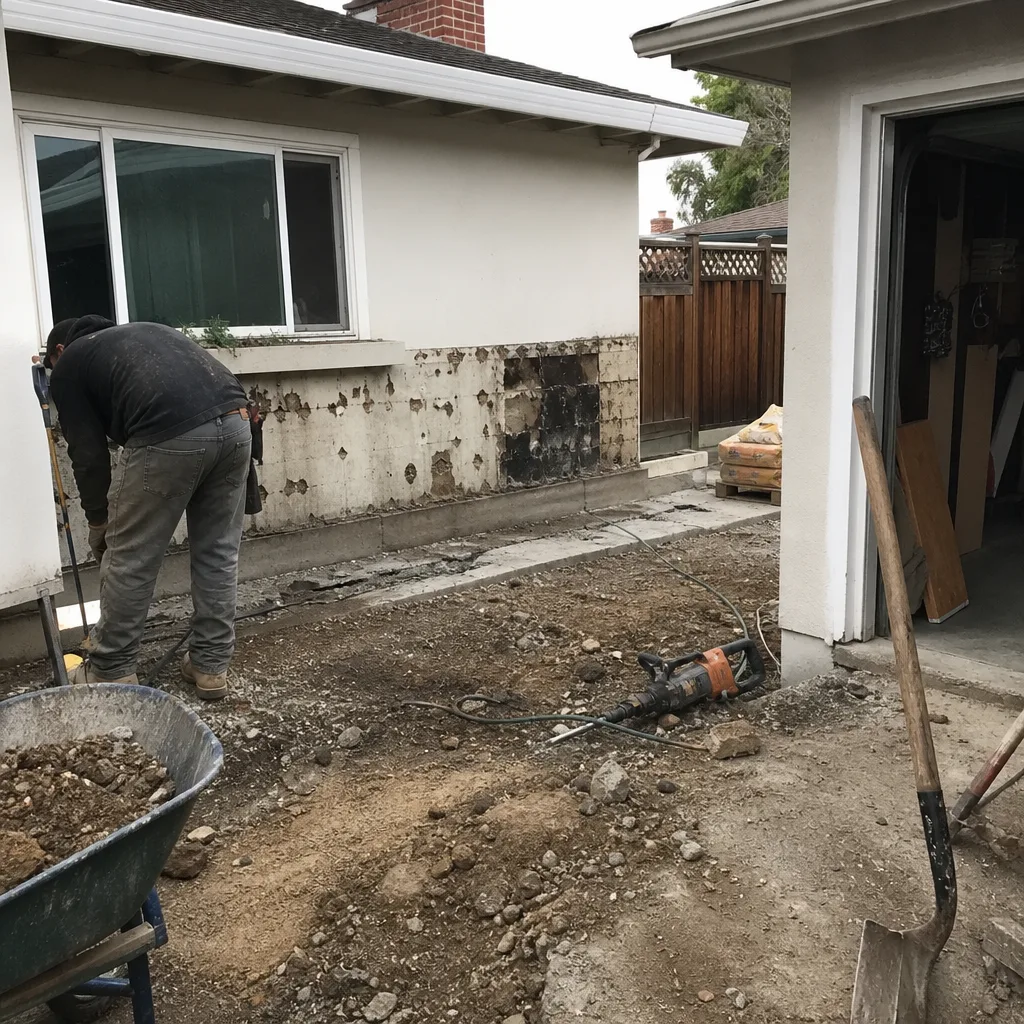 Before
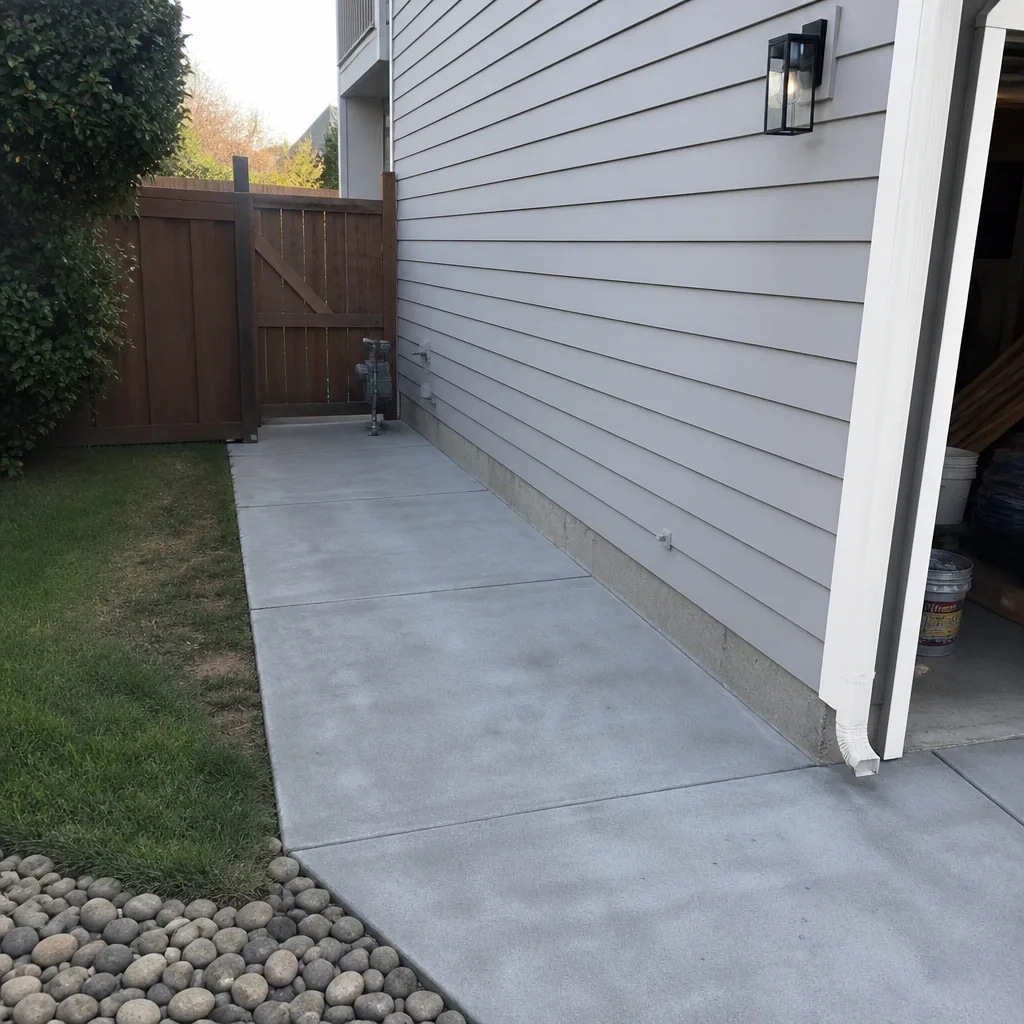 After
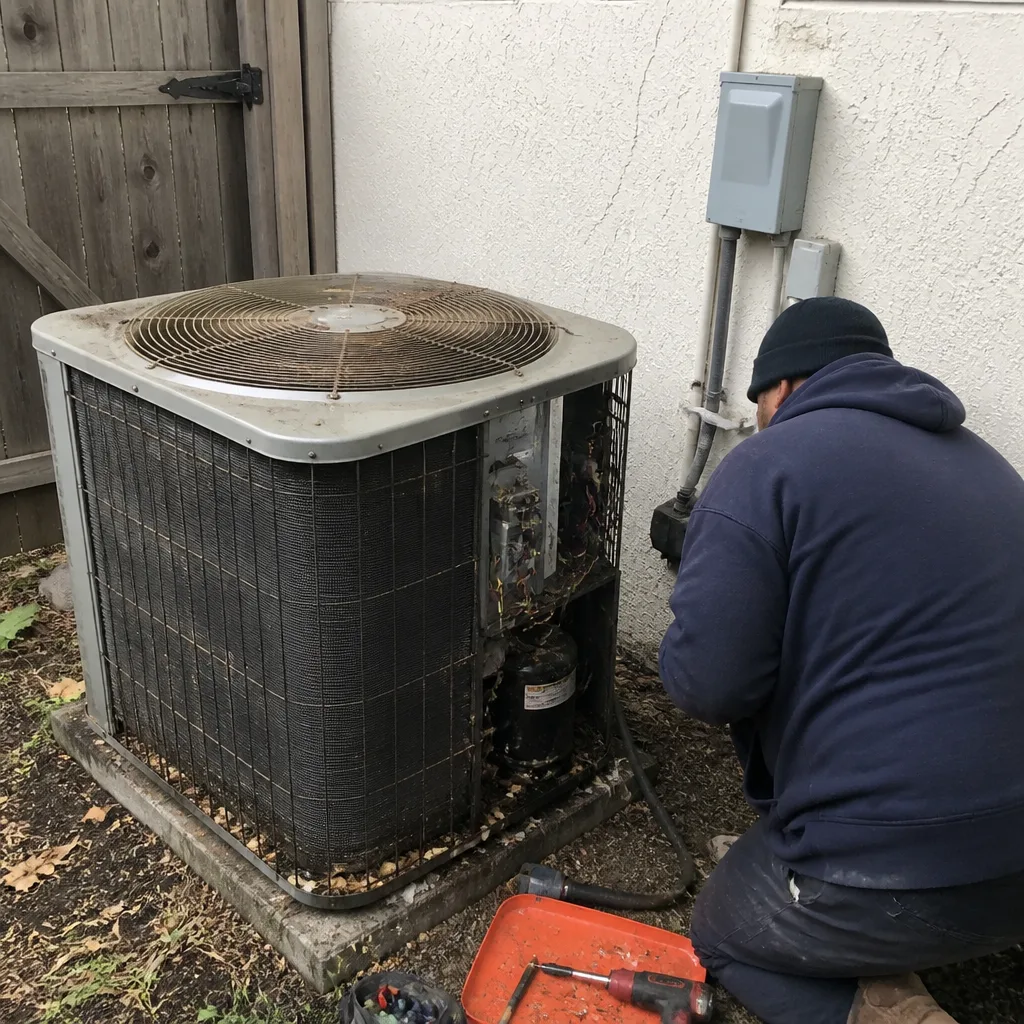 Before
 After
 Before
 After
When to Call a Professional
Some renovation work in Foster City is genuinely DIY-appropriate: painting an interior accent wall, replacing cabinet hardware, switching out a light fixture where wiring is already present. But the moment a project touches structure, envelope, permitting, or multiple connected systems, the professional call is the right call. That includes any work requiring a San Mateo County permit, any exterior change visible from the street, any roofing or siding work where water intrusion becomes a structural risk, and any remodel that moves walls or changes plumbing or electrical. The cost of a professional isn’t just the labor and materials; it’s the permit-pulling track record, the HOA familiarity, and the insurance that stands behind the work. Ashford Contractors offers free estimates in Foster City, call (877) 752-3868 to talk through your project scope and get a written, line-item quote.
Frequently Asked Questions
In our experience, a mid-size interior remodel in Foster City typically runs from $60,000 to $180,000 depending on scope, finish level, and material choices, while a full interior and exterior renovation can range from $200,000 to $600,000 or more for larger homes with premium finishes. The range is wide because a kitchen with KraftMaid cabinetry and Cambria countertops costs very different from one with stock cabinets and laminate. Call (877) 752-3868 for an exact quote, and we’ll walk you through what drives the number.
Most projects in Foster City go through San Mateo County for building permits, and plan check timelines currently run roughly two to eight weeks depending on project complexity, county workload, and whether the submitted drawings are complete enough to pass first review, with HOA design review adding another two to six weeks before county submittal for exterior work. Contractors who work in this jurisdiction regularly factor both layers into their schedule from the start.
You need HOA design review approval for any project that changes the exterior appearance of your home, including roofing, siding, windows, fencing, hardscape, and exterior paint, and many Foster City HOAs also require notification for interior work that affects shared walls or structural elements. Check your HOA’s architectural guidelines before signing a contract, and make sure your contractor sequences HOA approval before county permit submittal.
Hire a general contractor if your project touches two or more connected systems, like roofing and siding, kitchen and flooring, or interior finishes and exterior envelope, because a GC provides one contract, one project manager, and one point of accountability across every trade. Specialty subs make sense for single-scope projects like one bathroom’s tile or one room’s paint, but coordinating multiple subs on a larger Foster City remodel often costs more in time and mistakes than a GC’s markup.
Search the San Mateo County Building Inspection permit portal using the contractor’s name or CSLB license number, and look not just at how many permits they’ve pulled but whether those permits are in Foster City or the surrounding county area and whether the projects resemble yours in scope. A contractor with a solid local permit record has already navigated the HOA and county approval chain that your project will face.
The price should only change through documented, signed change orders that you authorize in writing before the additional work begins, and a contractor who says the estimate is “more of a starting point” is telling you the contract doesn’t protect you. Our fixed-price contracts include the permitting path and the material allowances we quote up front, so the number you sign is the number you plan around. Call (877) 752-3868 for an exact quote, estimates are free.
The Bottom Line
Hiring a construction contractor in Foster City means hiring for this city’s specific approval reality: HOA design review first, San Mateo County permit second, construction third. The contractor who has walked that path before is worth more than the contractor with a bigger review profile. Verify the CSLB license, pull the actual permit history, ask who does the work and who pulls the permit, and read the contract clauses that will matter when the county sends back comments or the HOA schedules another review cycle. A full-scope general contractor gives you one person accountable for the whole project, from the roofline to the foundation. If you’re ready to talk through your project with someone who knows Foster City, call (877) 752-3868 or visit the Ashford Contractors home page to get started.
Written by the team at Ashford Contractors, serving Foster City since 2013.