
Last updated October 31, 2026
 Home additions & ADU
 Kitchen remodeling
 Bathroom remodeling
 Roofing
 Windows & doors
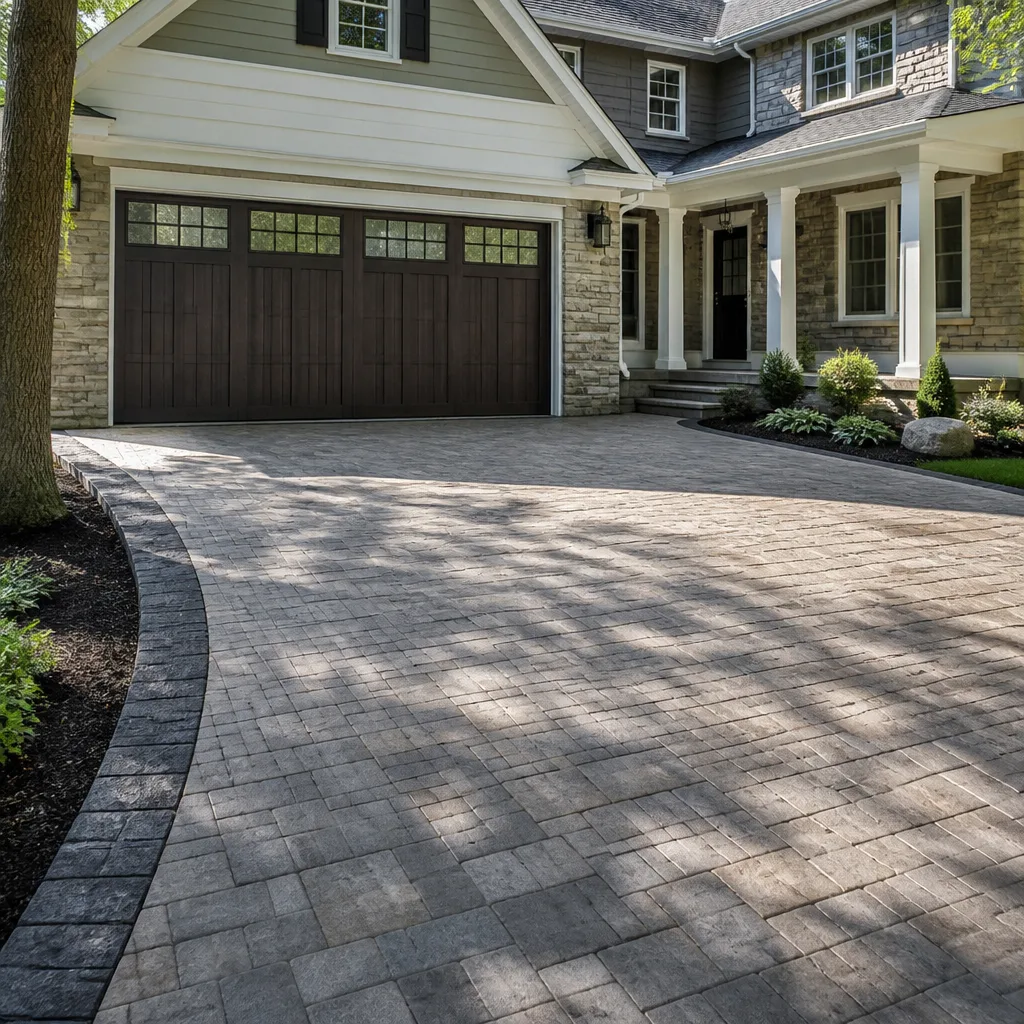 Driveway & pavers
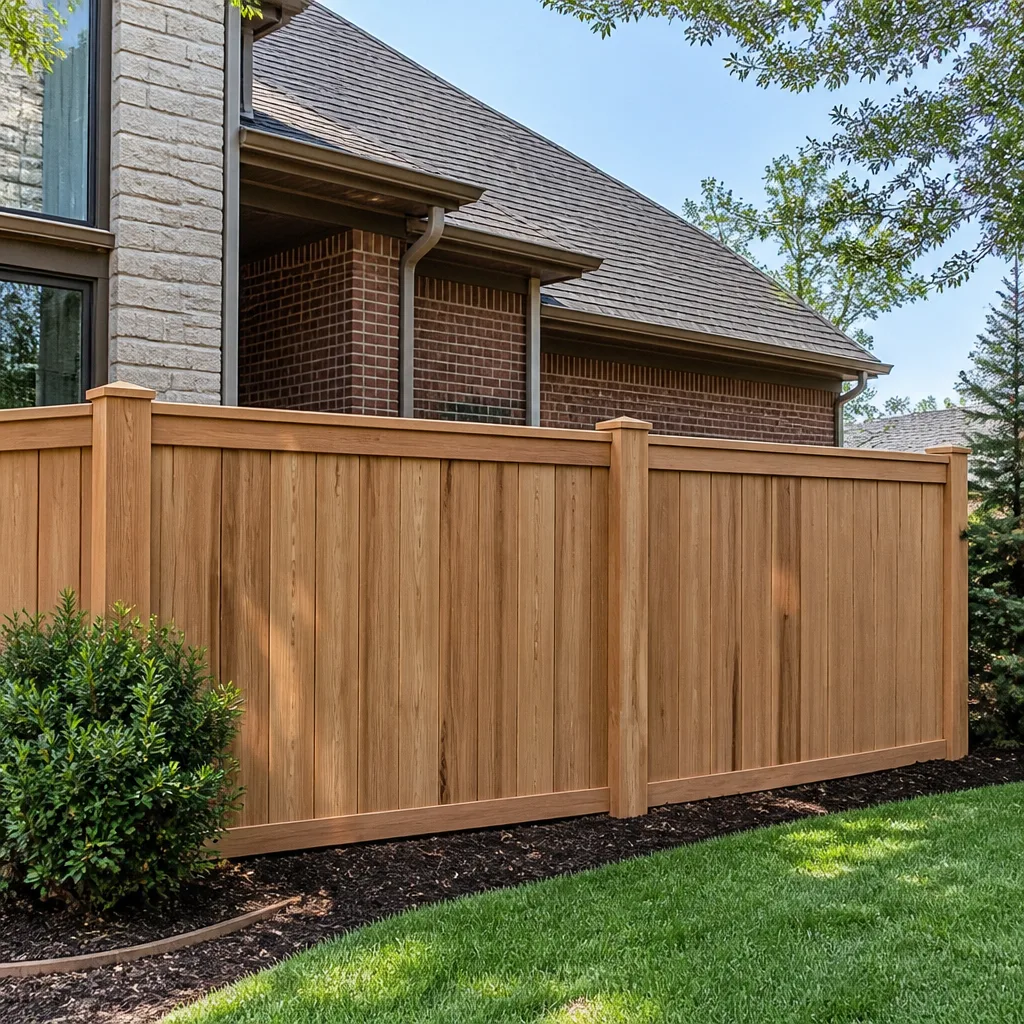 Fence
Free written scope consultation - allowances, timeline, and change-order rules on paper before a single trade is scheduled
General Contractor Maintenance Checklist for Foster City Homeowners
A Foster City home sitting 200 feet from a lagoon channel degrades at a measurably faster rate than the same home in San Mateo. Salt-laden air accelerates corrosion on fasteners, flashing, and window frames, and the reclaimed land beneath most of the city’s 1960s-to-1980s housing stock shifts in ways that newer subdivisions never will. This guide covers what to inspect, when to inspect it, and what early deterioration actually looks like before it becomes a five-figure project, while our more guides & resources cover related topics in depth. If you own a home in Foster City, this is the checklist generic maintenance articles never gave you.
Quick Answer
A Foster City home maintenance checklist should prioritize four things: salt-air corrosion on exterior metals, foundation settlement on bay fill lots, roof and gutter timing around fog-heavy winters, and waterfront drainage on lagoon-adjacent properties. Most homeowners should inspect exterior fasteners and window frames twice a year, monitor door gaps and floor slope quarterly, clean gutters before November and again in March, and walk the exterior perimeter after every winter storm season. The full checklist below breaks each system into specific inspection points, warning signs, and repair triage.
Styles & brands we work with
Table of Contents
- Salt-Air Corrosion: The Foster City Accelerant
- Foundation and Slab Settlement on Bay Fill
- Roof and Gutter Timing for Fog-Heavy Winters
- Waterfront Lot Exterior Checks
- Siding, Windows, and Exterior Envelope
- Interior Systems That Reveal Exterior Problems
- Triage: DIY, Trade Repair, or Full Contractor Scope
- Common Mistakes to Avoid
- When to Call a Professional
- Frequently Asked Questions
Salt-Air Corrosion: The Foster City Accelerant
Foster City’s lagoons and proximity to the Bay create a microclimate that most home maintenance guides ignore entirely. Airborne salt particles settle on exterior metal surfaces and, combined with morning fog condensation, form a mild saline solution that eats through protective coatings far faster than inland air does. We’ve inspected Foster City homes where galvanized fasteners installed in the 1990s showed visible rust blooms within five years, while identical fasteners in Belmont homes from the same era were still holding their zinc coating.
The inspection routine is straightforward, but consistency matters more than thoroughness on any single pass. Salt damage compounds silently, and the difference between a surface stain and structural degradation is usually measured in months, not years.
What to Inspect Every Six Months
- Exterior fasteners and bracket hardware: Check every visible screw, nail head, and metal bracket on siding, trim, railings, and deck connections. Look for rust staining that bleeds onto surrounding material – that orange-brown halo means the zinc coating has failed and the steel beneath is actively oxidizing.
- Aluminum window frames: Foster City’s 1960s and 1970s inventory is heavy on single-pane aluminum windows. Salt air causes pitting and white powdery corrosion at the frame corners, especially on the windward side of the home. Run a finger along the bottom track. If it feels gritty or chalky, the frame is degrading and will eventually compromise the seal.
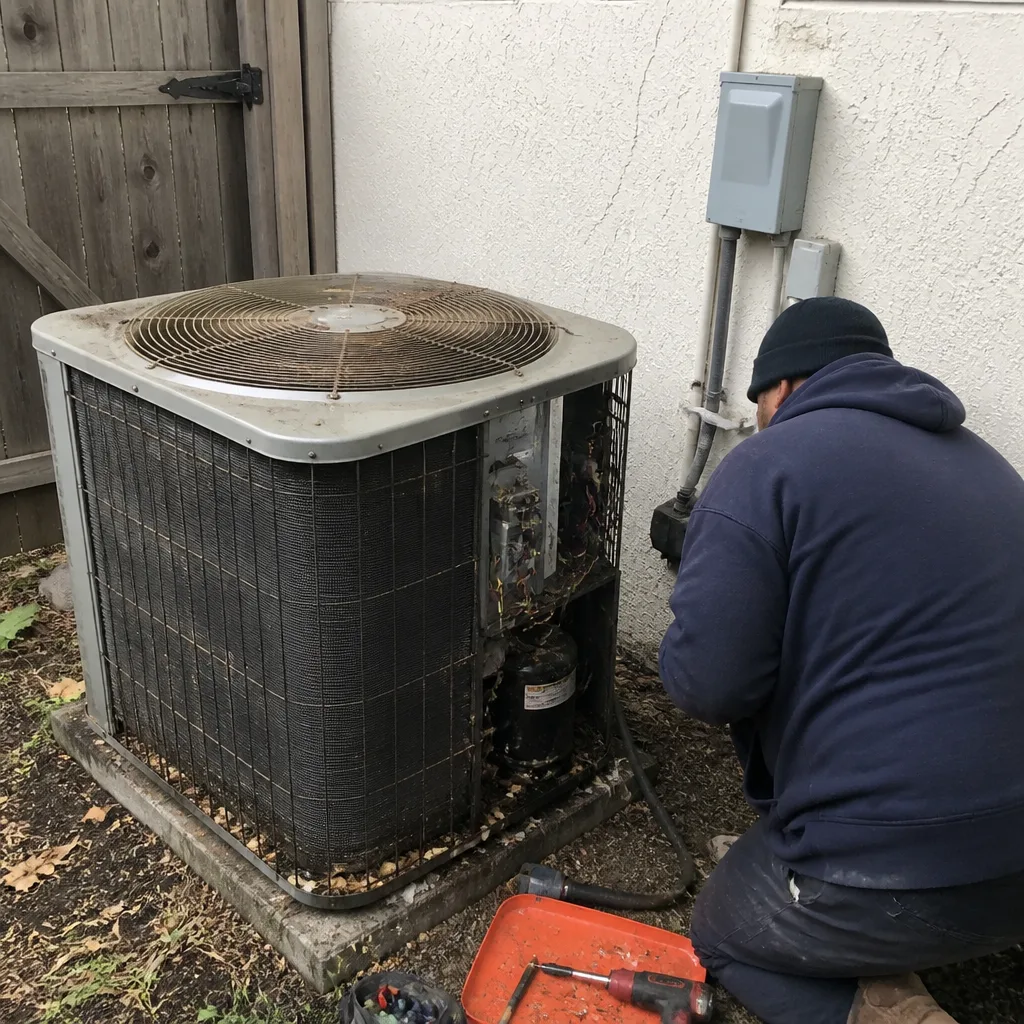
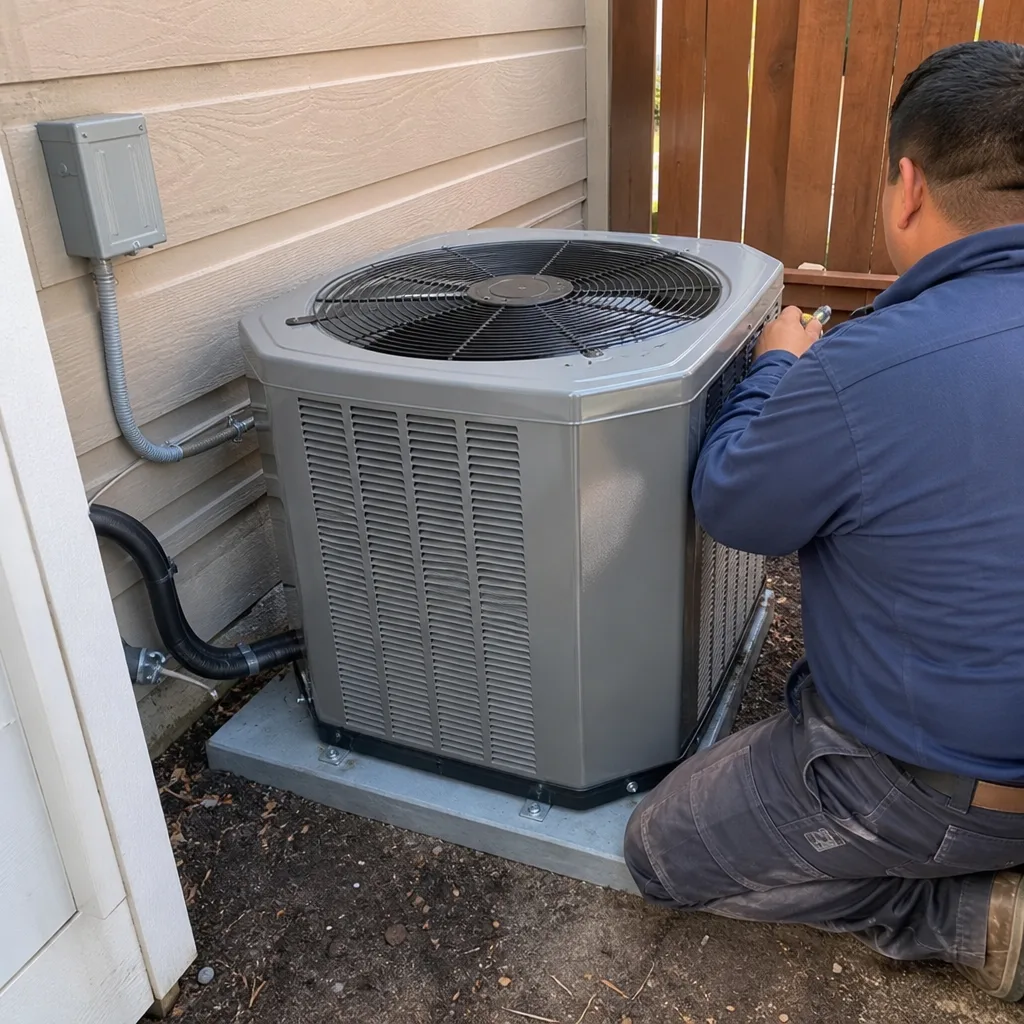
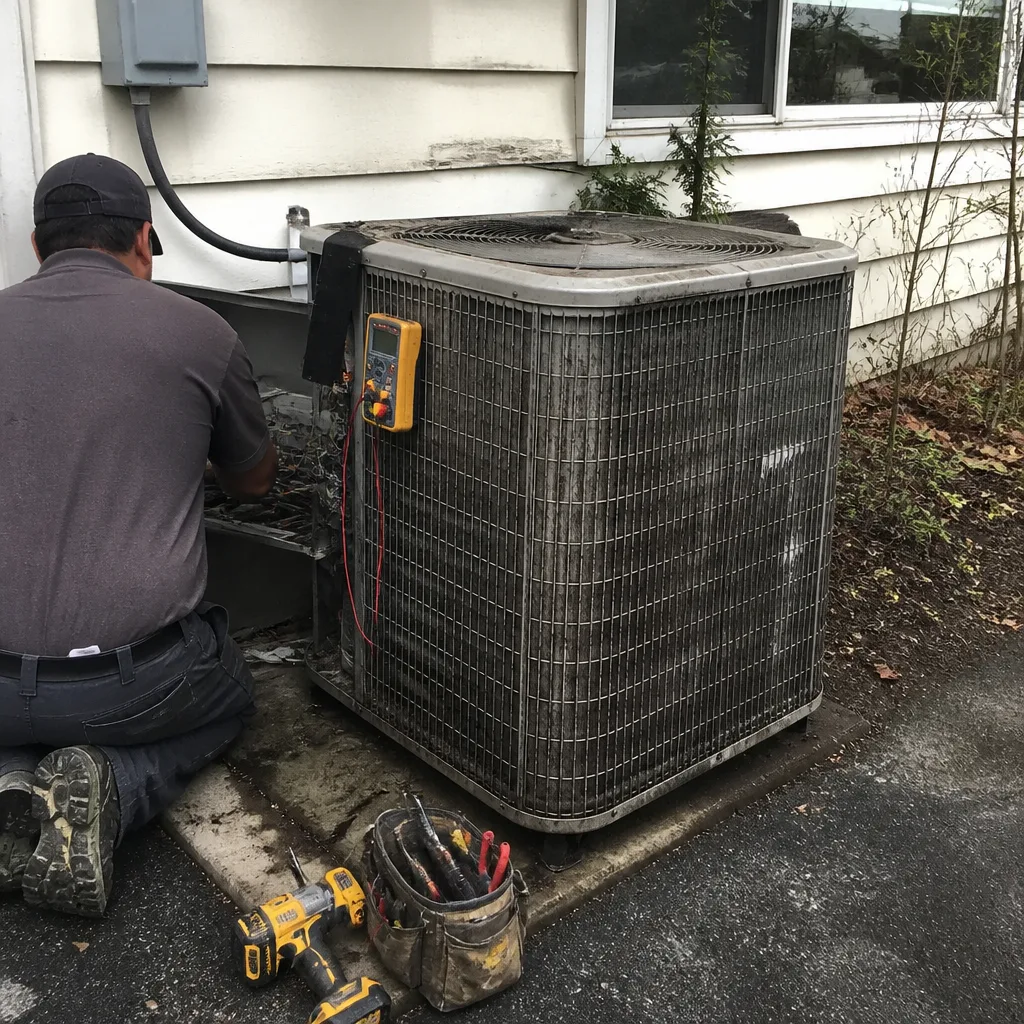
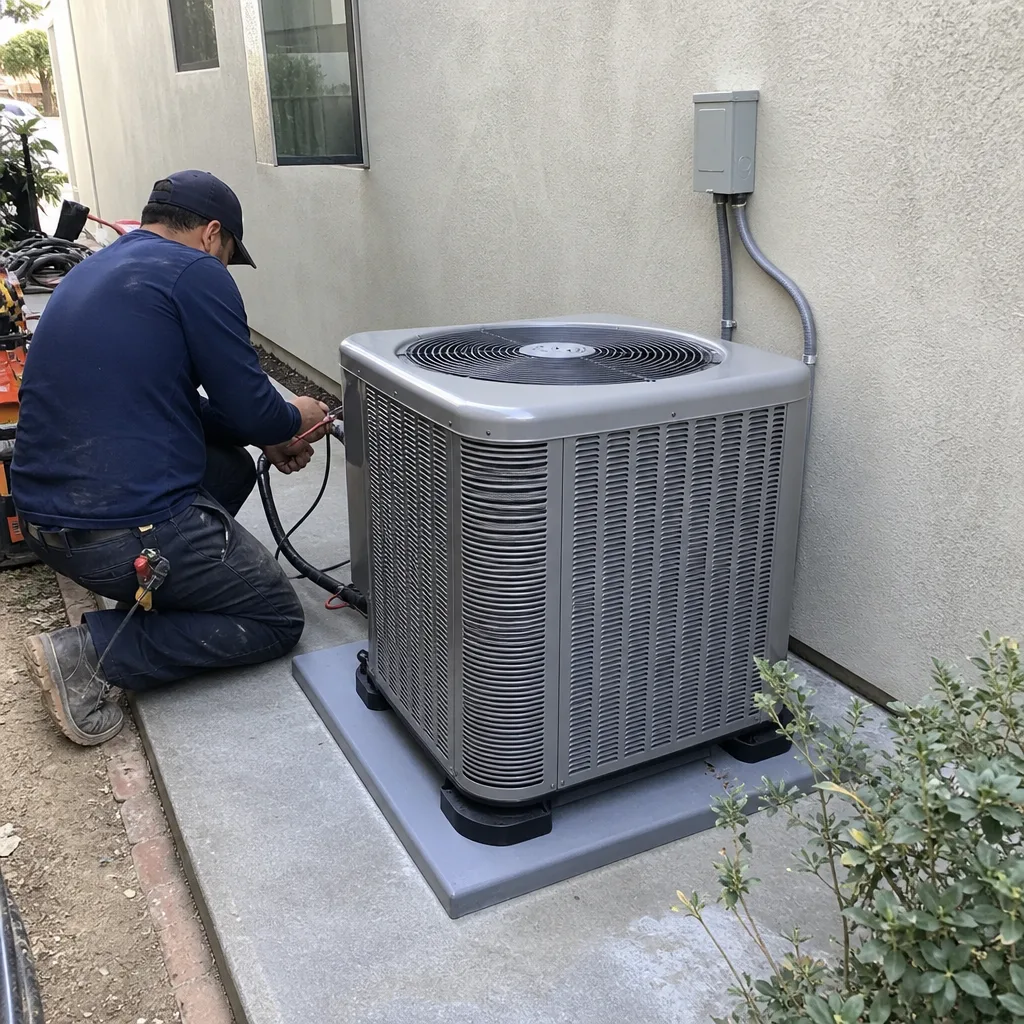
- HVAC condenser units: Condenser fins are thin aluminum and sit outside year-round. Salt deposits accumulate on the coil, reducing efficiency and corroding the fins. Inspect the condenser cabinet for rust at the base and along seam welds. A unit that looks weathered after three summers in Foster City needs a corrosion-resistant replacement or at minimum a fin cleaning and protective coating.
- Exterior metal railings and gates: Wrought iron and steel railings on lagoon-side homes corrode from the inside out. Tap suspect areas with a screwdriver handle – a dull thud instead of a sharp ring often means internal rust. Check post bases where they meet concrete, as water pools there and accelerates the process.
For homes built before 1980, any original exterior metal that hasn’t been replaced is past its service life in this environment. The question isn’t whether it’s corroding; it’s how far the corrosion has progressed. A General Contractor in Foster City can assess whether what you’re seeing is cosmetic or structural, but the six-month inspection cadence above will catch most problems before they cross that line.
Foundation and Slab Settlement on Bay Fill
Nearly all of Foster City sits on engineered fill placed over former tidal marshland. That fill has been settling since the 1960s, and while the rate has slowed considerably, it hasn’t stopped. Homes in the city exhibit settlement patterns you won’t find in the hillside neighborhoods of San Mateo or Belmont, and distinguishing historic settling from active movement is the most valuable skill a Foster City homeowner can develop.
Here’s what active settlement looks like versus what’s been stable for decades.
Signs of Active Movement (Monitor Quarterly)
- Door frame gaps that change seasonally: A door that sticks in winter and swings freely in summer suggests the slab is responding to moisture changes in the underlying fill. Measure the gap between the door and jamb at the top corner. If it varies more than 1/8 inch across seasons, the slab is still moving.
- New or widening cracks in floor slab or perimeter foundation: Hairline cracks under 1/16 inch are common in Foster City slabs and typically historic. Cracks wider than 1/8 inch, especially if they show vertical displacement (one side higher than the other), warrant professional evaluation.
- Stair-step cracks in exterior stucco or brick: Cracks that follow mortar joints in a stair-step pattern indicate differential settlement – one part of the foundation is dropping faster than another. This is more serious than a single vertical crack.
- Gaps between baseboards and flooring: Interior drywall is brittle. When a slab settles unevenly, baseboards pull away from floors or crown molding separates at corners before the foundation crack is visible from outside.
For most Foster City homes, the practical advice is this: document what you see, compare it quarterly, and don’t panic over a crack that hasn’t changed since 1987. If you’re seeing active change, a foundation specialist can determine whether it’s localized fill compaction or something requiring intervention. Before that, though, walk the home with a comprehensive Home Remodeling in Foster City professional who can map the symptoms to specific systems – settlement shows up first in drywall, doors, and windows, not just concrete.
Roof and Gutter Timing for Fog-Heavy Winters
Generic advice says to clean gutters in fall and spring. Foster City’s climate demands a tighter schedule. The city’s summer fog pattern means roofs stay damp through July and August, while winter rains arrive fast and sit for months. Moss, algae, and debris accumulate on a different cycle than they do in drier Peninsula cities, and gutters clog faster.
The biggest roofing issue in Foster City isn’t the shingles failing – it’s the flashing and underlayment degrading in the salt air while the visible roof surface still looks fine. Most homeowners only discover this when water starts staining the ceiling, which means the leak has already been working its way through the assembly for months—see our General Contractor Troubleshooting: Common Problems and How to Fix Them for early warning signs.
Seasonal Schedule
- Late October through mid-November: Clean gutters and downspouts after the first leaf drop but before winter rains become constant. Check gutter seams and end caps for rust or separation. In Foster City, galvanized gutters from the 1970s and 1980s are common and often corroded at the seams.
- March: Second gutter cleaning after winter storms. Inspect roof flashing around chimneys, skylights, and vent pipes for lifted edges or missing sealant. Salt deposits accumulate in these areas and eat through caulk lines.
- July: Fog-season check. Look for moss or algae growth on north-facing roof planes and shaded sections. Moss holds moisture against the shingle surface and reduces the roof’s ability to dry out between fog events. A roof that stays wet for weeks at a time in Foster City will fail years earlier than the same roof in Redwood Shores’ sunnier exposures.
If you’re planning roof work, the material choice matters more in Foster City than almost anywhere else on the Peninsula. We work with GAF, CertainTeed, Owens Corning, IKO, Atlas, Tamko, and Boral specifically because different product lines handle salt exposure at different price points. A homeowner who knows their options can match a roof to their home’s specific exposure rather than accepting whatever the first contractor pitches. Home Renovation in Foster City projects often reveal roof issues during interior work, so integrating inspections makes sense when you’re already opening walls or ceilings.
Waterfront Lot Exterior Checks
About 3,000 homes in Foster City sit directly on lagoon channels, and several thousand more are within a block of open water or sloughs. If your lot touches water or drains toward it, you have checkpoints that inland homeowners can skip entirely. The most expensive repairs on waterfront homes are rarely the ones people expect – it’s not the dock or the seawall that fails first. It’s the deck ledger connections and the drainage paths that were installed correctly in 1972 and have been quietly failing since.
Annual Waterfront Inspection Points
- Seawall or bulkhead condition: Look for soil loss behind the wall, visible cracking or spalling in the concrete, and rust staining around tie-back plates. A seawall that’s shifted even two inches can redirect storm water toward the foundation instead of away from it.
- Deck ledger connections: The ledger board is the horizontal piece that attaches the deck to the house. On lagoon-side decks, the ledger sits in constant humidity and occasional direct spray. Check for soft spots, rust on the lag bolts, and any gap between the ledger and the house sheathing. A failed ledger is a structural failure waiting to happen, not a cosmetic issue.
- Drainage toward the lagoon: After heavy rain, walk the perimeter and watch where water goes. Should anything be pooling against foundation walls on the lagoon side? If yes, the original drainage system – often a simple swale or French drain from the 1970s – has silted in or compacted. Regrading or replacing drainage on the lagoon side is a multi-day project, not a weekend fix.
- Post bases and footings: Wood posts on docks, decks, and boardwalks rot from the base up. Probe the bottom six inches of any post with a screwdriver. Mulch-like softness means rot. In salt air, ungalvanized post bases can corrode through in under a decade.
Waterfront maintenance in Foster City is a race against both rot and rust, and the two failures often compound. A corroded connector allows water intrusion, which accelerates rot, which loosens the connection further. Catching it at the corrosion stage is a hundred-dollar fix. Catching it after rot sets in is a structural rebuild.
Siding, Windows, and Exterior Envelope
Foster City’s housing stock falls into distinct eras, and each has known exterior failure patterns. The city built out rapidly from the mid-1960s through the early 1980s, and the materials those builders used are now hitting end-of-service-life all at once. If your home is original, the exterior envelope is your highest-priority maintenance item, full stop.
Here’s what we see by era, and what to check first.
1960s – 1970s Homes
- Original wood siding and trim: Cedar and redwood were common. Forty to sixty years of fog, salt, and sun cycles means the bottom courses are often soft, the paint is failing at the nail heads, and the caulk lines have long since dried out. Probe the bottom six inches of siding boards after rain – softness means rot that’s already inside the wall assembly.
- Aluminum windows: Covered in the corrosion section above. If they’re original, budget for replacement sooner rather than later. New construction windows, not just retrofit inserts, are usually the right move on these homes because the rough openings need flashing updates done right.
1980s – 1990s Homes
- Synthetic stucco (EIFS) installations: Some 1980s Foster City homes used early EIFS systems, which trapped moisture and failed spectacularly along the bottom edges. If your stucco feels hollow when tapped and shows cracking at the weep screed, have it inspected before spending money on anything else.
- Vinyl windows: Early vinyl window frames warp and lose seal integrity after 25-30 years. Fog between panes means the seal has failed. In salt air, the failure rate is higher than inland.
For siding replacement, James Hardie fiber cement products are one of the most common upgrades we install on Foster City homes – the material handles the humidity and salt exposure far better than wood or vinyl, and the product line includes styles that match the city’s original architectural character. Pairing new siding with window replacement on the same project prevents the “one wall done, three to go” problem that plagues incremental envelope work.
Interior Systems That Reveal Exterior Problems
Some of the most useful maintenance signals in a Foster City home aren’t on the exterior at all. Interior systems respond to exterior failures weeks or months before the damage becomes visible from outside, and a homeowner who knows what those signals mean can catch problems at the repair stage instead of the replacement stage.
Walk your home monthly with these specific checks in mind.
- Cabinet doors near exterior walls: Kitchens on the west and north sides of Foster City homes get hit with fog-driven humidity and salt that seeps through cracked stucco or failed flashing. Cabinet doors that swell, stick, or no longer close square are often responding to moisture in the wall behind them, not the kitchen’s own humidity. Kohler and Moen fixtures on the plumbing side may be fine while the wall behind the cabinet is quietly failing.
- Paint peeling on window sills and interior trim: Interior paint failure around windows means condensation is forming on the glass and running down. In Foster City’s fog season, single-pane aluminum windows condense every morning for months. The water that runs down the sill is slowly destroying the trim, the drywall below, and the subfloor beneath the window. It’s the most common hidden water damage pattern in the city.
- Baseboard stains or swelling: Water travels along the bottom plate of exterior walls and shows up at baseboards far from the actual entry point. A stained baseboard in a hallway might trace back to a failed window flashing two rooms away. Don’t fix the baseboard without finding the source.
- Musty smell in closets on exterior walls: Closets are unventilated and cold, which makes them condensation traps. A persistent musty smell in a closet that backs onto an exterior wall means moisture is getting into the wall cavity. The fix is rarely as simple as a dehumidifier.
These interior checks matter because Foster City home values are high enough that deferred exterior maintenance rarely makes financial sense. A $400 flashing repair prevents a $40,000 wall rebuild. The incentive structure is obvious; what’s missing for most homeowners is the inspection habit that connects the interior symptom to the exterior cause. A Ashford Contractors home maintenance walkthrough can map these signals across your entire property in about two hours.
Triage: DIY, Trade Repair, or Full Contractor Scope
Not every finding on this checklist warrants a phone call, and not every call warrants a full remodel. Knowing which bucket a problem falls into saves money and prevents small issues from metastasizing while you deliberate. Here’s the triage framework we recommend for Foster City homeowners.
DIY Touch-Ups (Same Weekend)
- Replacing corroded exterior screws with stainless or coated fasteners
- Cleaning gutters and checking downspout connections
- Applying marine-grade caulk to small flashing gaps
- Tightening loose hardware on railings and gates
- Documenting cracks with photos and measurements for quarterly comparison
Trade Repairs (Single Specialty, 1-3 Days)
- Gutter replacement or significant seam repair on 1970s galvanized systems
- HVAC condenser fin cleaning and corrosion treatment
- Single window replacement where the frame is intact and flashing doesn’t need replacement
- Seawall inspection and minor concrete patching
- Roof flashing repair around vents and chimneys
Full Contractor Scope (Multi-System, Multiple Weeks)
- Foundation work addressing active settlement
- Complete window and exterior door replacement
- Siding replacement combined with insulation and moisture barrier updates
- Deck rebuild with new ledger connections and structural upgrades
- Whole-roof replacement with underlayment and flashing system upgrade
The line between trade repair and full contractor scope is usually determined by how many systems interact. A window replacement that reveals rotted sheathing, which reveals failed flashing, which reveals compromised insulation is no longer a window job – it’s an envelope job. Foster City homes are old enough and exposed enough that these cascading discoveries are common. When in doubt, get General Contractor services involved before specialty trades start working, because sequencing matters: you don’t want a window installer working around a siding crew that hasn’t arrived yet.
Common Mistakes to Avoid
- Using inland maintenance checklists without adaptation: A standard San Mateo County checklist might mention gutters and paint. It won’t mention salt-air corrosion on HVAC condensers, galvanized fastener failure at the five-year mark, or fog-season moss growth on north-facing roofs. Foster City requires its own playbook.
- Replacing individual windows piecemeal: The original aluminum windows in Foster City homes fail around the same time because they were all installed at the same time and exposed to the same environment. Replacing them one at a time costs more per window and leaves the flashing system inconsistent. If you’ve replaced three, replace the rest together.
- Caulking over corroded flashing instead of replacing it: Caulk is the most common band-aid in the city. It works for a season and fails worse the next year. Flashing that’s visibly corroded or lifting needs replacement, not encapsulation.
- Ignoring door sticking as a “house settling” quirk: In Foster City, door behavior is a diagnostic tool. Changes in how doors open and close are often the first sign of active slab movement on bay fill. Document it, measure it, and don’t dismiss it as normal aging.
- Assuming “it’s been like that forever” means it’s stable: Historic settling in one part of the house can look identical to active settling that started last year. Without baseline photos and measurements, you can’t tell the difference. Start documenting today, even if you’re not concerned.
- Painting over failing siding: Paint seals moisture in and allows rot to progress invisibly. Siding that’s soft, warped, or separating at the butt joints needs replacement or repair before paint, not instead of it.
When to Call a Professional
Some findings on this checklist can wait for your next free weekend. Others need a trained eye before they compound. Call a professional when you see any of these: foundation cracks wider than 1/8 inch or showing vertical displacement, door gaps changing by more than an eighth inch in a season, water staining on interior ceilings or walls, soft or rotting siding that extends past the bottom course, seawall movement or soil loss on a lagoon-side property, or a roof that’s 20-plus years old on a home that’s never had flashing replaced. Salt-air homes don’t give you the luxury of watching and waiting – what’s cosmetic this year is structural next year. Ashford Contractors offers free estimates in Foster City – call (877) 752-3868.
Frequently Asked Questions
Foster City homeowners should inspect exterior fasteners, window frames, HVAC condensers, and metal railings every six months – once in spring after winter storms pass, and once in late fall before fog season peaks. Salt-air corrosion compounds continuously, and six-month intervals catch degradation before it crosses from cosmetic to structural. Call (877) 752-3868 if you find corrosion on structural connections.
Foundation settlement in Foster City typically shows up as door frames that stick seasonally, stair-step cracks in exterior stucco, gaps between baseboards and flooring, and vertical displacement in slab cracks. Hairline cracks under 1/16 inch are usually historic settling. Cracks over 1/8 inch with one side higher than the other signal active movement and need professional evaluation.
Yes, salt-air homes benefit from stainless or coated fasteners, marine-grade flashing, fiber cement siding like James Hardie, and corrosion-resistant window frames. Standard galvanized steel and untreated aluminum degrade measurably faster in Foster City’s lagoon environment than they do ten miles inland. The material premium pays for itself in doubled service life.
Foster City gutters should be cleaned in late October or early November before winter rains, again in March after storms pass, and checked in July during peak fog season for moss and debris accumulation. The fog pattern keeps roofs damp through summer, which accelerates organic growth that inland homes don’t get.
Historic settling is stable – cracks stay the same width, doors stick year-round, and measurements don’t change. Active settlement changes seasonally or annually: gaps widen, new cracks appear, and door behavior shifts with moisture cycles. Quarterly photo documentation is the only reliable way to tell the difference, and it costs nothing to start.
Lagoon-side decks in Foster City typically last 15 to 25 years depending on materials, sun exposure, and how well the ledger connections were flashed. The decking surface may look fine while the structure beneath is compromised. Annual checks of ledger connections, post bases, and fastener condition will catch failure before it becomes a safety issue. Call (877) 752-3868 for an exact assessment – estimates are free.
The Bottom Line
Foster City homes live in an environment that actively works against their building materials. Salt air corrodes metal, bay fill shifts beneath slabs, fog keeps roofs wet, and lagoon proximity accelerates every failure curve. The maintenance checklist that works here is specific: six-month corrosion inspections, quarterly settlement documentation, seasonal gutter work timed to fog and rain patterns, and annual waterfront checks on lagoon-side properties. Most homeowners can handle the documentation and the minor fixes themselves. When the findings point to multi-system work – envelope, foundation, roof, or deck – the smart move is a single contractor who can sequence the work properly rather than a rotating cast of subs. Ashford Contractors works across the full scope, from the roofline to the foundation, and we’re at (877) 752-3868 when you’re ready to turn your maintenance notes into a plan.
Written by the team at Ashford Contractors, serving Foster City since 2013.
See the difference
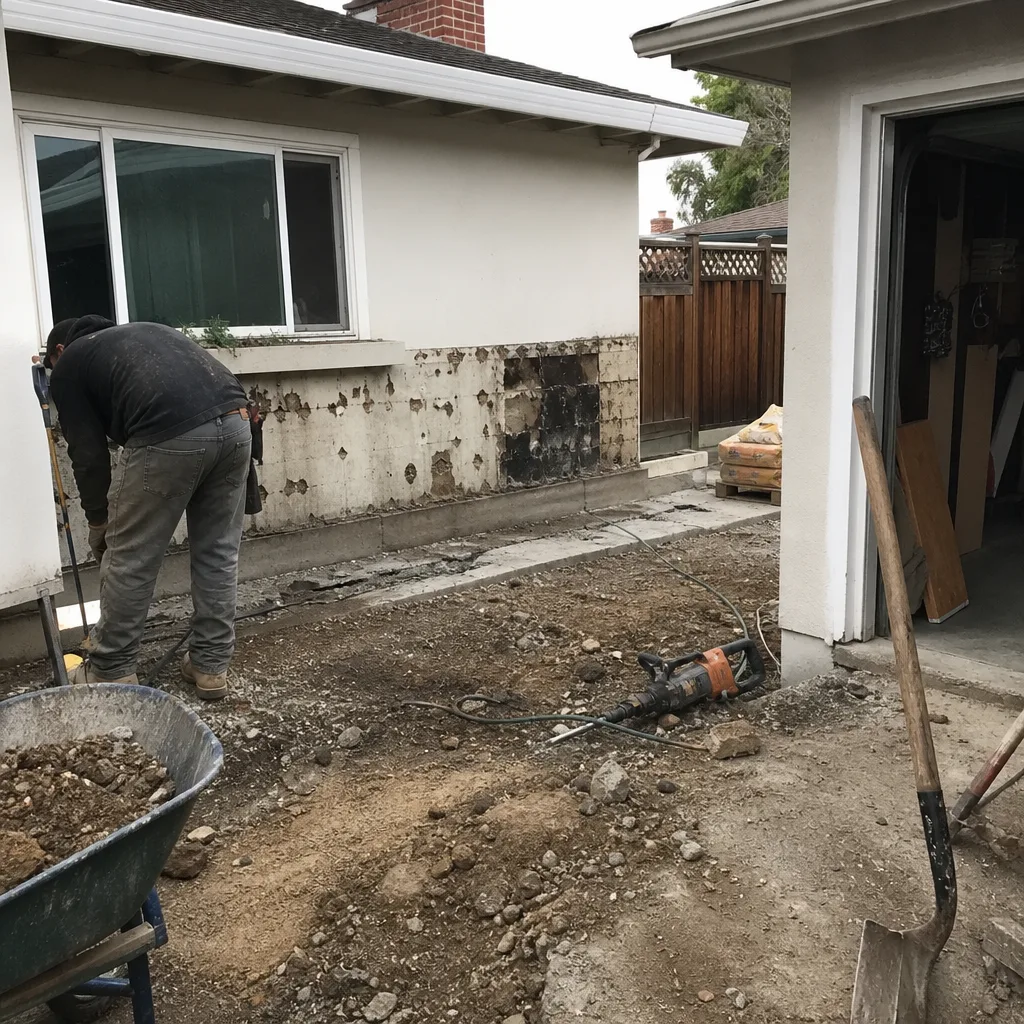 Before
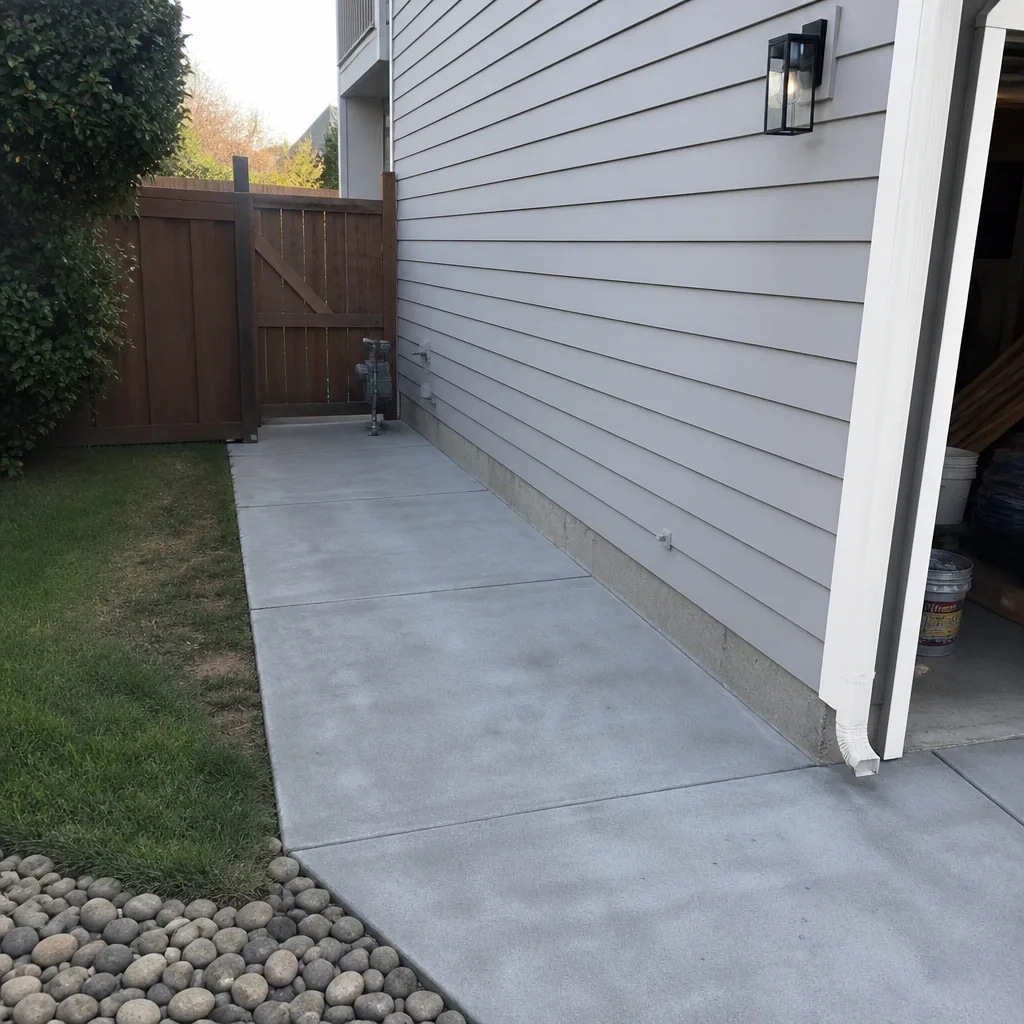 After
 Before
 After
 Before
 After