

 Kitchen remodeling
 Bathroom remodeling
 Home additions & ADU
 Roofing
 Windows & doors
 Driveway & pavers
 Fence
Free written scope consultation - allowances, timeline, and change-order rules on paper before a single trade is scheduled
Unilock Construction in Stanford, CA | Ashford Contractors
If you’re searching for Unilock construction service in Stanford, we install, repair, and replace Unilock paver systems across the 94305 ZIP code, including work that has to clear Stanford’s architectural review process. We’re an independent contractor, not a manufacturer-authorized dealer, which means we spec Unilock pavers on their merits: how they drain, how they handle clay soil, and whether the color will survive campus review. One contractor handles the whole project from base to finish. Call Ashford Contractors at (877) 752-3868 for a free Unilock estimate in Stanford.
Why Stanford Residents Choose Us for Unilock Service
Unilock work in Stanford isn’t like Unilock work in a typical Bay Area suburb. You’re dealing with a layered approval process: Santa Clara County building codes, Stanford’s architectural review board, and sometimes the Stanford Historic Resources Survey. Our crews have laid Unilock pavers through every layer of that maze, so we read grade, drainage, and finish specs the way the review board does.
Glen Mossier grew up in Foster City’s Marlin Cove neighborhood and trained in construction technology at Skyline College in San Bruno, where materials science and mechanical systems were core parts of the program. That background shaped how we approach hardscape: we look at sub-base and slope before we ever talk about paver color. Build it right the first time, and you won’t be rebuilding it in ten years. For Stanford homeowners, that equation matters more than most places, because a failed paver patio here can trigger months of re-approval, not just a weekend repair.
Styles & brands we work with
Common Unilock Construction Problems We Solve in Stanford
- Efflorescence and salt staining on Brussels Block: Stanford’s wet winters and occasional atmospheric-river storms push moisture through pavers, and in low-lying areas like the Arboretum perimeter, salt and minerals bloom to the surface as white haze. We trace the water path, fix the drainage, and clean or replace the affected pavers.
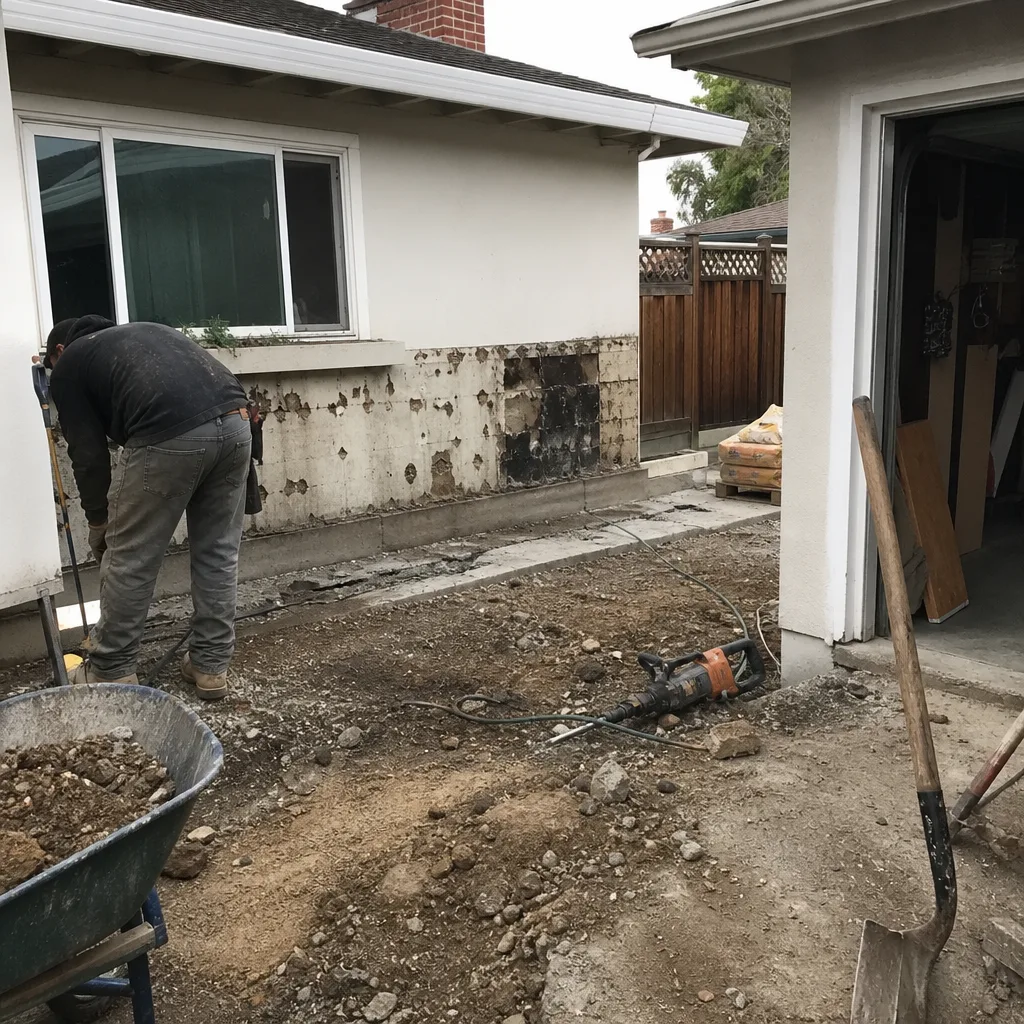
- Base failure and rutting over native clay: Many older faculty homes in unincorporated pockets sit on clay that expands and contracts with the wet-dry cycle. When pavers were originally bedded without a compacted aggregate sub-base, you get ruts and sinkage within a few seasons. We pull the field and rebuild the base properly.
- Joint-sand washout and edge-restraint displacement: Winter rain cycles in Stanford erode polymeric sand if the wrong product was used or if edges weren’t pinned correctly. Pavers shift, gaps open, and the whole surface starts walking. We reset edges and re-spec joint sand that holds through the storm season.
- Paver settlement against historic mid-century hardscape edges: Unilock patios that meet character-defining walls or walkways on older Stanford properties can develop lippage, which campus reviewers treat as a preservation issue, not just a cosmetic one. We fix the grade so the transition stays flush.
- Permeable paver clogging and drainage failure: Onyx permeable systems in Stanford sometimes fail because the base aggregate wasn’t matched to the site’s runoff, or because debris from nearby oaks and campus landscaping clogged the joint material. We rebuild the base and restore proper infiltration.
Unilock Service in Stanford: What Local Conditions Mean for Your Equipment
Here’s the thing most generic Unilock pages never address: any hardscape visible from campus facilities or historic mid-century modern structures in Stanford can trigger a Stanford Historic Resources Survey review. The architectural review board scrutinizes paver color and texture as part of the building’s character, so material selection has to survive approval, not just weather. That means a Beacon Hill flagstone-textured paver might pass where a high-contrast Town Hall slab won’t, depending on the building. We’ve walked enough Stanford projects through this process to know which Unilock lines clear review and which ones stall. Our approach for Stanford projects is to spec Unilock’s own edge restraints, polymeric joint sand, and permeable base aggregate from the start, because the wet-dry cycle here punishes shortcuts. A faculty home near the Arboretum perimeter had a Brussels Block patio where years of winter flooding had pumped water through a thin base, leaving lippage and efflorescence our crew traced to no compacted sub-base. We pulled the field, rebuilt the base with permeable aggregate and correct slope away from the low corner, set Unilock edge restraints, and reinstalled the pavers with polymeric joint sand. The patio now drains through the storm season instead of pooling. That’s the difference between a paver job that clears Stanford review and one that looks good for one summer.
Unilock Models & Products We Service in Stanford
We work with the full Unilock residential range you’re likely to find on Stanford properties: Brussels Block for tumbled, dimensional driveways and walkways; Beacon Hill for flagstone-textured patios that read more natural; Town Hall for larger-format slab applications around modern structures; and the Onyx permeable paver system for stormwater compliance on new builds. Our parts approach is straightforward: we spec Unilock’s own edge restraints, polymeric joint sand, and permeable base aggregate rather than generic substitutes, because the failure modes in Stanford’s wet-dry climate come back to those three components. We’ll reuse a sound paver field only if the sub-base and slope test out. If they don’t, we recommend full replacement rather than a cosmetic reset. That keeps you from paying twice for the same patio.
For broader Unilock sales and service context, see Unilock sales & service. If you’re looking for our coverage area, visit the Stanford service area page.
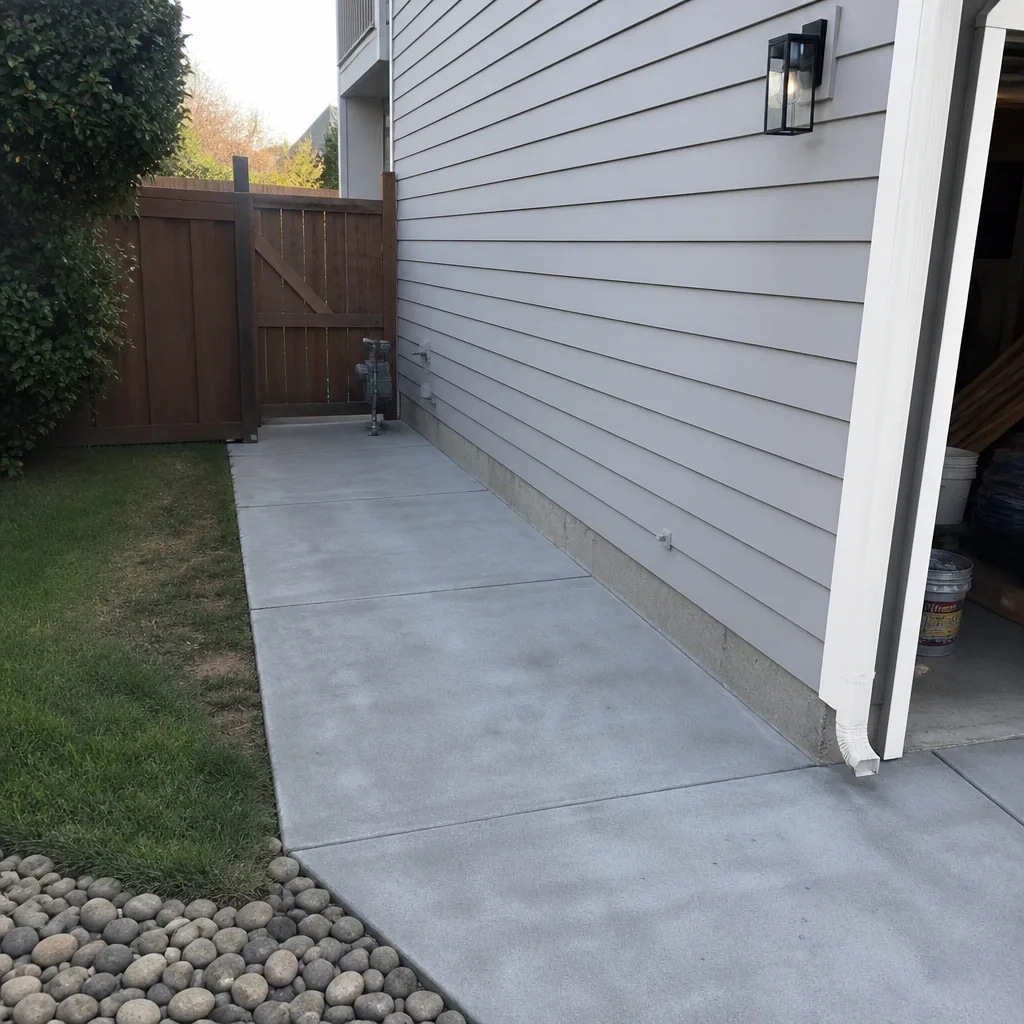
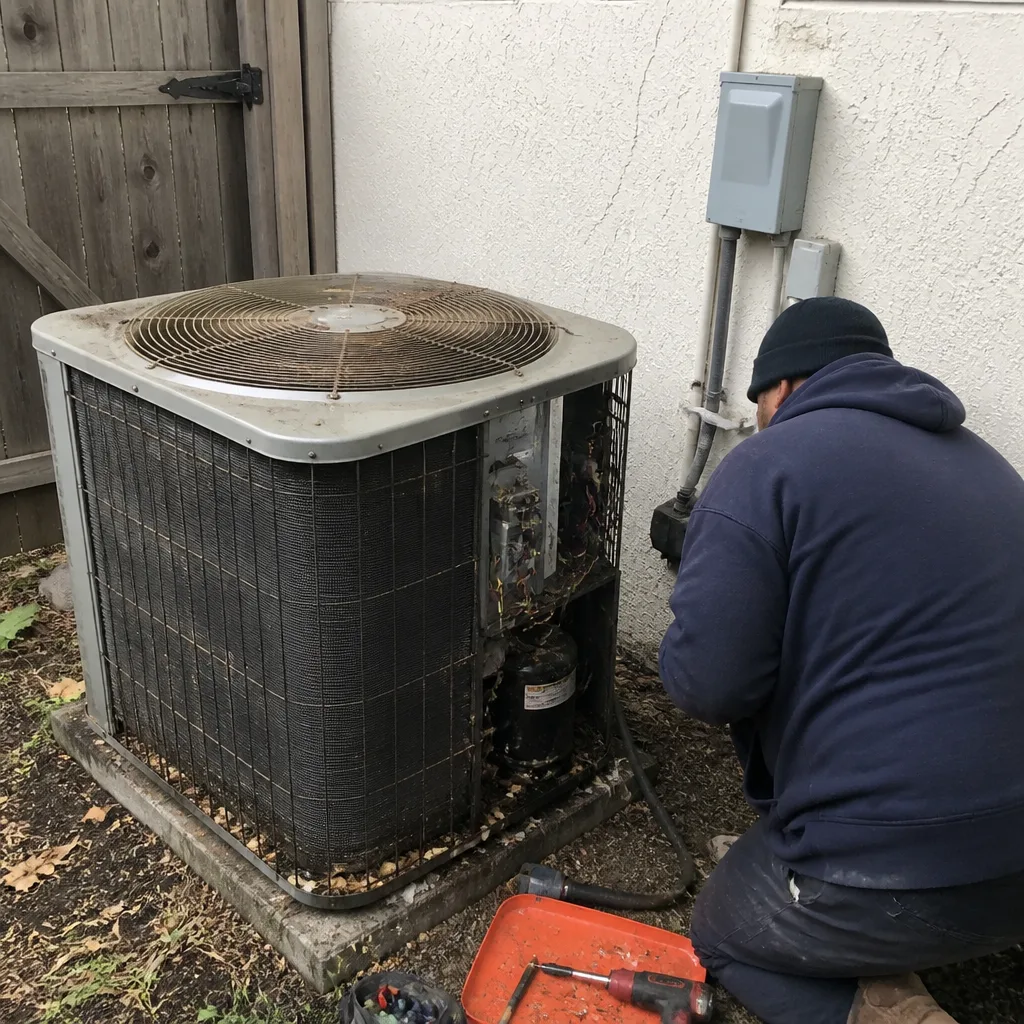
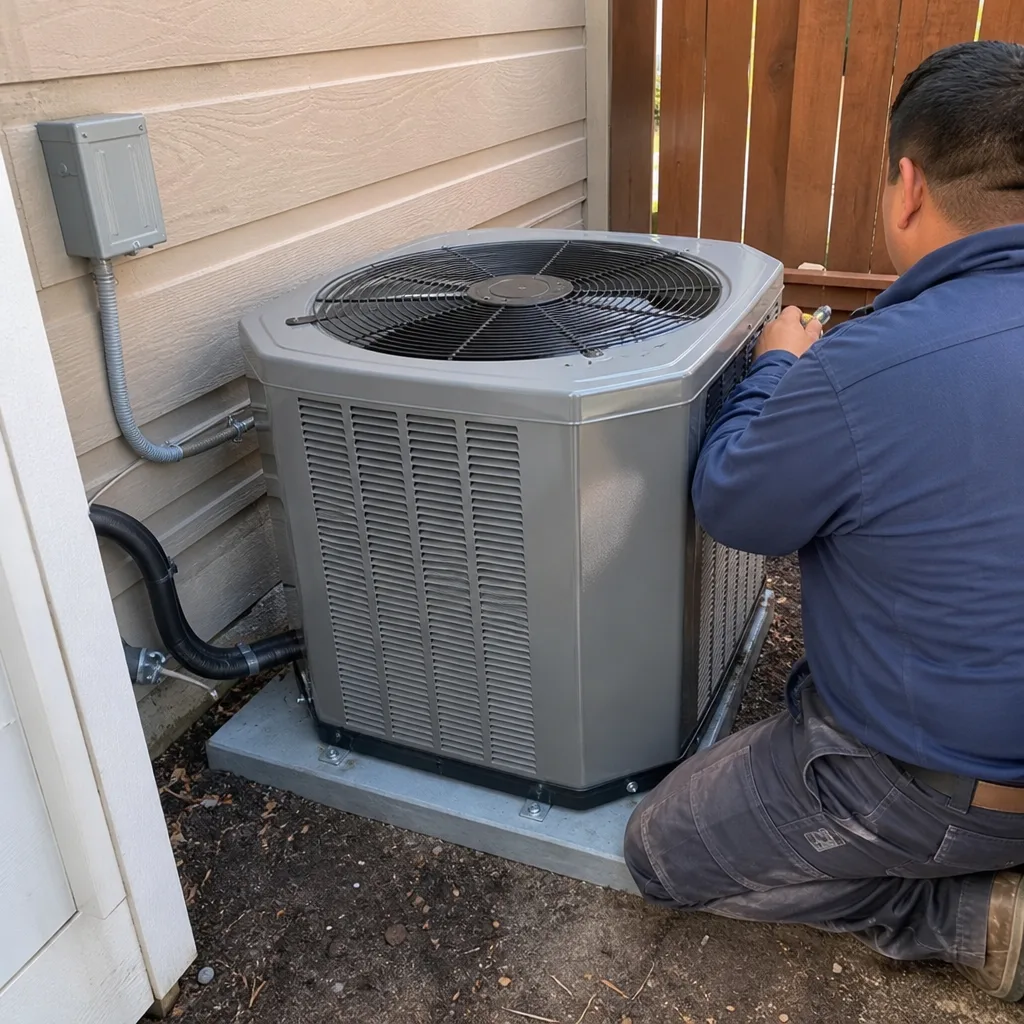
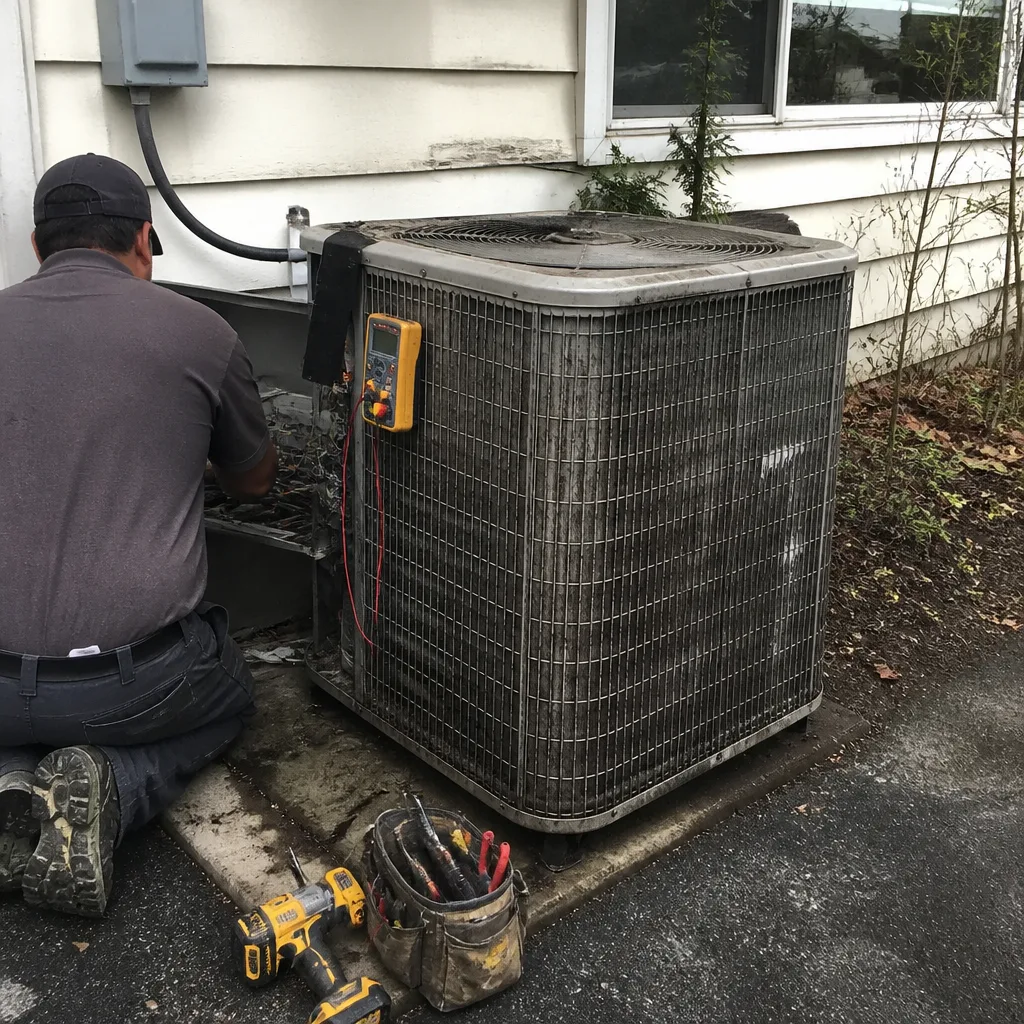
See the difference
 Before
 After
 Before
 After
 Before
 After
Unilock Service Pricing in Stanford
| Service | Price Range |
|---|---|
| Paver Patio Installation | $3,500 – $11,000 |
| Paver Driveway Installation | $7,000 – $18,000 |
| Driveway Replacement | $5,000 – $14,000 |
| Driveway Sealing | $250 – $700 |
The biggest cost drivers in Stanford are base preparation and drainage. If we’re pulling out a failed clay-bedded base and rebuilding it with compacted aggregate, the labor is more than a cosmetic reset, but it’s the only approach that survives campus review and Bay Area weather. A free estimate includes a site walk, slope check, and a written line-item quote. Call (877) 752-3868 to schedule yours, and we’ll give you exact numbers for your project.
Serving Stanford, CA — Our Local Coverage Area
We’re based in the Stanford area and also provide Palo Alto Unilock service, so we know this community well. Use the map below to see our service coverage — if you’re nearby, we can almost certainly help.
FAQs – Unilock Construction in Stanford
Will Unilock paver color or texture on our patio need campus architectural review approval in Stanford?
Yes, in many cases. If your hardscape is visible from campus facilities or from a historic mid-century modern structure, the Stanford architectural review board can treat paver color and texture as part of the building’s character, which means your material selection has to clear review before installation. We spec Unilock lines with this in mind and can help you choose a paver that’s likely to pass.
Why do our Unilock pavers keep showing white haze after Stanford’s wet winters?
That white haze is efflorescence, and it’s caused by water moving through the paver and carrying minerals to the surface. In Stanford, atmospheric-river storms and low-lying areas like the Arboretum perimeter make this worse because water sits in the base longer. The fix is drainage and base work, not just surface cleaning. Call (877) 752-3868 and we’ll identify the water path before recommending any repair.
Can a Unilock paver driveway handle the clay soil in Stanford’s unincorporated pockets?
It can, but only if the base is built for it. Native clay expands and contracts with moisture, so a paver driveway needs a compacted aggregate sub-base and proper slope to avoid rutting and settlement. We rebuild bases to spec rather than resetting pavers on top of a failing foundation.
How does late-summer fire danger affect Unilock paver installation schedules in Stanford?
Stanford’s late-summer and fall fire danger can bring work restrictions and equipment-use limitations on certain days, especially near campus landscaping. We schedule paver installation and demolition work around those windows and keep dust and heat-producing tools controlled when conditions are dry. It adds some scheduling flexibility needs, but we plan for it.
Do you repair Unilock permeable paver systems or replace them?
We repair when the paver field is sound and the base tests out, and we replace when the sub-base has failed or the slope is wrong. For Onyx permeable systems in Stanford, that decision comes down to drainage performance: if water isn’t infiltrating, the base needs to come out, not just the top layer. Call (877) 752-3868 for an assessment.
Service Areas Near Stanford
We serve Stanford and the surrounding communities, including Foster City, Redwood Shores, Belmont, San Mateo, and San Carlos. If you’re across the border and need Unilock work, see Unilock service in Brisbane for projects north of the city, or Unilock service in El Granada for coastal work.
Book Your Unilock Service in Stanford Today
If you have a Unilock paver project in Stanford, call Ashford Contractors at (877) 752-3868. We’ll walk the site, check your base and drainage, and give you a written quote that covers the work start to finish. Free estimates, no change orders once we agree on scope.
Written by Glen Mossier, Owner at Ashford Contractors, serving Stanford and the greater San Mateo County area.